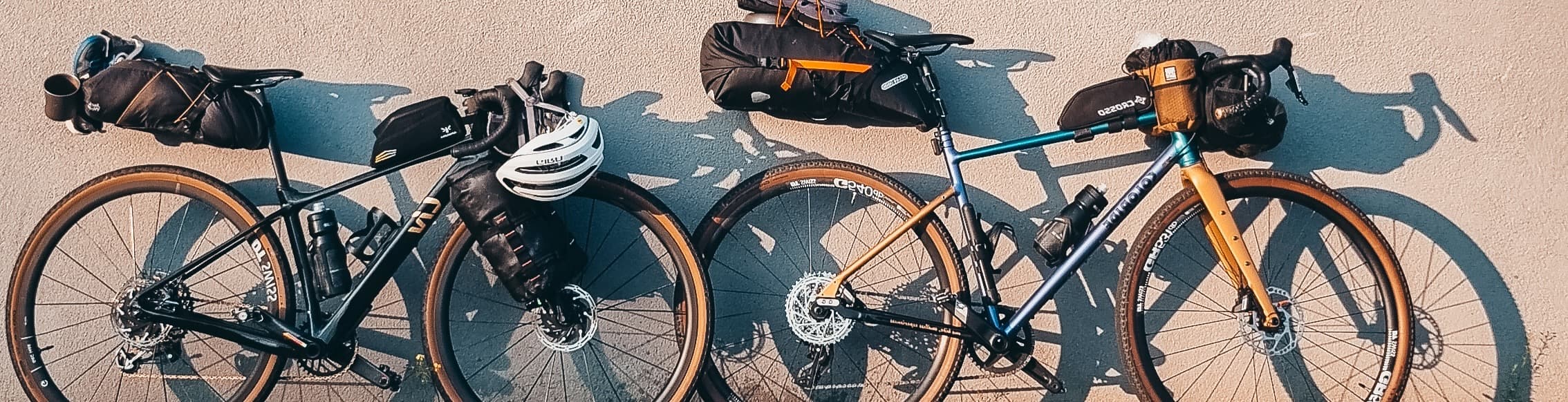

It is perverse but accurate to say that bikepacking is a state of mind.
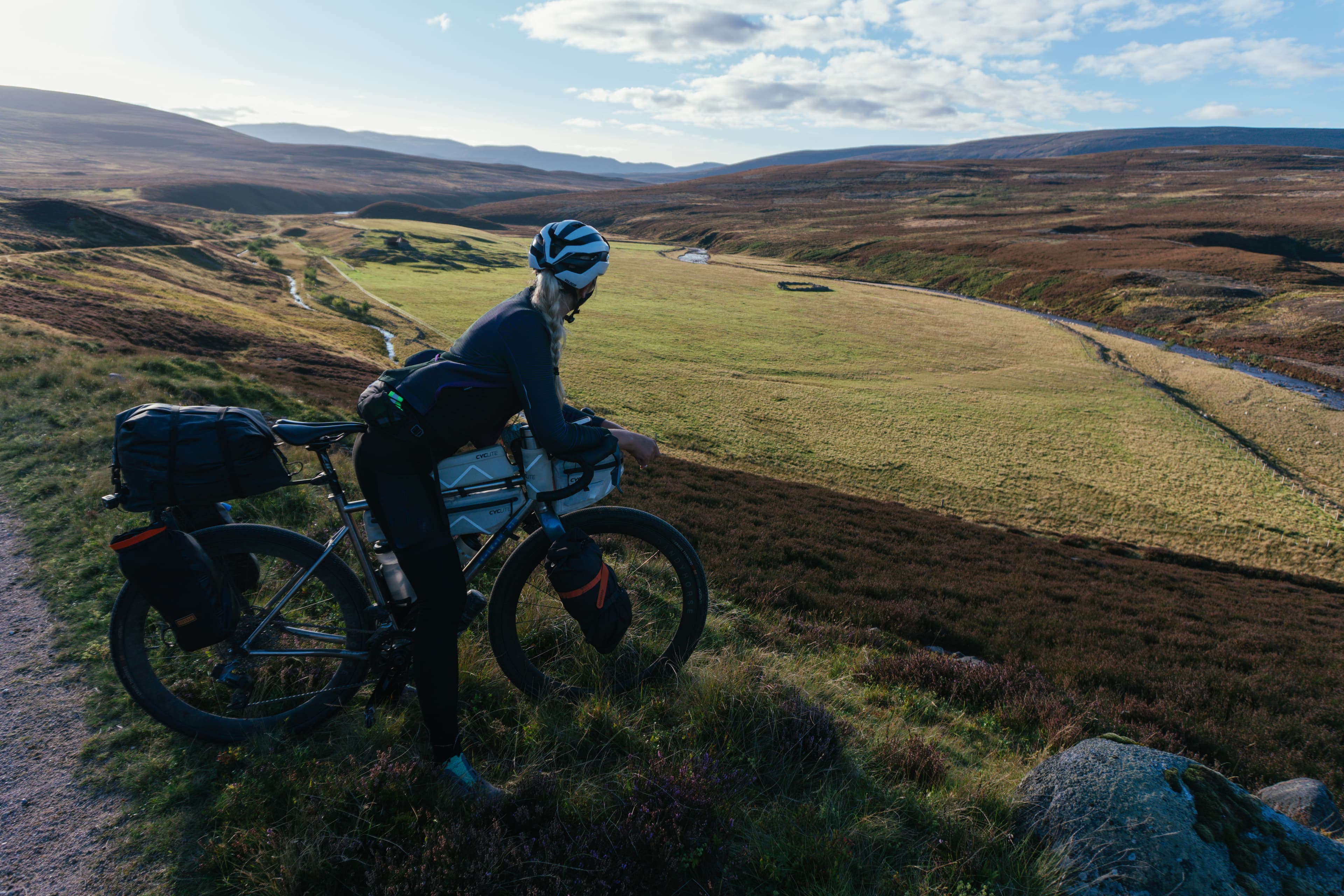
A lot depends on your individually adopted philosophy of happiness, travel, effort and rest. To start your bikepacking adventure, you need a functional and comfortable bike, a helmet and ingenuity. As we mentioned in , bikepacking does not require a special bike, because the best one is the one you have and works well in the area you frequent. There is no single, correct packing method. For your first trip or expedition, you can take bags that you attach with strings or expanders to the frame, handlebar or trunk. It is possible that you will have friendly people around you who will simply lend you bags adapted to this form of travel for testing. Remember, the hallmark of good bikepacking is comfort and practicality, which will be especially important on longer trips, forcing you to look for the most optimal solutions.
Note: trip/trip/expedition - these are types of bicycle trips that differ only in the distance covered. The common denominator of every trip is the possibility of packing in the bikepacking style ????
Good equipment equals the right bike
Although you can start your adventure on almost any bike you own, pay attention to your motivations and expectations related to bikepacking. Here are some tips about the purpose and capabilities of bicycles:
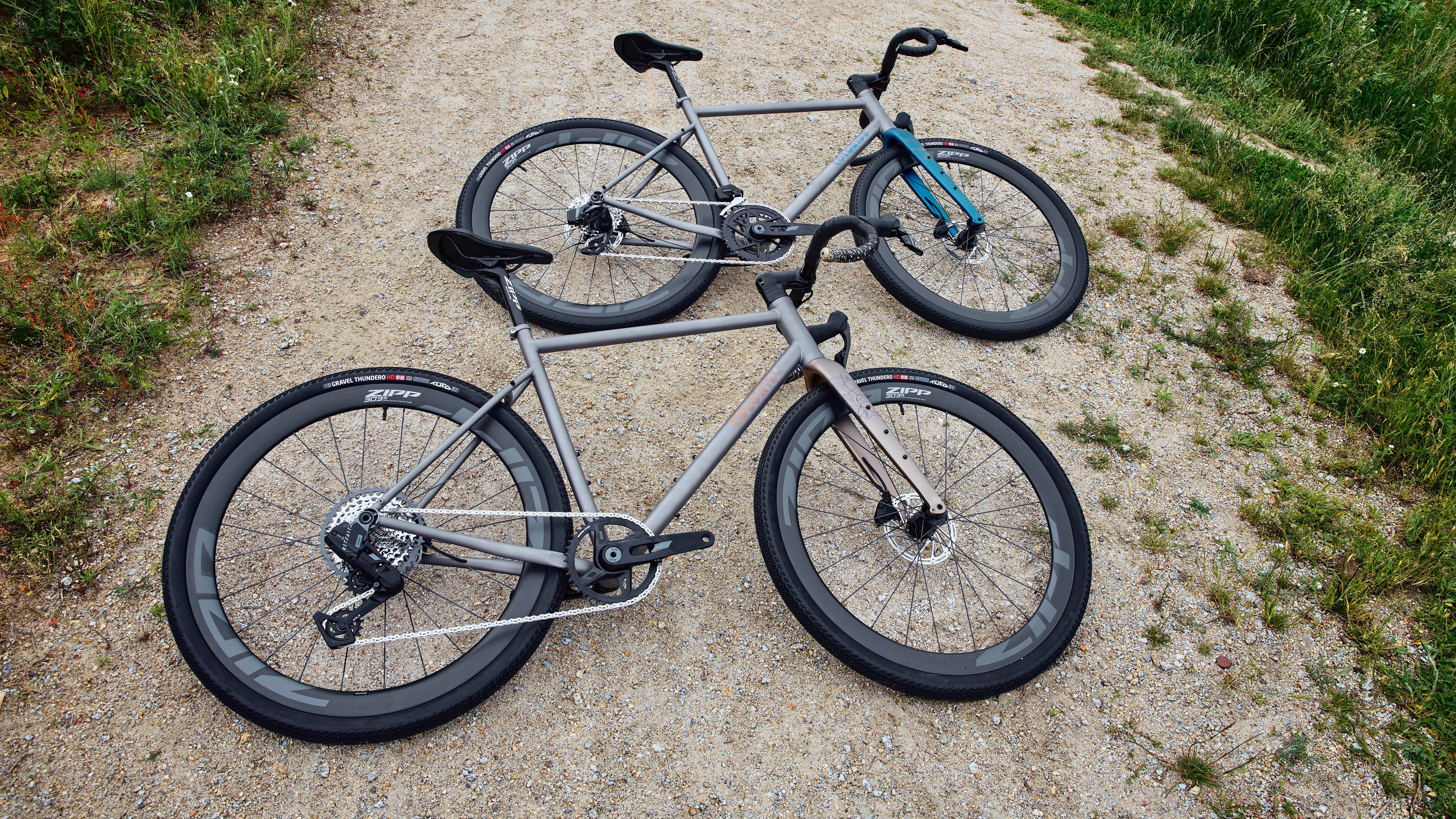
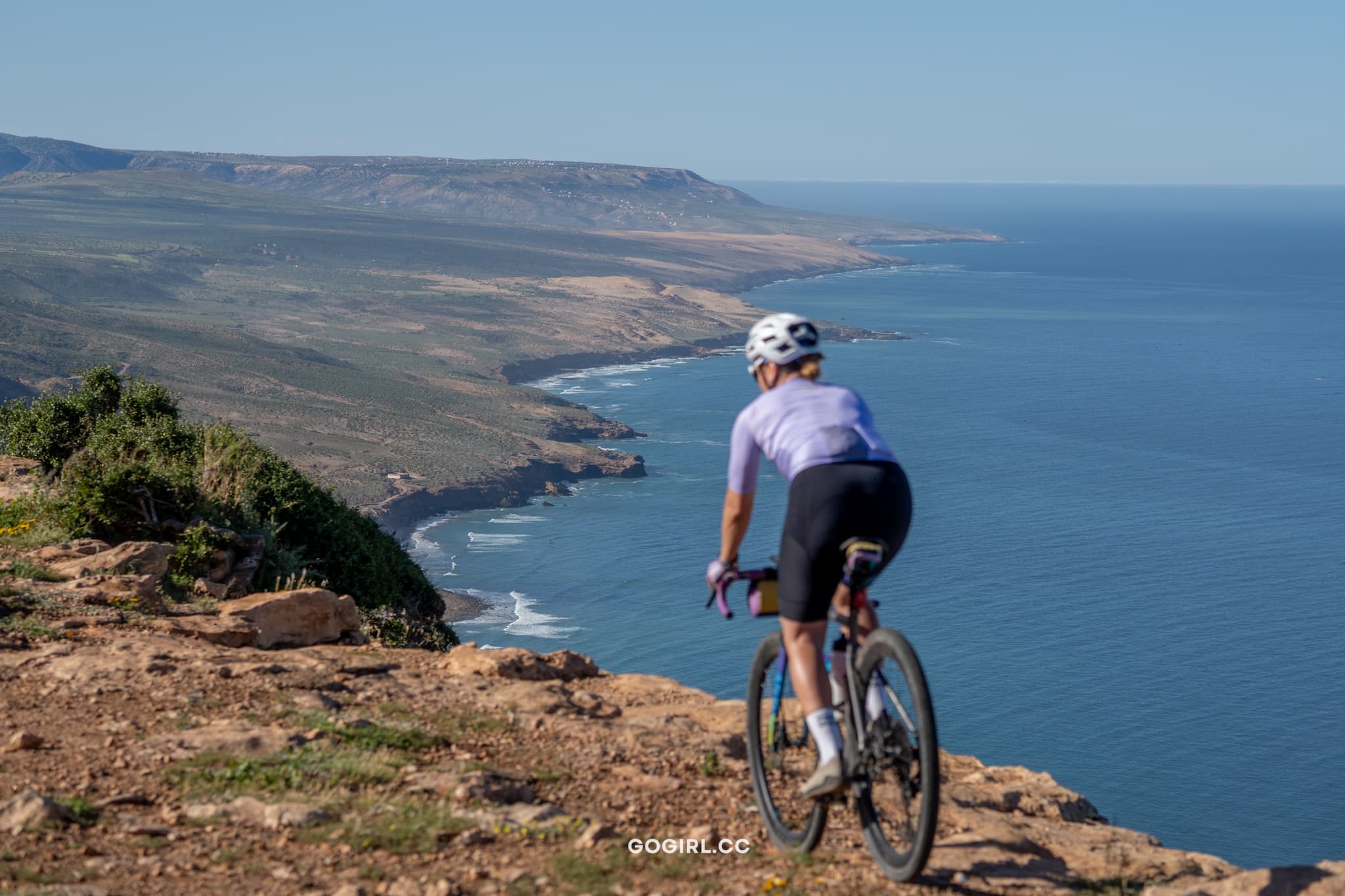
Expectations: versatile explorationSuitable bike type: gravel
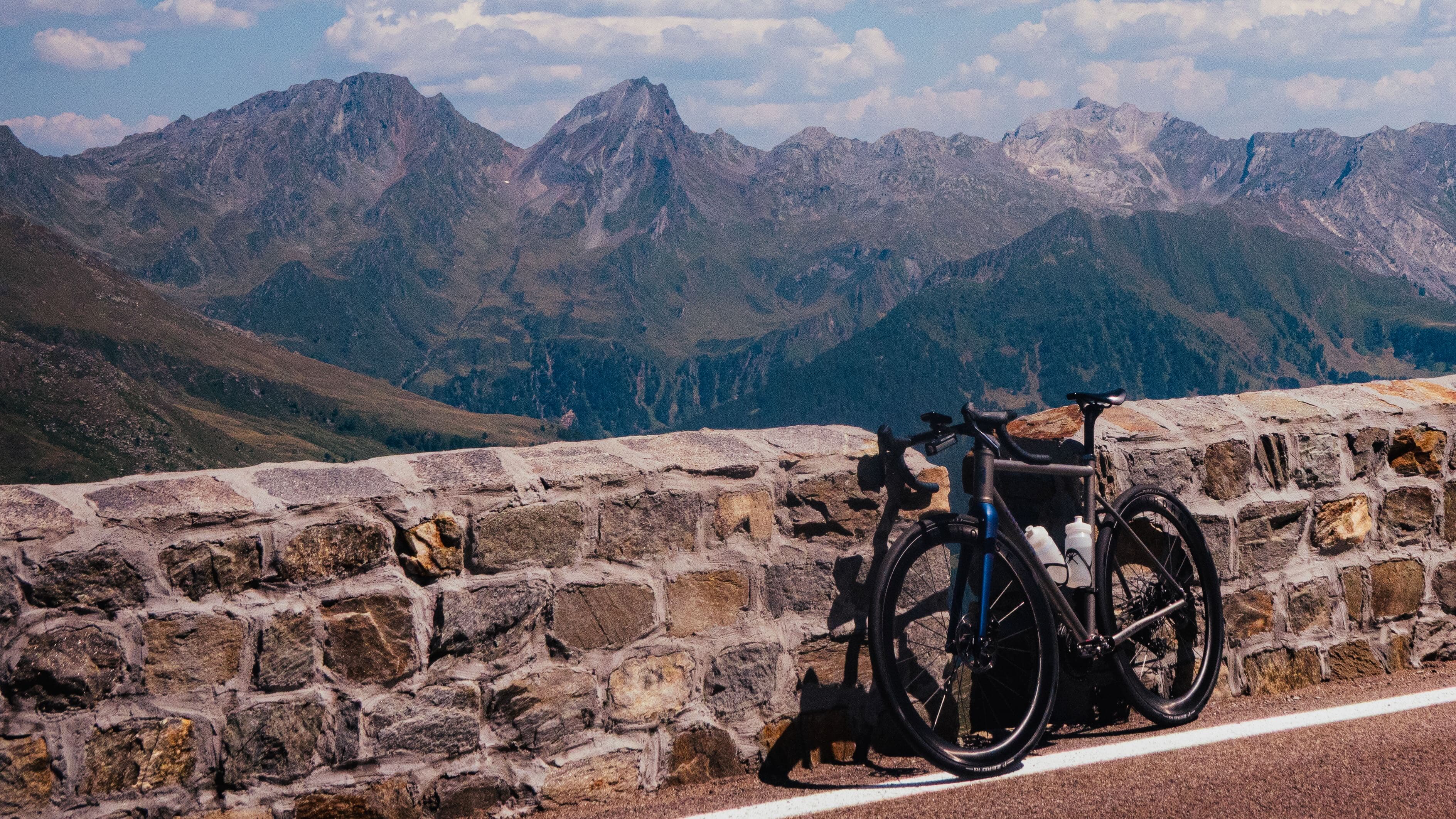
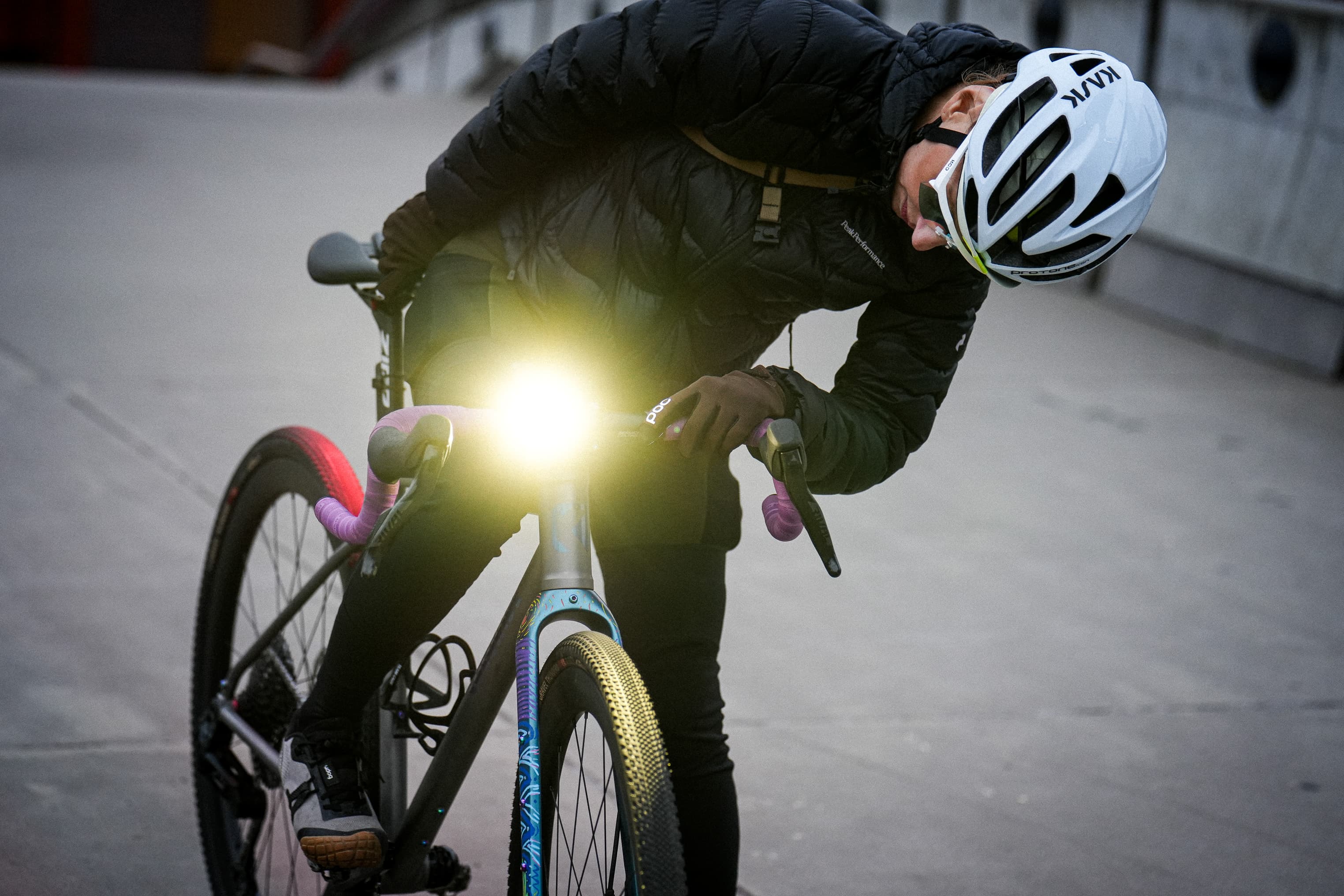
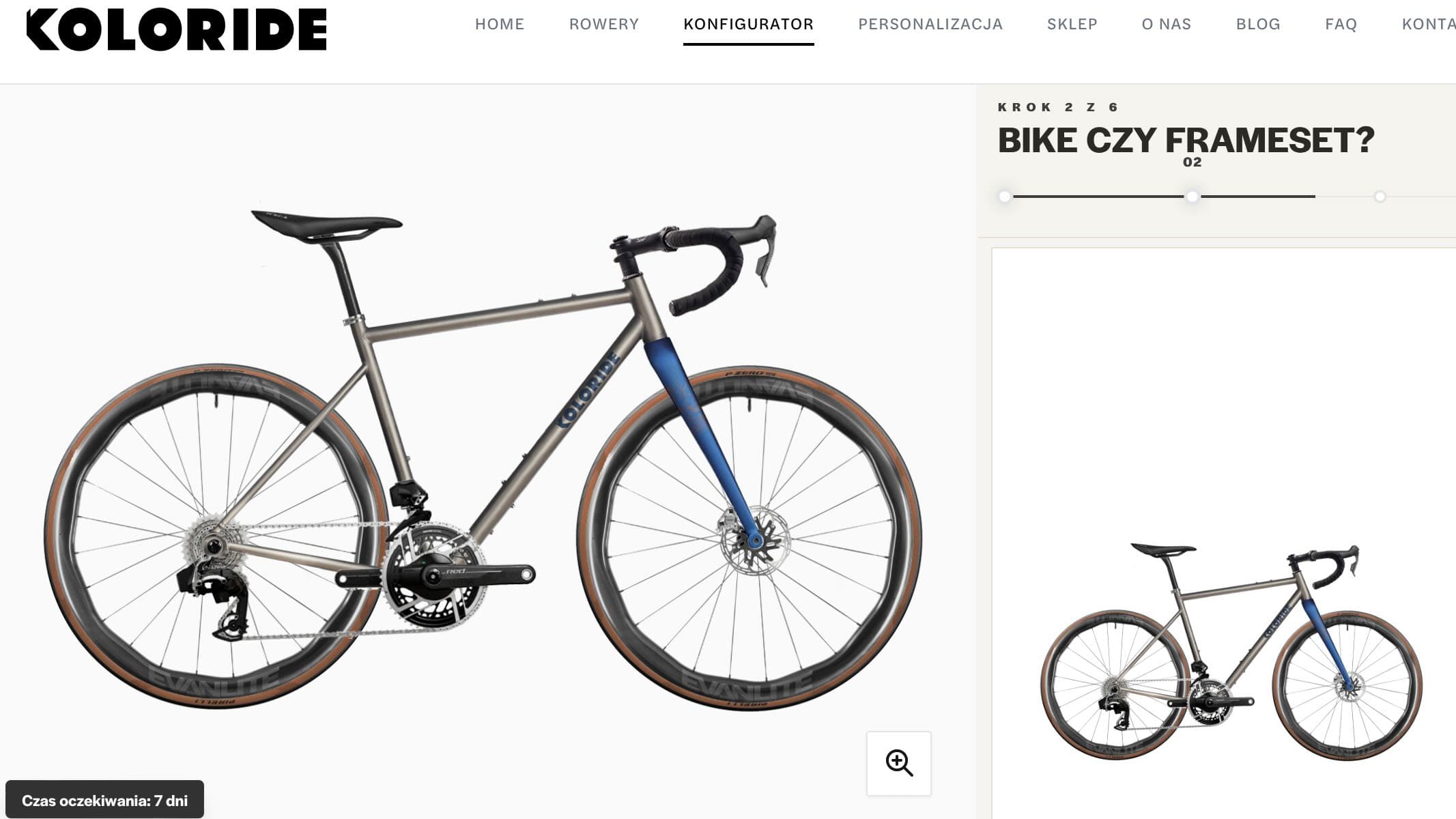
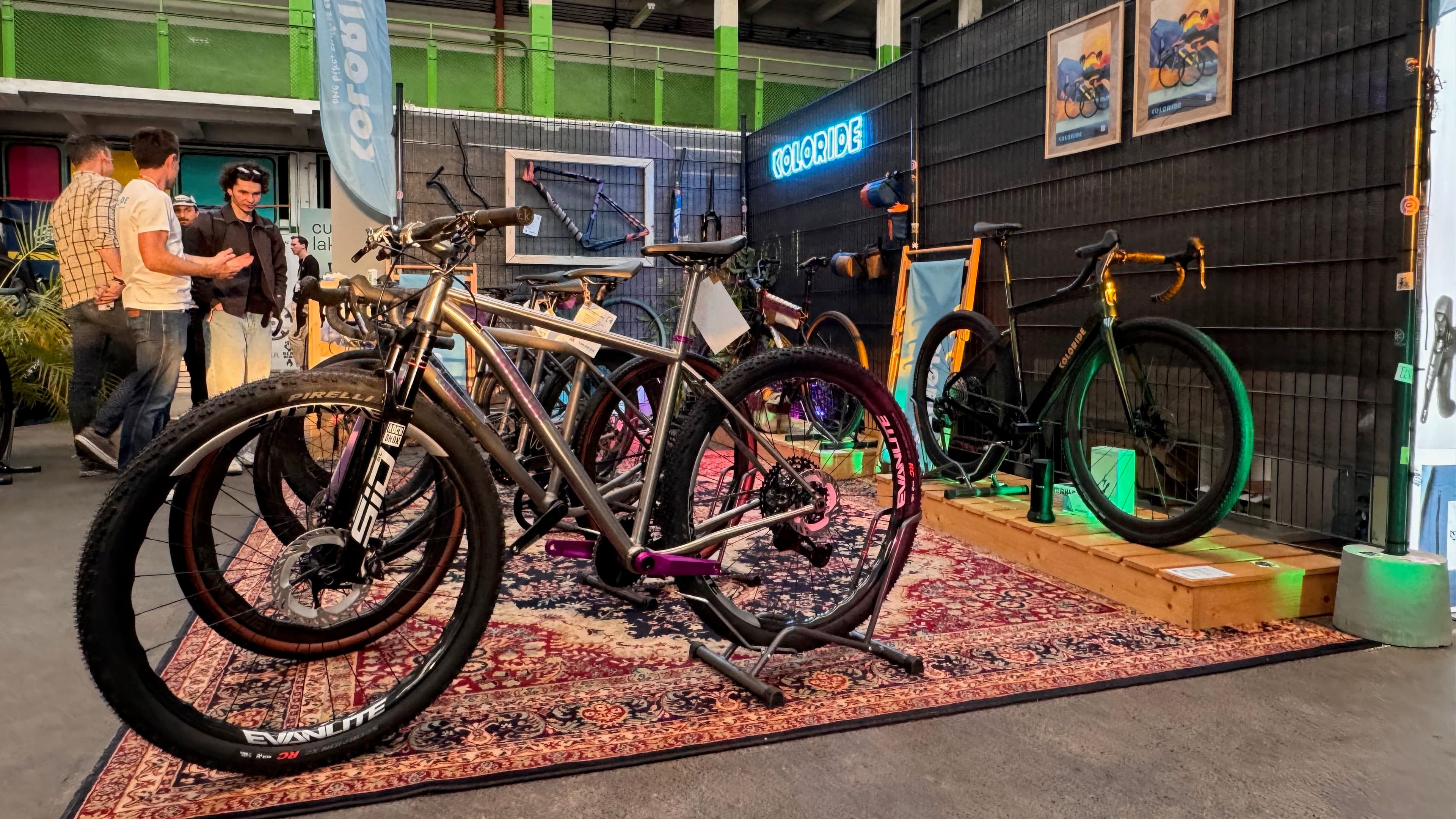
A gravel bike is ideal for riding on moderately demanding routes, mostly asphalt or gravel. It handles well on forest paths and dirt roads, and on some models you can even take on the challenge of singletrack. Suitable for both long-distance expeditions and ultra races in the self-sufficiency formula. It allows for effective driving on various surfaces, offering a compromise between speed on asphalt and comfort and grip off-road. Available in a version with a rigid fork or shock absorber (this is a rare but great solution, so check out our Koloride!). Additionally, the drop-bar handlebar provides multiple grip positions, which increases comfort during long trips. Numerous mounting points make it easy to attach luggage literally anywhere!
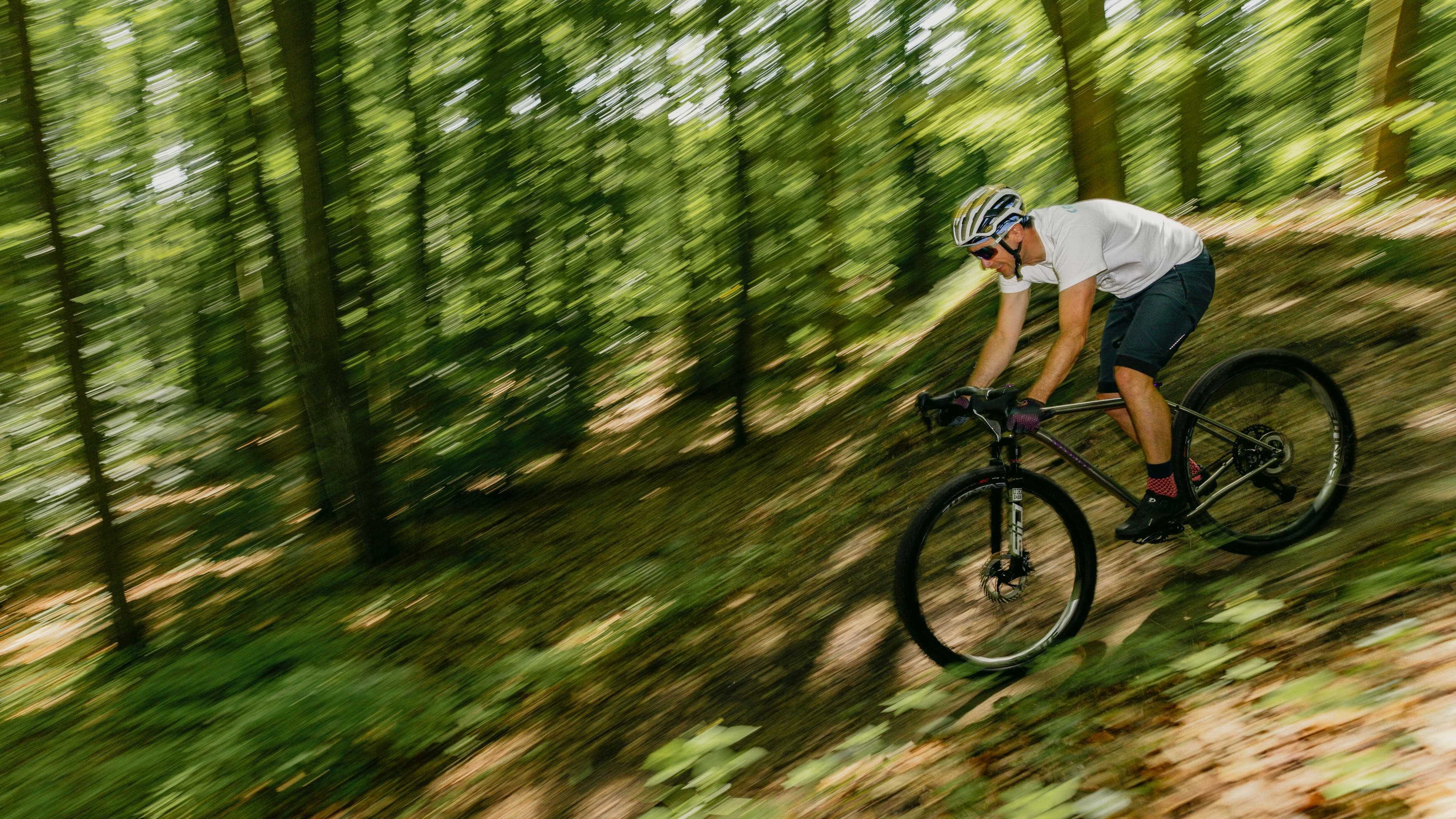
Expectations:exploration of off-road and demanding trailsCompatible bike type:MTB (Mountain Bike)
A mountain bike is the best choice for shorter rides over difficult terrain such as steep mountain paths, dense forest, sandy coasts and very poor roads. Safety and comfort will be ensured by durable construction, shock absorption (full and hardtail) and wide treaded tires. Many modern mountain bikes have attachments for cargo baskets on the frame and fork, making it easier to install bikepacking bags.
Expectations:comfortable tourist tripsSuitable bike type:trekking
A trekking bike is a universal type that, thanks to its gentle geometry (shifting the center of gravity forward, longer wheelbase), will work well as an everyday means of transport and over long distances. Intended mainly for cycling on diverse and less extreme terrain, on paved roads and well-maintained dirt roads. Heavier, stiffer, factory-equipped with expedition accessories such as a rack and mudguards, without mounting inserts on the frame, it is intended mainly for trekking trips with panniers.
Expectations: light trips Suitable bike type: road bike
A road bike is primarily suitable for riding on paved and asphalt roads. Its use in bikepacking is limited to routes with good surfaces, mainly due to narrow tires and lack of attachments for luggage. The low weight of a road bike may be preferred by people who value speed and minimal load.


Start your bikepacking adventure with a comfortable and efficient bike that will suit your preferences and dream routes.
However, thanks to its versatility and the possibility of compact loading, the most convenient solution in most cases will be gravel. Check out what interesting things you can find in our offer:
Handlebar bag (above the wheel)
– attached to the steering wheel using belts or special handles. It is a good place for lighter and bulkier items, such as a sleeping bag, camping sheet, mattress, hammock or clothes that you use less often. It can also be used to store valuable items that you prefer to have easy access to (documents, wallet or phone).
Handlebar bag (stem)
– attached to the handlebar and stem with straps, a good place for additional water bottles or treats.
Frame bag
– mounted in the center of the main frame triangle, on the top tube and/or under it. Considered the best place to transport heavier equipment due to the improved stability of the bike. Suitable for transporting a camping stove, provisions, first aid kit, spare bicycle clothing or tools.
Saddle bag
– mounted under the saddle and on the seatpost using straps or special handles. It can have a very large capacity (up to 20 liters), which allows it to replace traditional panniers. Perfect for transporting light and bulky items such as a sleeping bag, hammock, tent or a change of clothes. Smaller models can be used as a tool bag. It is important that the bag has a mesh, elastic band or straps, which allows you to carry additional equipment or dry clothes. The bag requires wise packing to avoid the "rocking belly" effect, which springs up on bumps and impairs the bike's steering.
Fork bag
– attached to the front fork, often as a complement to other bikepacking equipment. It allows you to use unused space and gain additional space for luggage. Importantly, it lowers the bicycle's center of gravity, improving its controllability and stability. It can be used to transport smaller but necessary items or as an additional place for water.
Top tube bag (fin) –
mounted on the upper frame tube behind the handlebar. Provides easy access to frequently used items while riding, such as phone, power bank, snacks, wallet, bike lock.
Side fork bags
– attached to special holders (so-called "feeders") on the fork. They allow you to transport additional water bottles or lighter items in special bags attached to the handles. They complement the main set of bags.
When choosing bikepacking bags, it is worth paying attention to solid fastenings, durable and waterproof materials and capacity adapted to the planned equipment. Depending on the length and nature of the planned route, you can use interchangeable combinations of bags and their location on the bike.


It takes two to tango
You already have a bike, but what about you? Bikepacking is for everyone, but it is important to measure your strength. Each distance, luggage weight and weather conditions require different physical condition. If your previous activity has been limited to short rides, even a weekend trip may be more of a challenge. Here are the most important aspects of preparation for bikepacking:
Assess your physical condition.
Before planning a weekend trip or long-distance expedition, realistically assess your capabilities and physical condition. Take into account your average driving speed, need for rest breaks and potential difficulties along the route.
Turn your bike regularly.
The best way to prepare for your fitness is to start riding regularly before your planned trip. It is worth gradually increasing the distance and frequency of rides to get your body used to exercise and long-term sitting on the saddle.
Train in conditions similar to those of the planned expedition.
Riding on routes similar to those planned during bikepacking will help you assess whether you can cope with the challenge. If you know that there will be uphill sections on your route, include them in your training, and similarly if you expect certain weather conditions (e.g. heat, cold).
Gradually increase the load.
If you plan to ride with a full bikepacking load during your trip, it is worth doing a few training rides with a similar load to get your muscles used to the additional weight and check how the bike behaves with a load.
Prepare mentally
to potential difficulties such as fatigue, unfavorable weather conditions or equipment failures. Awareness of your own capabilities and a positive attitude are crucial.
Listen to your body.
Both during training and the expedition itself, it is important to listen to the signals coming from the body. Especially at the beginning, don't push yourself beyond your limits. In bikepacking, it is often enough to slow down and eat regularly and tasty food to continue riding. Set yourself emergency points and be aware that sometimes it is better to let go than expose yourself to more serious problems.


When you have read all this, remember - one weekend bikepacking trip will provide you with more knowledge than weeks of reading guides???? Each subsequent trip will allow you to draw new conclusions and modify the selection of accessories and packing system so that your head can focus on enjoying the pleasure of discovering the world.
Greetings, Hania “Fairy Tale Bike”