Gravel or MTB? If you ride in the woods, the answer depends primarily on what “forest trail” actually means to you. Wide gravel, forest trails, a bit of sand, roots, and paved connecting sections? A gravel bike will handle it very well. However, if you’re specifically looking for technical singletrack, large rocks, roots, steep descents, and off-road obstacles—an MTB will be the better choice.
A single difficult section shouldn’t determine your choice of bike. What matters more is what you ride on most of the time.


From MTB to gravel—a common scenario
Many of our customers began their cycling adventure with a mountain bike. In Poland, for years, this was one of the most obvious choices, especially if the bike was meant for more than just riding on paved roads. After a few seasons, however, it often turns out that the mountain bike’s capabilities aren’t being fully utilized. Most routes consist of asphalt, gravel, dirt roads, and forest trails. Roots or rocks appear from time to time, but they aren’t the main attraction. On such terrain, an MTB might simply be a bigger machine than we actually need.
These days, we rarely hear concerns that a gravel bike will be “too delicate.” More often, there’s… fear of the dropout. It’s a different geometry and a different riding position—usually shifted further forward than on an MTB—so it can be a barrier at first. Usually just temporarily. Anyone who gives it a try quickly gets into a good flow.
Where does gravel end and MTB begin?
It’s not defined by a single root or a few rocks on the trail. If you live in an area dominated by singletrack, large rocks, roots, steep descents, and naturally technical trails, I’d definitely choose an MTB.
Gravel bikes can handle plenty of rough terrain, and a few challenging sections shouldn’t be a reason to give them up. Their true element, however, is longer rides on mixed surfaces, not a constant battle with obstacles. So instead of asking, “Will a gravel bike handle the roots?”, it’s better to ask, “How many of those roots will be on my route, and is that exactly why I’m leaving the house to go biking?” That provides a much better framework for choosing between a gravel bike and an MTB.

Gravel – When Is It the Better Choice?
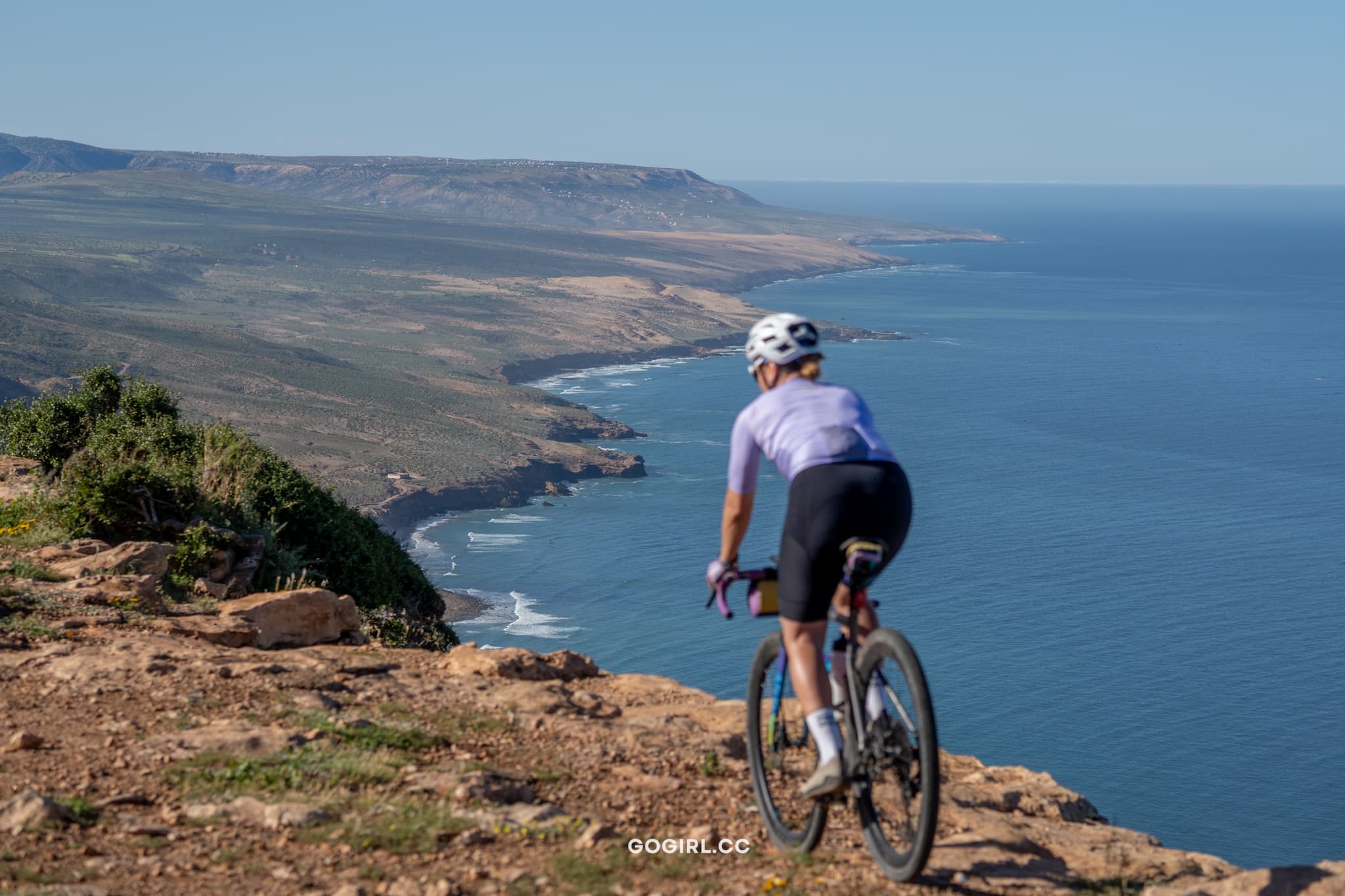
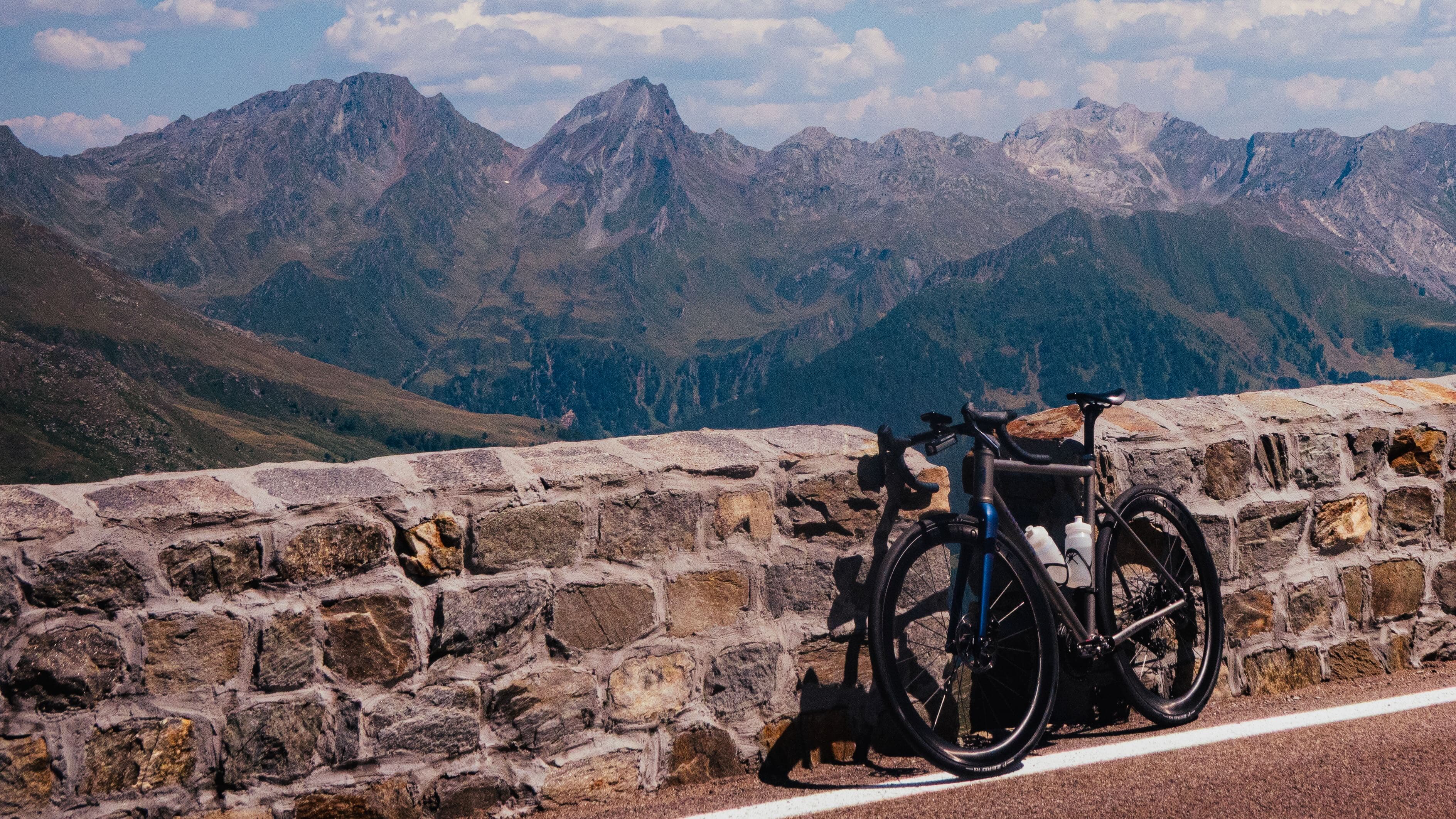
Gravel bikes have an advantage when the terrain changes frequently during a single ride: asphalt, gravel, forest trails, a bit of sand, a few bumpier sections, and then asphalt again. In this scenario, it allows you to cover long distances efficiently, and the drop bars offer several hand positions, which really start to make a difference after a few hours of riding.
A good example is our daily ride through Greater Poland. Around Puszczykowo and the Greater Poland National Park, the terrain is relatively flat but very diverse in terms of surface conditions. We have asphalt, very good gravel, plenty of loose sand—especially in the summer—and forest trails with roots. On routes like these, we have absolutely no need to reach for an MTB.
With a gravel bike, we can cover the entire route quickly and comfortably. If a bumpier section comes up along the way, the bike will handle it just fine. On the other hand, on fast gravel sections and asphalt connector roads, we’ll make the most of its capabilities. This is a good rule of thumb, by the way: don’t choose a bike based on the toughest 500 meters of the route. Look at the whole route.
When should you choose an MTB?
If what you enjoy most on a ride is tackling obstacles, choosing technical lines, riding down rocky descents, or riding on singletrack—I’d go with an MTB. Similarly, if you like jumps and other more technical riding elements.
A gravel bike can handle a more challenging section, but it wasn’t designed for such sections to make up the majority of the route. An MTB offers greater control and a wider margin for error in such terrain. We pay the price for this on fast gravel and paved approaches—the heavier weight, wide tires, and suspension make a mountain bike less efficient there.
If challenging terrain is the goal—go with an MTB. If it’s just one part of a longer route—I’d start with a gravel bike.

And what about the middle ground between gravel and MTB?
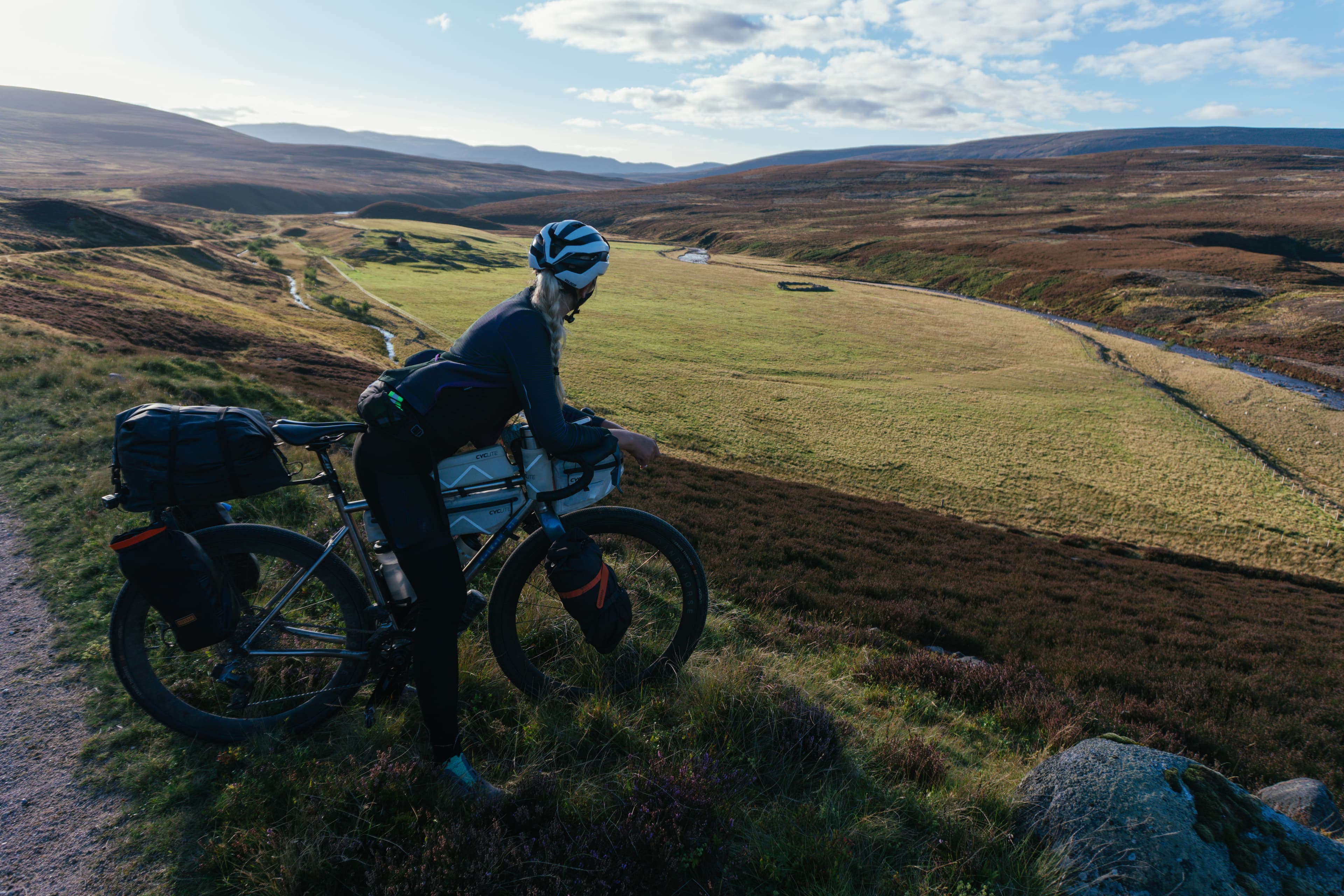
And here, the line between the two has become really interesting in recent years. Gravel bikes are adopting wider and wider tires, getting more off-road-oriented geometry, and sometimes even a suspension fork. So you can build a bike that still has the touring and long-distance character of a gravel bike but lets you venture much further off-road.
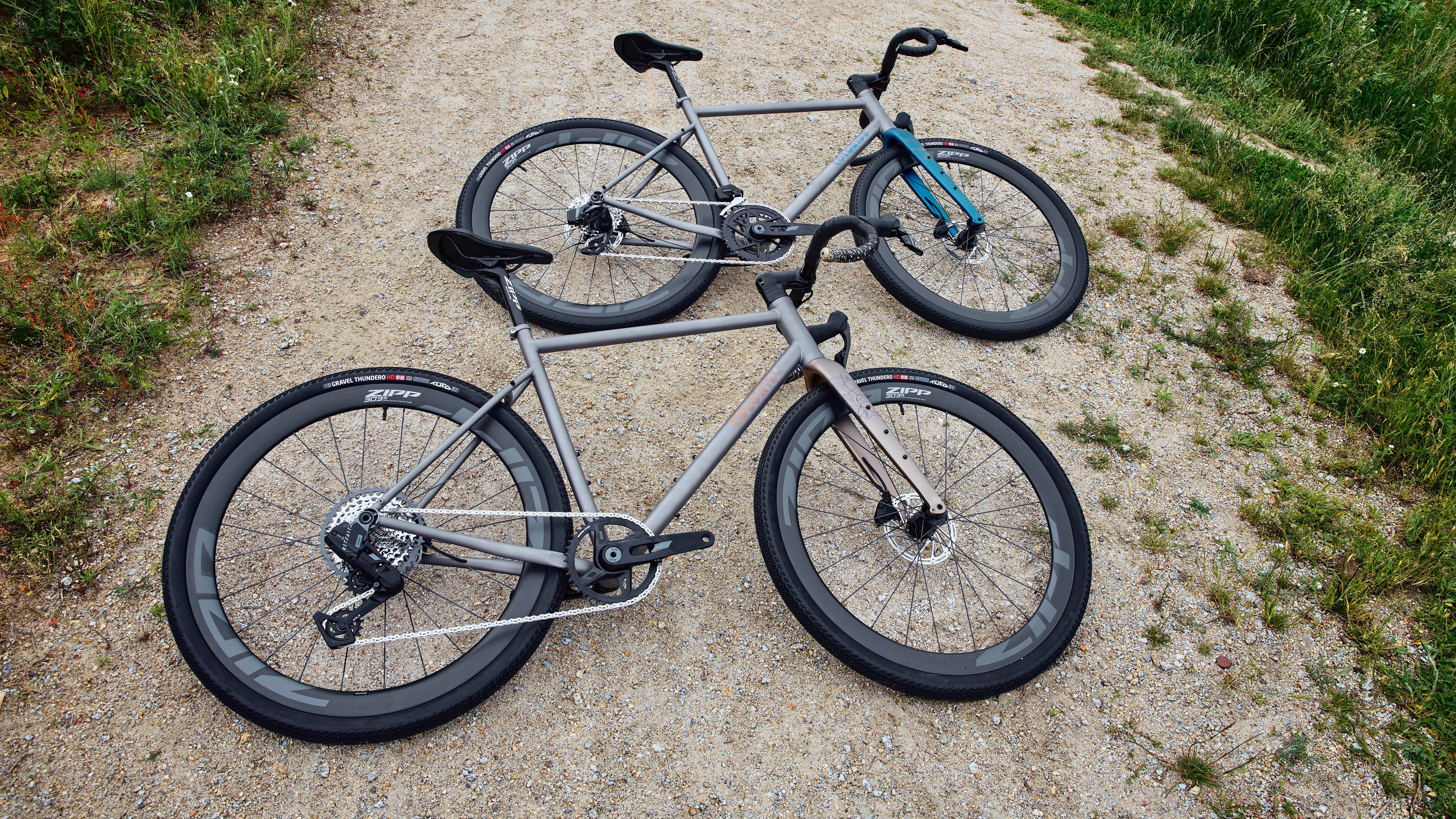
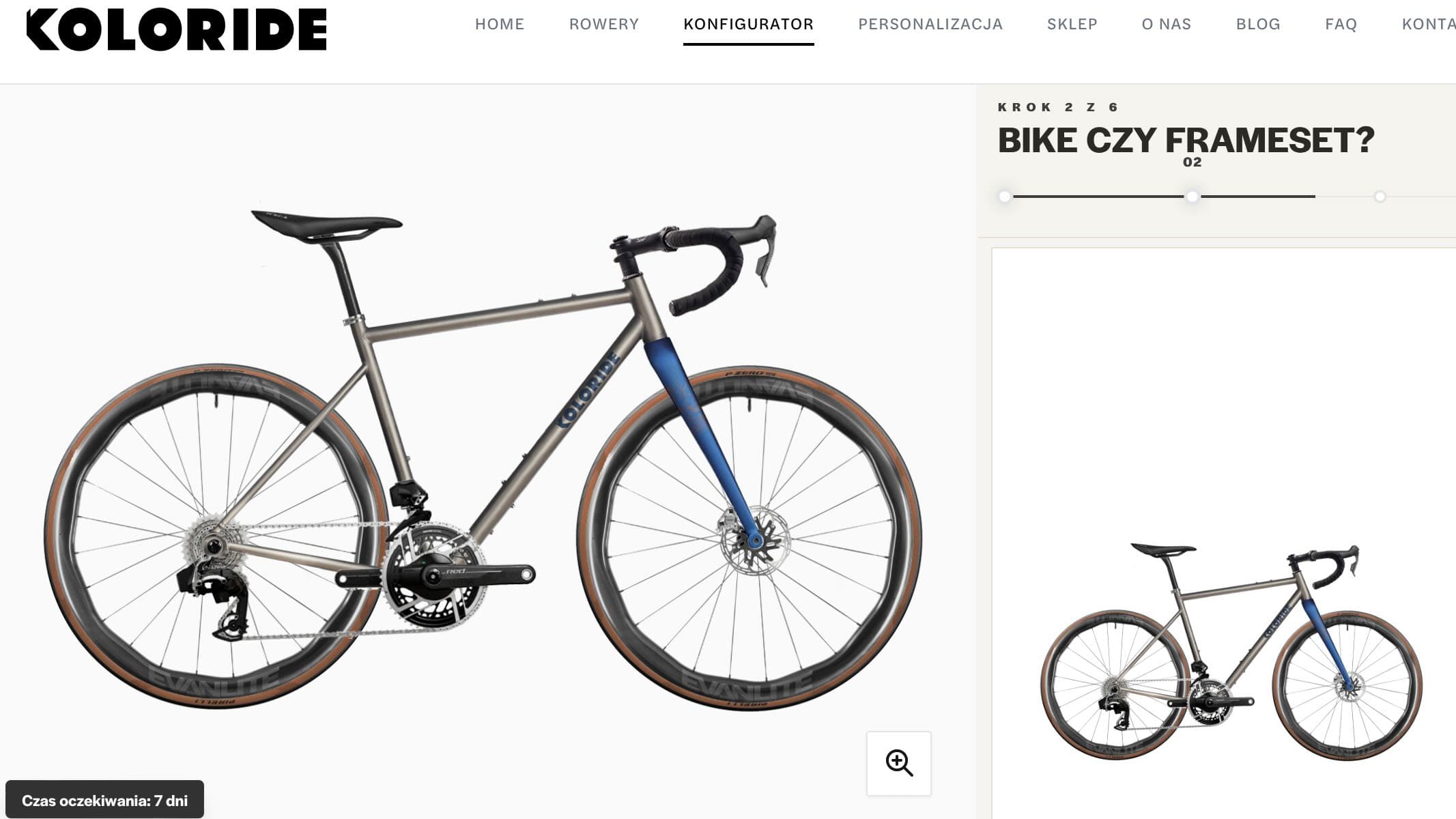
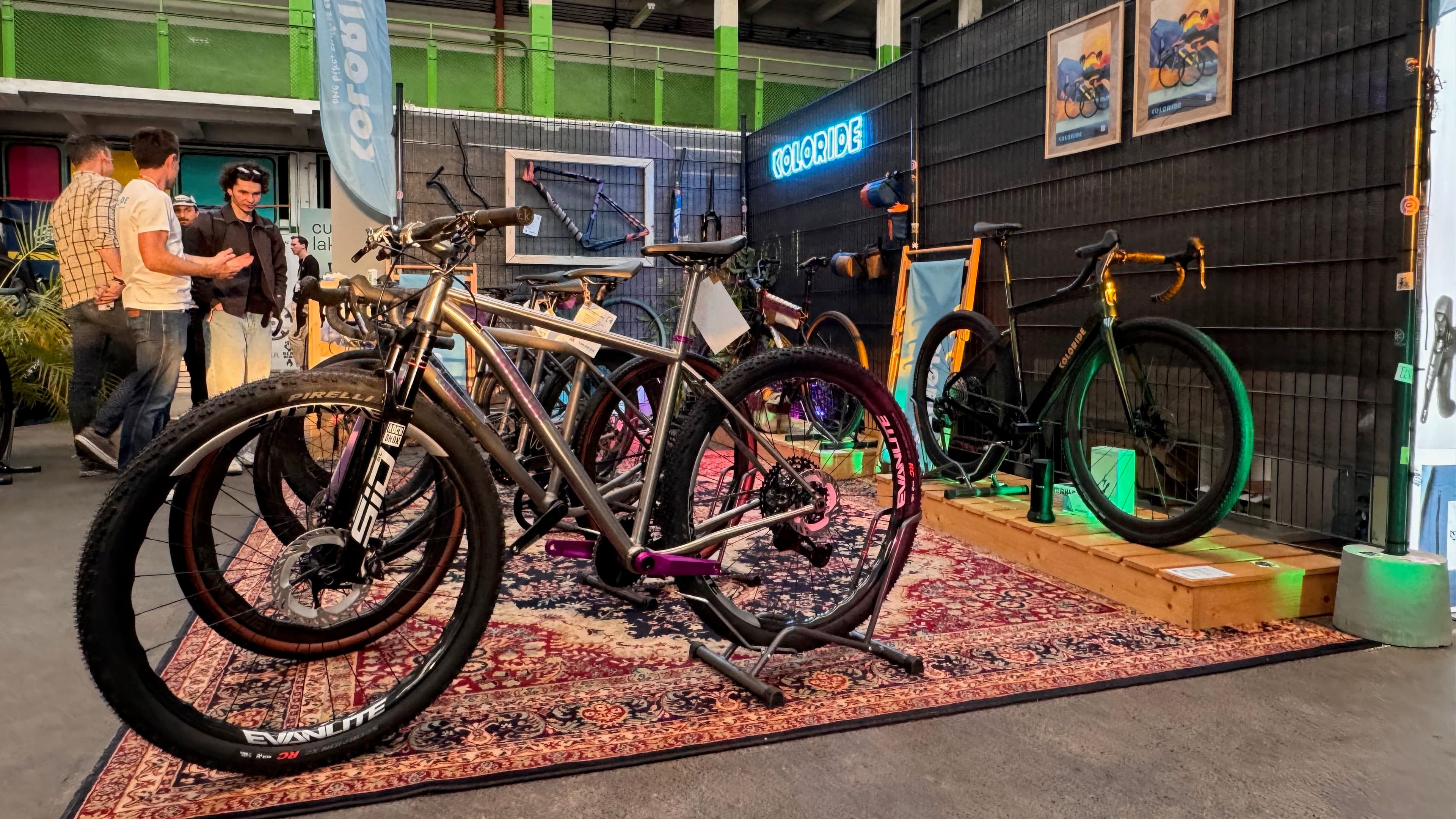
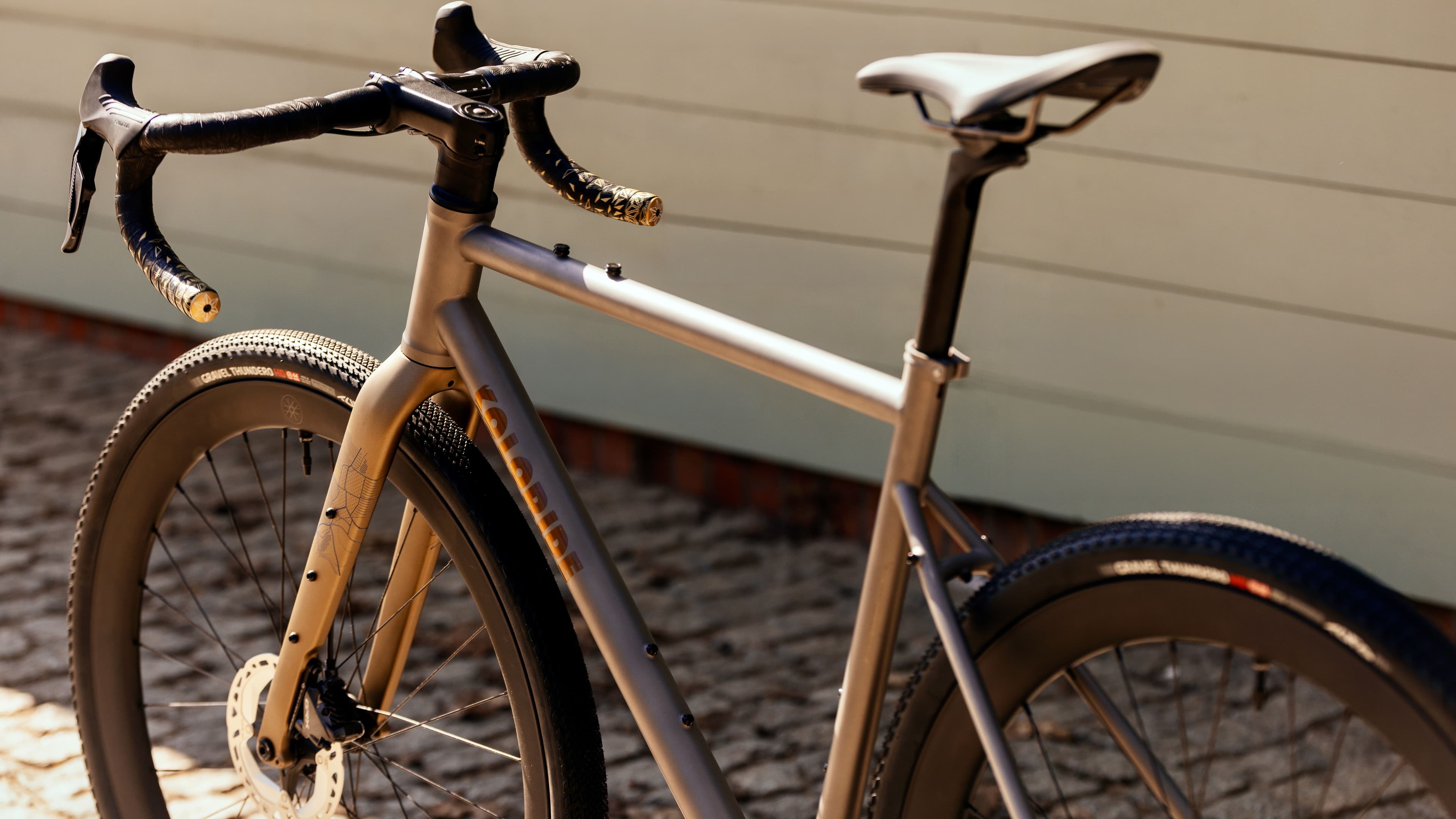
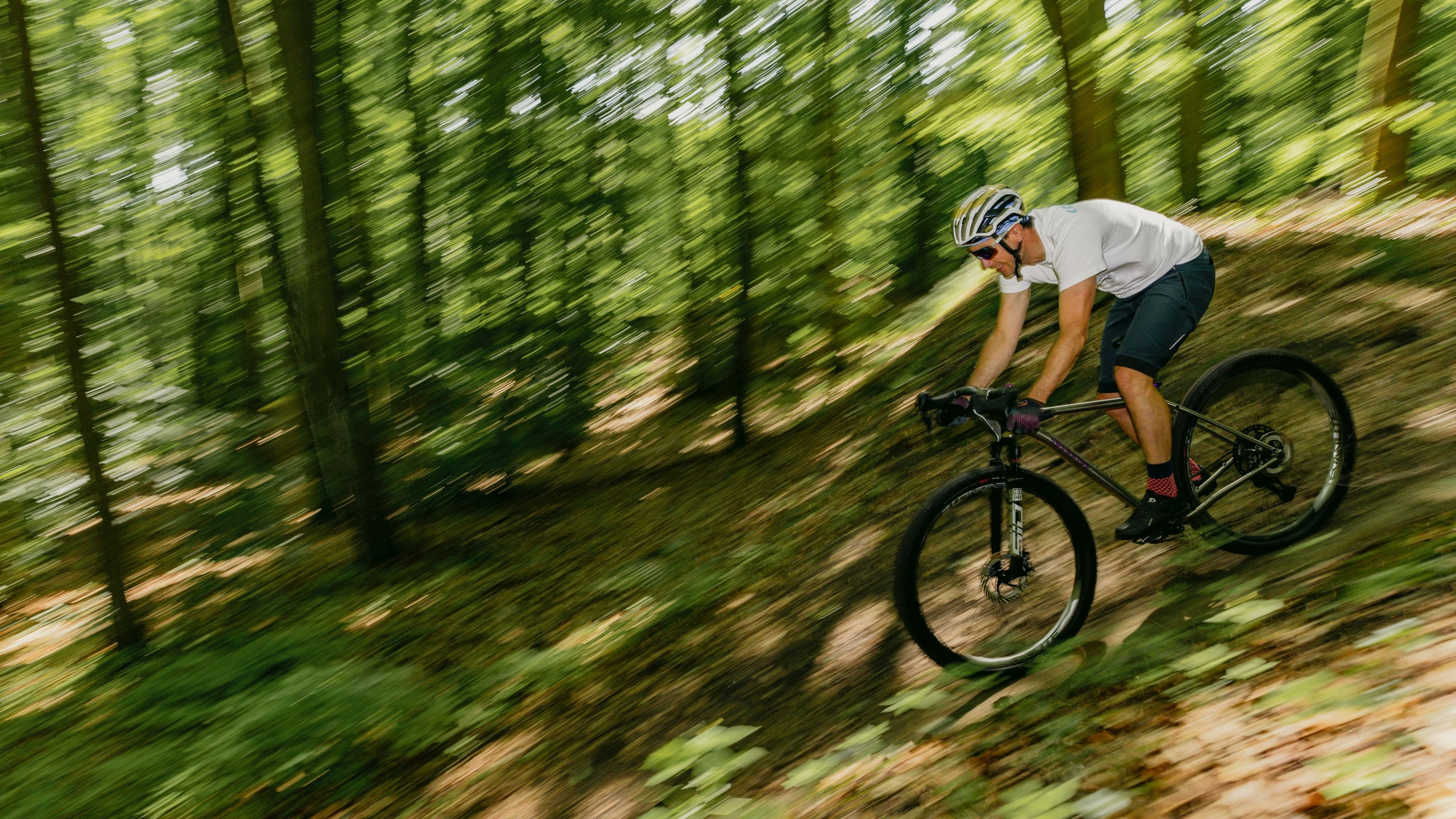
It was precisely this line of thinking that led us to create the HARDY Ti. We didn’t want to make an MTB where we’d simply swap out the straight handlebars for drop bars. From the very beginning, we designed the HARDY as a gravel bike—with the right geometry, the ability to spend many hours in the saddle, and luggage mounts—but capable of tackling much tougher terrain than a classic gravel bike.
Monster gravel—why would you even want a bike like this?
The rougher the terrain, the less forgiving a classic gravel bike becomes. Large rocks, protruding roots, and increasingly uneven surfaces make for a bumpy ride. And that’s exactly where the monster gravel bike comes in.
On the HARDY, we can use a suspension fork with 100–120 mm of travel and tires up to 29 × 2.6 inches. Such a large tire volume allows you to run the tires at much lower pressure and absorb bumps more effectively. These widths are now definitely more commonly associated with off-road bikes than with classic gravel bikes.
However, we didn’t give up on the drop bars. If you know you’ll be spending many hours on the bike, the ability to change your hand position matters. The same goes for mounts for extra luggage—the HARDY was designed to retain the adventure spirit of gravel biking.
Does a monster gravel bike replace an MTB? No. If your main goal is technical singletrack, jumps, and challenging descents, I’d still choose an MTB. A monster gravel bike makes sense when you want to ride for long periods, sometimes with luggage, but your routes take you through much rougher terrain than what we usually associate with gravel riding.

Tires can change a gravel bike more than you might think
Before you start thinking about suspension, take a look at your tires. It’s one of the easiest ways to change the character of your gravel bike. What matters is the width, tread pattern, tire construction, and tire pressure.
Here’s how I generally look at it:
about 40 mm—if you ride mainly on asphalt, in the city, and on paved gravel roads;
about 45 mm – more comfort on mixed terrain, yet still fast on smoother sections;
48–50 mm – a very sensible choice if most of your routes are off-road; you can lower the pressure a bit more and gain a lot of comfort on rough terrain;
2.4–2.6 inches—tougher terrain and riding where large bumps are no longer an occasional occurrence but become the norm.
Of course, tire width alone doesn’t determine everything. But the same gravel bike on a fast 40 mm tire versus a more off-road-oriented 48–50 mm tire can feel like a completely different bike in the woods.
Tubeless and Tire Pressure—Before You Add a Suspension Fork
I’m a fan of tubeless tires on gravel bikes. The ability to safely run at lower pressure provides a great deal of additional comfort. The tire handles bumps better, traction improves, and the bike bounces less on rocks or roots.
With an inner tube and very low tire pressure, the risk of a puncture increases. Tubeless tires, therefore, allow you to make greater use of the tire itself as a shock-absorbing element. That’s why, before you start looking for a suspension fork, I’d check three things: the tire, its width, and the tire pressure. Sometimes that’s exactly where the missing comfort lies.
Does a suspension fork make sense on a gravel bike?
Yes, but not everyone needs one. I’d recommend a suspension fork primarily to riders who want to shift their gravel bike more toward comfort and rougher terrain. The extra travel helps on larger potholes and bumps. It can also be a good solution for riders who, for various reasons, need more damping while riding.
However, there are trade-offs. A suspension fork can add about one kilogram compared to a lightweight rigid fork. There’s also sag and suspension movement that’s noticeable when pedaling harder. If speed and low weight are your priorities, and your routes don’t have many large obstacles, I’d stick with a rigid fork and start by selecting the right tires and tire pressure.
I wouldn’t add a suspension fork just because gravel riding sometimes takes you into the woods.

Gravel or MTB—how do you decide?
Gravel isn’t the answer to every cyclist’s needs. But it comes pretty close :)
If your routes are mostly side roads, gravel, forest trails, and paths, and roots, sand, or rocks are just one part of the ride—I’d go with a gravel bike. On such routes, well-chosen tires and the right tire pressure can provide a lot of comfort, and the bike remains fast on gravel and paved connectors.
If, on the other hand, you’re leaving home specifically to find as many roots, rocks, technical descents, and singletracks as possible—an MTB will give you more control and a greater margin for error.
And if you want to ride for long distances, carry gear, but increasingly venture into truly challenging terrain—that’s where the world of monster gravel bikes begins.
Once again: don’t choose a bike based on the toughest 500 meters of the route. Choose it based on the majority of the kilometers you actually ride.
Cheers!
Sebastian Golczak | Koloride

Gravel vs. MTB – Frequently Asked Questions:
Is a gravel bike suitable for riding in the woods?
Yes. Gravel, forest trails, dirt roads, sand, and occasional sections with roots are the natural habitat of a modern gravel bike. However, if most of the route consists of technical singletrack, large rocks, and challenging descents, an MTB is the better choice.
Can a gravel bike handle roots?
Yes, especially with sufficiently wide tires and the proper tire pressure. More important than asking “Can it handle it?” is how much of your riding involves this type of terrain.
How wide should gravel tires be for forest trails?
About 40 mm will work well if you’re mostly riding on asphalt and hard gravel. 45 mm offers more comfort on mixed terrain. If most of your riding is off-road, consider 48–50 mm. With “monster gravel” bikes, you can go even wider.
Is it worth having a suspension fork on a gravel bike?
If you frequently ride on very rough trails and comfort is a priority, a suspension fork might make sense. For faster riding on paved roads, gravel, and less demanding forest trails, I’d first make sure you have the right tires, a tubeless setup, and proper tire pressure.
Gravel or MTB as a single all-purpose bike?
If you want to combine asphalt, gravel, forest trails, and longer distances, I’d choose a gravel bike. If most of your riding takes place on technical terrain—go with an MTB.