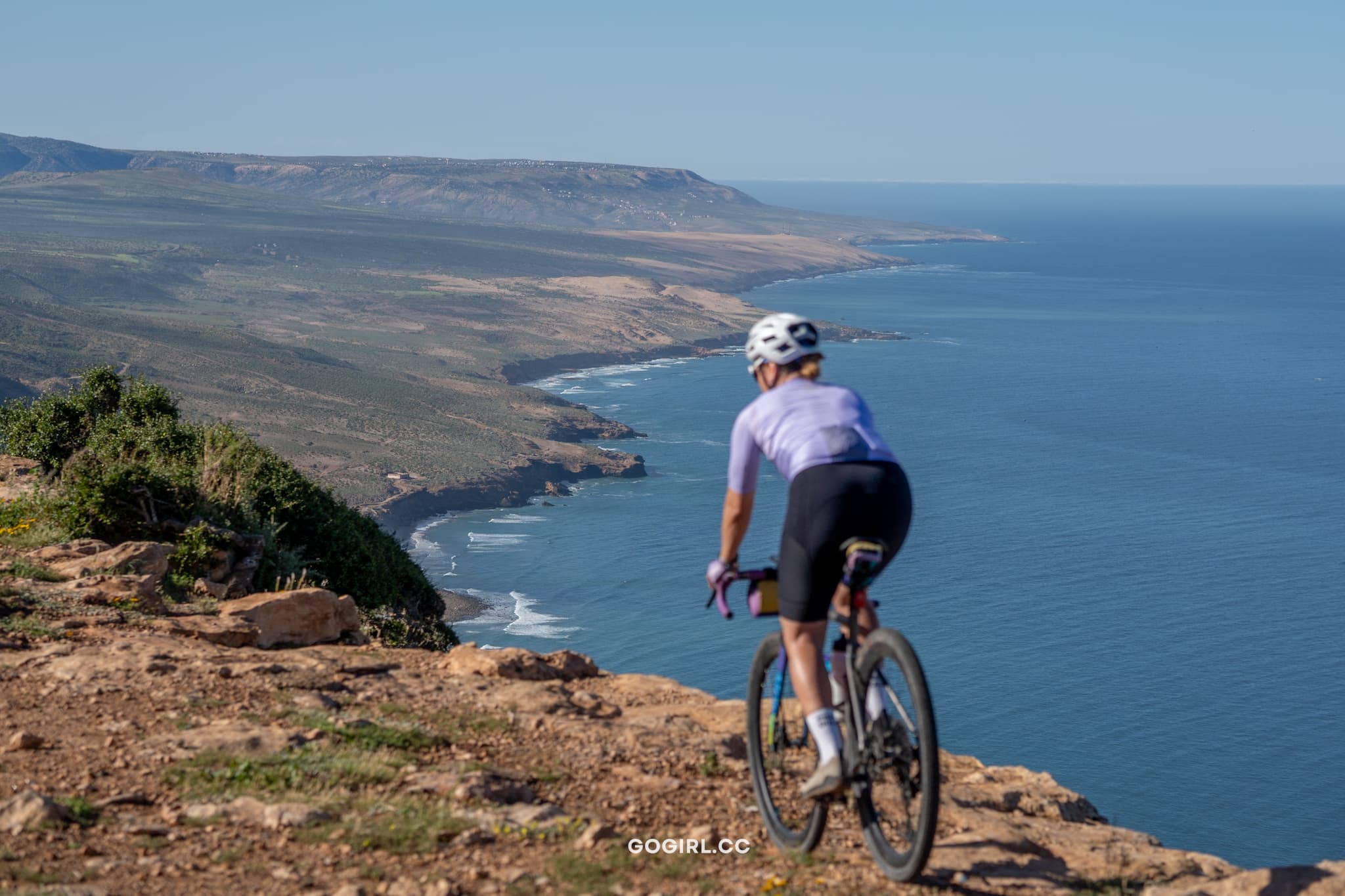

Morocco had long been on my list of places I wanted to see from the perspective of a bike. So when Dorota—Mamba on Bike—launched a new gravel tour route there with GoGirl, the decision was a no-brainer.
This time, the plan was exceptionally simple: ride. That’s it.
No organizing, no planning, no worrying about the next post or reel. Get up in the morning, put on my cycling gear, and hit the road. Sometimes you really need that kind of routine.
Especially since I didn’t have to worry about photos. There were three people taking pictures on the trip—Dorota, Kama, and Kasia—so instead of looking at Morocco through my phone, I could just look at Morocco. And now there’s plenty to choose from :)
We spent five days cycling, and one day was set aside for surfing. Although for me, the whole trip was really just a vacation. Only my legs had a slightly different opinion on the matter.
Is Morocco a good destination for gravel biking?
Definitely yes, if you like varied routes, elevation gains, and rides that combine gravel, asphalt, sand, and rockier sections. Our stages ranged from about 60 to over 100 km, and the longest one had nearly 1,900 m of elevation gain.
Morocco isn’t just a “cycling” destination, though. It’s a cycling trip, but it’s just as much about nature, culture, and cuisine. And I think that’s exactly what I liked best about it.
Morocco on a gravel bike—a little different every day
That’s probably the greatest appeal of these routes: every day was different.
We rode along the Atlantic coast and inland—through the areas around Essaouira, Sidi Kaouki, Tefedna, Imsouane, Tamri, and on toward Taghazout.
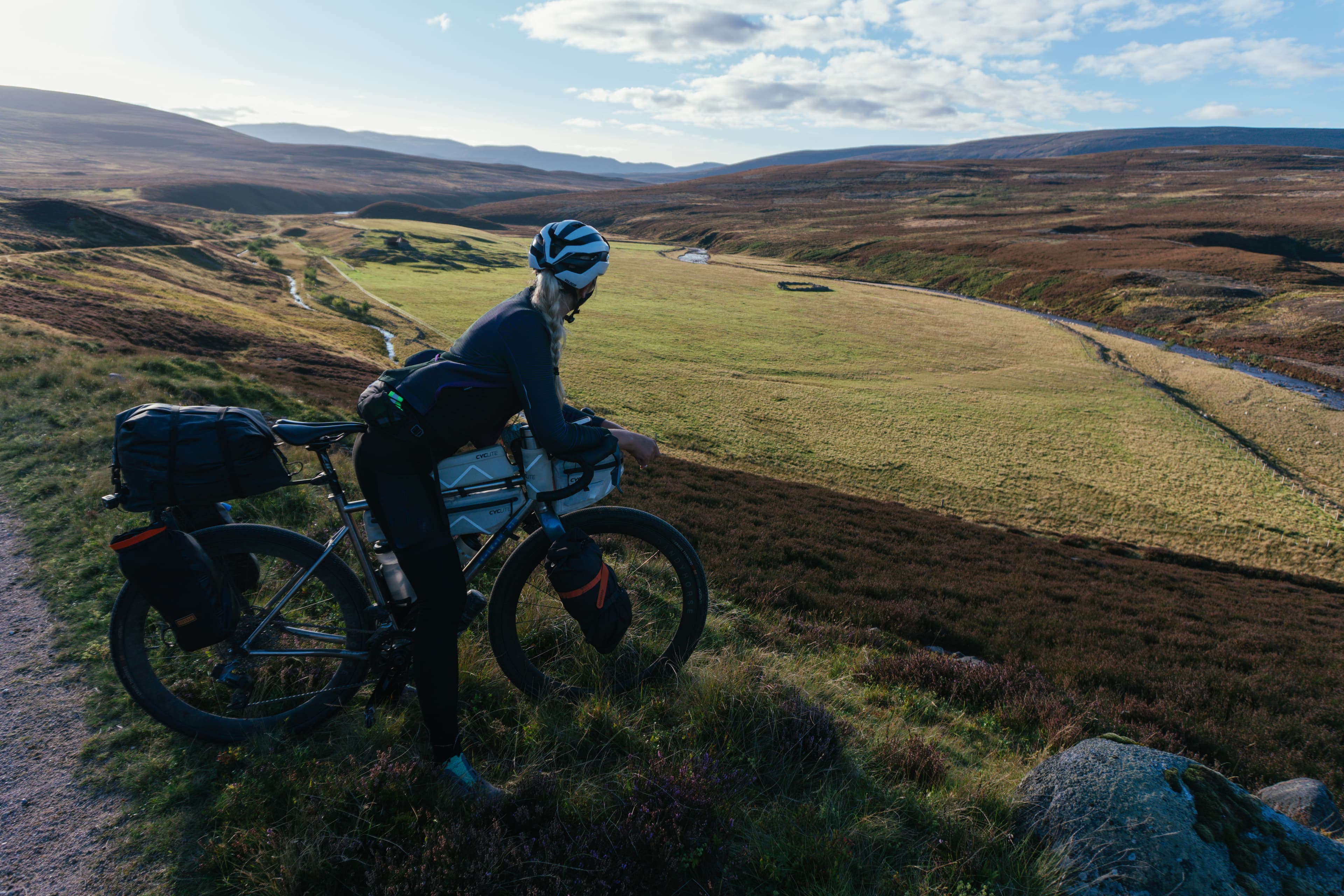
Along the way, there were argan groves, green valleys, oases with towering palm trees, rocky cliffs, sand dunes, and sandy beaches. Plus, small towns, fields, wide gravel roads, rocks, paved connecting roads, and places where we didn’t pass a single car for a long time.
One day the ocean was practically right beside us the whole time; the next, we veered sharply inland. One moment we were driving among argan trees, the next through a rugged, rocky, almost lunar landscape, only to find ourselves in a green valley full of palm trees just around the next bend.
Morocco changed faster than the road surface beneath our wheels. And that, too, changed quite often.
There were also potholes. Big ones.
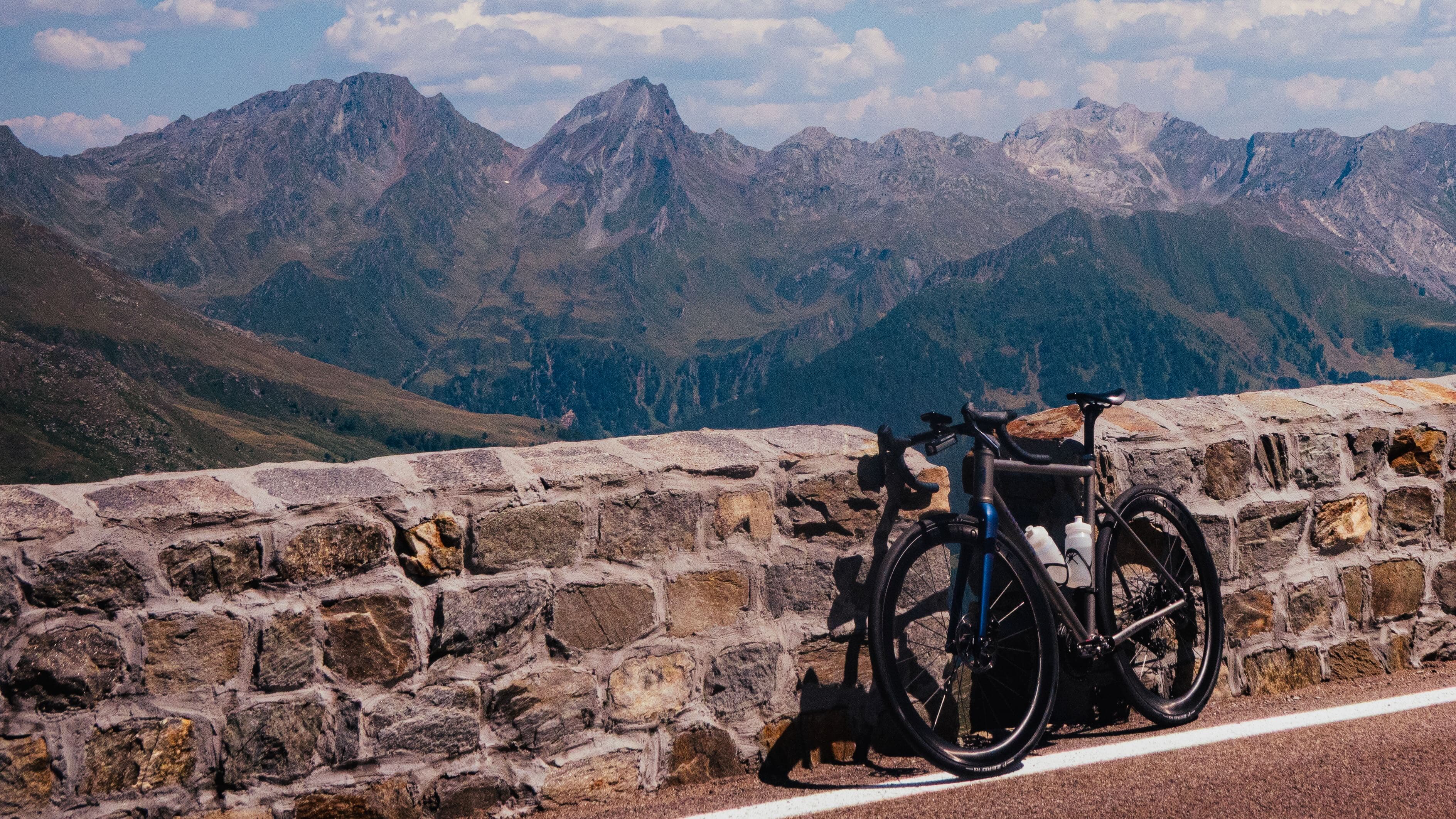
We could easily have skipped one of those sections. But then we wouldn’t have reached the summit, from which the High Atlas was clearly visible. And we would have missed the absolutely brilliant descent that followed and lunch on the rooftops of the world.
So sometimes it’s worth getting off the bike and pushing it a bit. Even while cursing under your breath. The view and the descent made up for everything.
The individual stages ranged from about 60 to over 100 km. One day’s ride toward Tefedna was about 60 km with over 1,000 m of elevation gain; the longest stage toward Imsouane exceeded 100 km and added nearly 1,900 m of elevation gain. Later, we headed inland toward Issi and the honey valleys, climbing to about 1,150 meters above sea level.
You can see the full route of the trip in the GoGirl – Morocco, Atlantic Coast and Tizi n’Ride – Along the Atlantic programs.
Besides, numbers don’t tell the whole story. 60 km in Greater Poland and 60 km here are two very different kinds of 60 km.
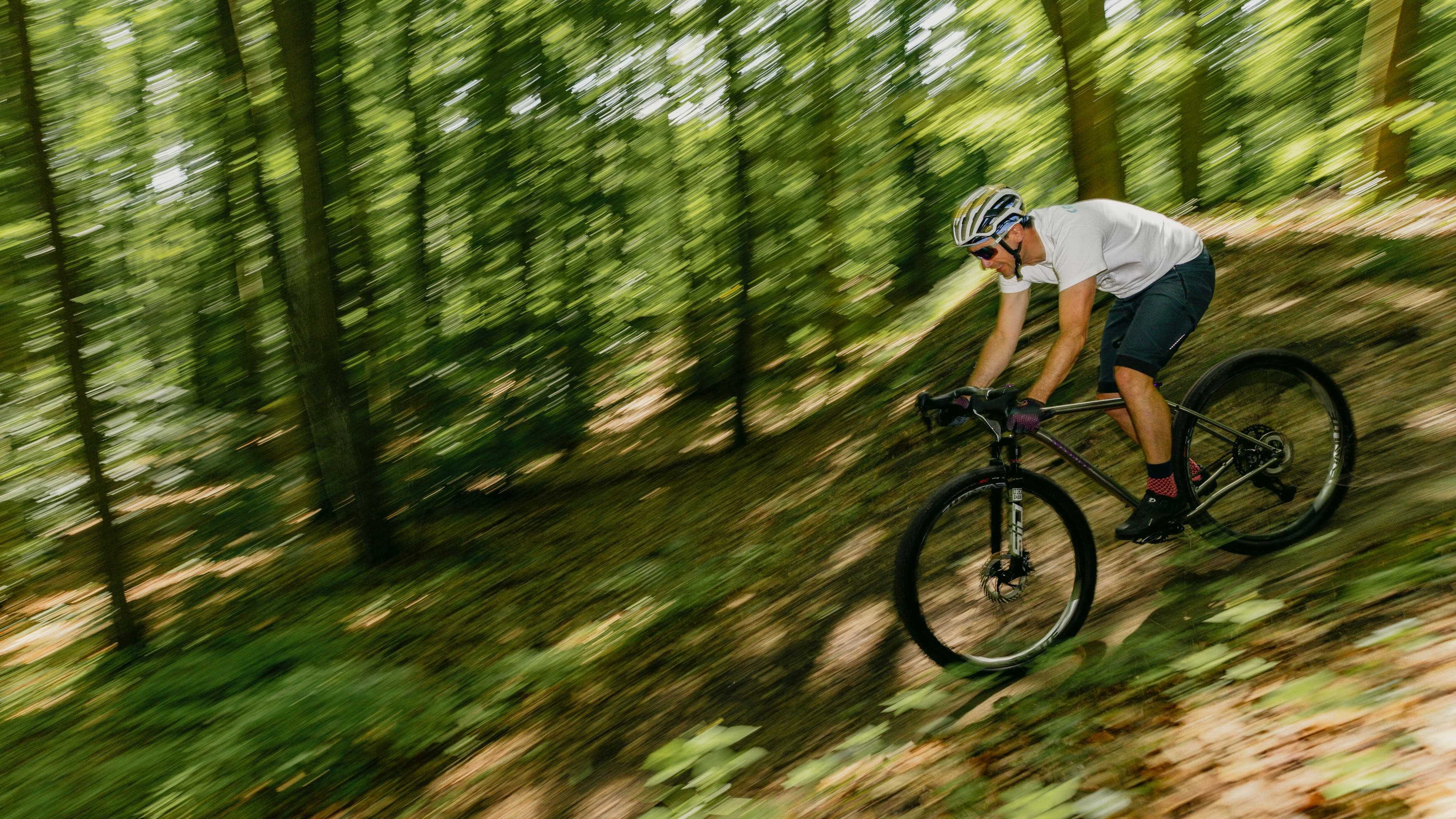
What I liked most was the rhythm of these routes: a climb, a descent, gravel, a village, a bit of asphalt, another climb, and yet another descent.
Neither road cycling nor MTB. Just really good gravel riding.


Green Morocco?
I think what surprised me the most was the nature. I was expecting more yellow and dry landscapes. Instead, we stumbled upon an exceptionally green Moroccan spring.
Winter had left behind plenty of water, and everything literally burst into life: flowers, grass, green valleys, and argan trees.
Even the famous Moroccan goats didn’t have to climb trees. They had plenty of food down below :) Plus donkeys, sheep, camels, dogs, and cats. And in the background, the Atlantic Ocean, cliffs, sand dunes, mountains, palm trees, and the High Atlas.
At times, it was as if someone had gone a little overboard with the landscape design.
I rode and listened
Janek from Tizi n’Ride deserves a separate paragraph.
Janek knows Morocco not just from the perspective of bike routes. He knows the country’s history, culture, nature, and local nuances. He knows why argan trees grow in certain places, where to turn to avoid a busy road, where it’s worth stopping, and how to communicate with the people we met along the way.
Thanks to this, we weren’t just following a pre-planned GPX track. We rode through Morocco with someone who could show us what Morocco was really like.
And for me, that was the greatest value of this trip. The argan groves ceased to be just a pretty backdrop for a photo, and the towns we passed through were no longer just anonymous dots on a map. There was history, local customs, and encounters with the locals.
That’s when a bike trip starts to become more than just the sum of kilometers and elevation gain.
I rode and ate
A very important part of the itinerary.
The local guys who transported our luggage between accommodations prepared breakfasts, lunches on the road, and dinners. And lunch on a blanket, in a perfectly chosen spot, made with fresh local produce? Absolutely fantastic.
Vegetables, fruit, fish, seafood, tagine, millet porridge, local bread. And, of course, mint tea poured skillfully from silvery teapots.
Sweet. Very sweet.
There were also completely unplanned stops. Locals invited us into their homes for tea, treating us to amlou bread and butter, sweets, or fruit.
Those are the moments you remember best later on.
I rode and chatted
Dorota from Mamba on Bike and GoGirl brought together a group of girls with very different levels of cycling experience. There was a bit of racing, a bit of waiting, climbing hills together, helping each other with our bikes, and long evening conversations. You could ride harder or stay behind. Chat half the night or be silent for a while.
Women’s cycling trips have their own magic.
Morocco was there even after we got off our bikes
Fortunately, the week of riding didn’t end just because we logged our activity on Strava.
There was the hammam, which—after a few days of riding and Moroccan dust—definitely ranks high on the list of great ideas. There was surfing, local food, long dinners, and evening conversations.
There were also perfectly chosen accommodations. Some with a view, others with a pool—each a little different, but all selected with great attention to the participants’ comfort.
After a full day of riding, you really appreciate a place where you can eat well, take a bath, relax, and still feel like hopping back on your bike in the morning.
Cycling was the centerpiece of the trip, but not its sole purpose. It was a cycling trip, but just as much a journey into nature, culture, and cuisine.
And what about safety?
That question came up before the trip, so I’ll answer briefly: I felt safe.
Big cities are crowded and traffic is chaotic. Cars, scooters, people—you have to keep your eyes peeled. Just like in many places around the world.
In smaller towns, there were times when kids would run out in front of my bike, playing silly pranks. Other than that, my experiences with the locals were really positive—ranging from simple smiles to the invitations for tea and food I mentioned earlier.
On a more feminine and practical note: restrooms. In cities, no problem—cafés, restaurants. On the road, you know how it goes. The standard: bushes.
An important caveat: I was on an organized trip, in a group, and with a local guide. I can’t speak to solo travel in Morocco based on this experience.


What to Pack for a Gravel Ride in Morocco?
To keep it simple:
a few sets of cycling clothes to change into,
plenty of sunscreen with a high UV protection factor,
cream for bike-induced butt soreness,
good sunglasses—photochromic lenses are a nice bonus, but not essential,
a tool kit under the saddle and a handlebar bag to fit all your gear for the day—whatever setup you prefer
a GPS and legal lights
a light windbreaker or vest for mornings and long descents,
a towel and swimsuit—you know, the ocean and surfing!
loose, comfortable, and warmer clothes for the evening.
As for the bike, I’d prioritize thicker tires, tubeless setup, and a suitably low gear ratio. Moroccan gravel can suddenly turn into sand, rocks, or a more technical descent. That extra bit of comfort and traction really comes in handy.
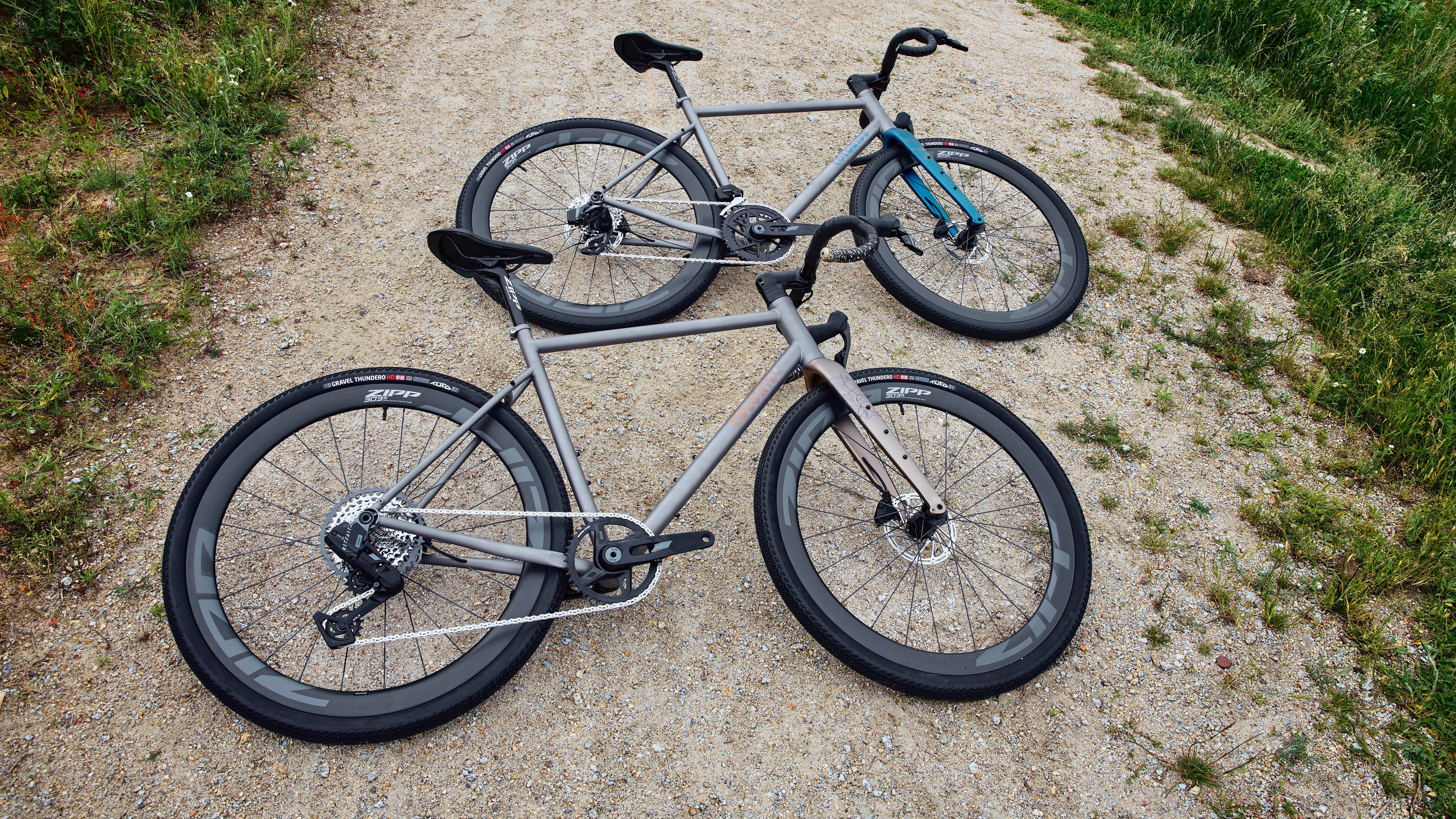
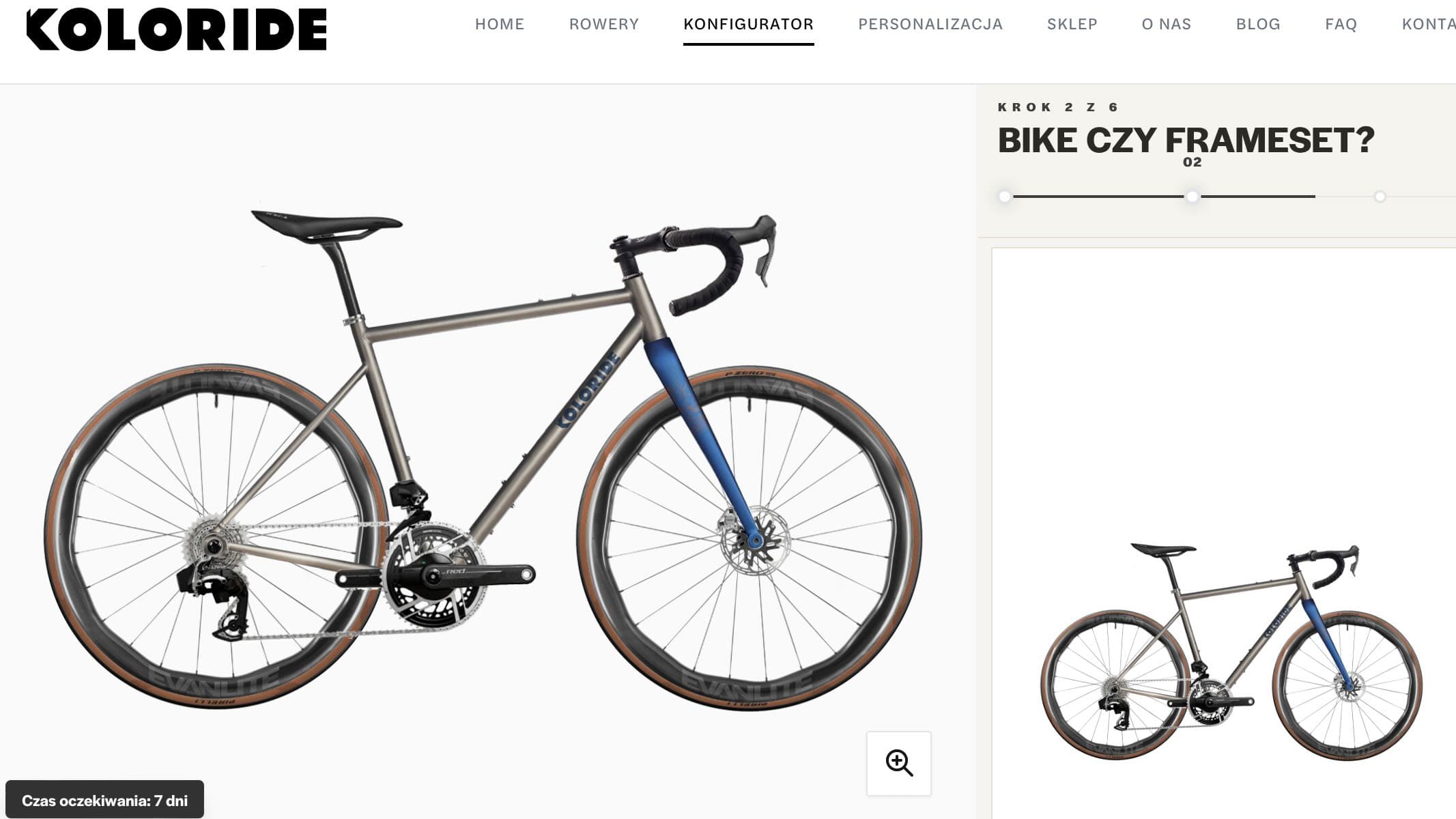
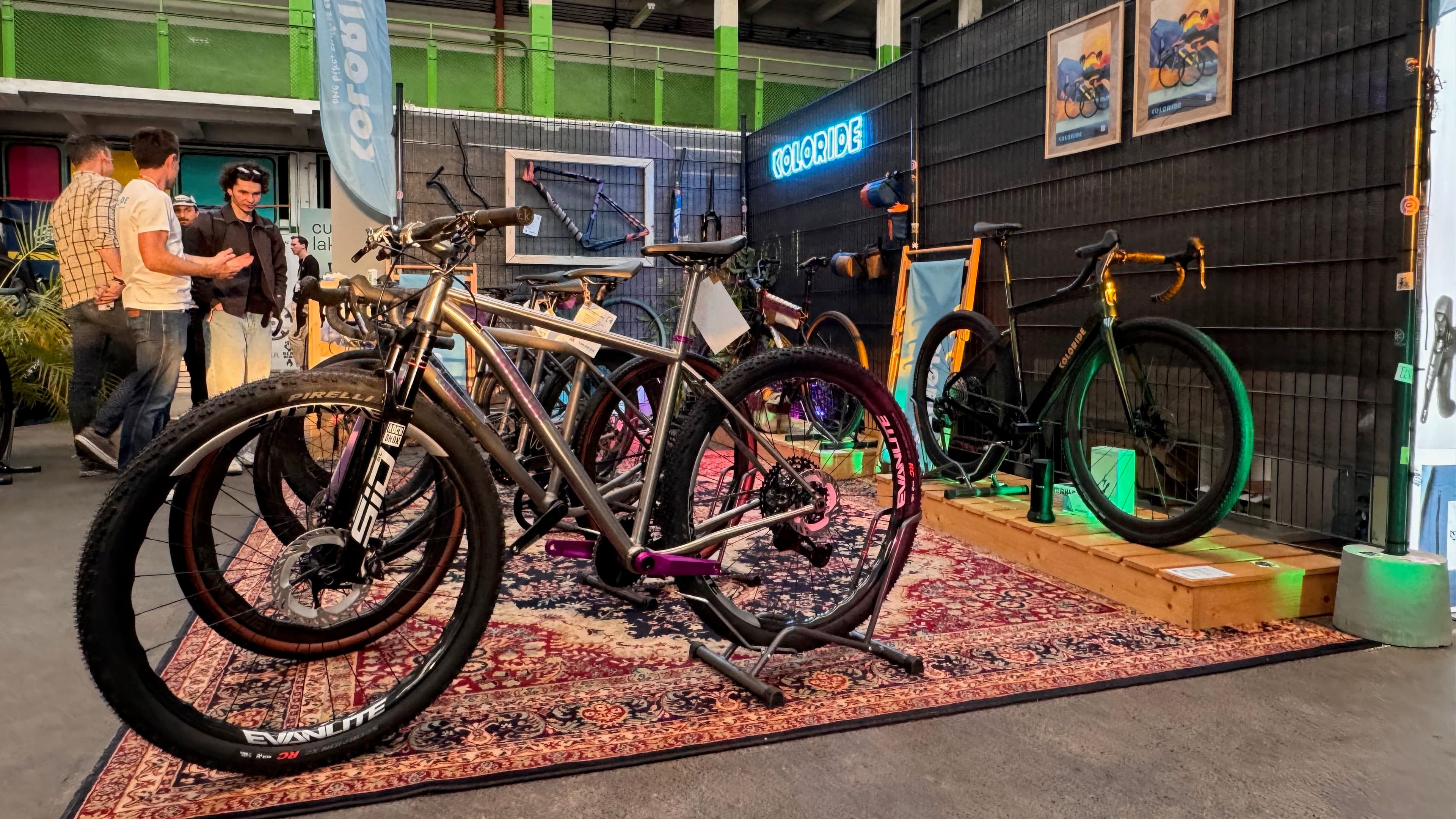
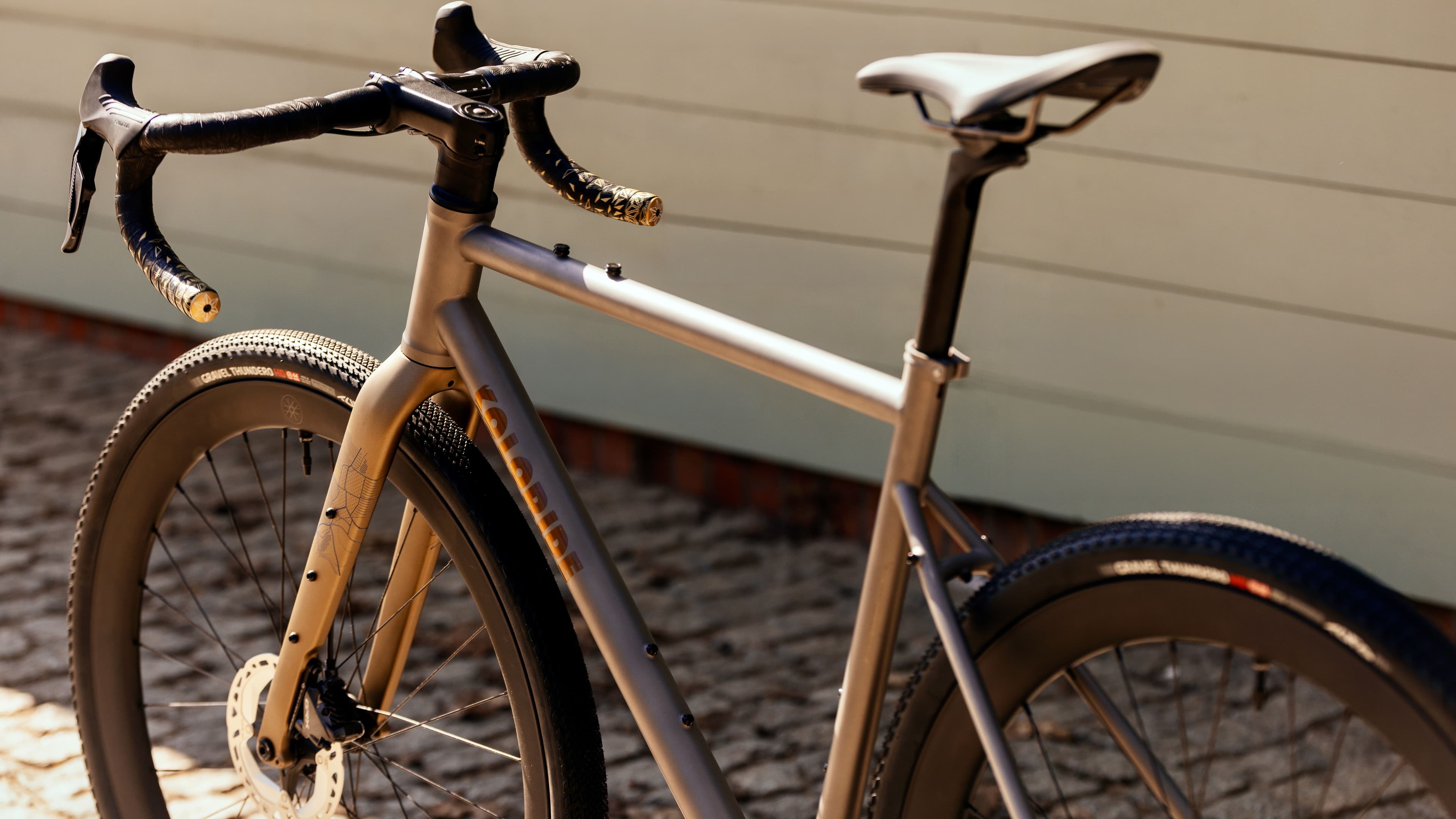
And what did I ride? The GRAIN Ti-Koloride
I took my GRAIN Ti-Koloride with a mullet drivetrain to Morocco: SRAM Rival AXS XPLR + GX T-Type with a 10–50T cassette. On climbs reaching up to 12–17% in some places, the wide gear range was definitely more than just a line item in the specs.
I had EVANLITE Road-Off wheels on DT Swiss 350 hubs, fitted with 44 mm TUFO Thundero tubeless tires. And after this ride, I wouldn’t trade them for narrower ones just to go faster on asphalt. On rocks, sand, and descents, those 44 mm tires really did the job.
The GRAIN wasn’t best on just one type of surface. And that’s exactly what made it so great. The titanium frame provided a lot of comfort, as did the carbon fork and wide tires inflated to the right pressure.
Asphalt, gravel, sand, rocks, long climbs, fast descents.
It just rode.
What would I have done differently?
I would have prepared myself better :) I came back with an injury. It was March, and after winter, my body wasn’t ready yet for a few days of riding with such elevation gains. My mind really wanted to do it. My legs, apparently, a little less so.
That’s probably the most important thing I’d add to the “what to bring” list: being in shape for the trip.
Before a multi-day camp, it’s worth checking not only whether we’re capable of riding 80 or 100 km, but whether we’re ready to do it the next day. And the day after that. Especially with a lot of elevation gain.
And if not?
You can ride in “chill” mode. You really don’t have to “win” every climb.
It’s a shame I didn’t realize this until I was in Morocco :)
Would I go back to Morocco with my bike?
Without a second thought. I went there first and foremost to ride. Without organizing, planning, or creating content.
I got so much more: biking, nature, culture, food, and people.
I rode. I ate. I listened. I talked. I looked around.
And for a few days, I really didn’t have to do anything.
Just bike.
One bike, endless experiences.
Camp: GoGirl – Morocco, Atlantic
Coast Routes and local guidance: Tizi n’Ride – Along the Atlantic
Bike: GRAIN Ti-Koloride
Photos: Dorota / Mamba on Bike, Kama, Kasia


Gravel Cycling in Morocco – Frequently Asked Questions
Is Morocco a good destination for gravel riding?
Yes. The routes can combine asphalt, wide gravel paths, sand, rocky sections, long climbs, and fast descents. It’s a great destination for people who enjoy varied riding and don’t expect perfectly smooth gravel all day long.
What tires work best for gravel riding in Morocco?
On this trip, I rode on 44 mm TUFO Thundero tubeless tires, and based on the routes I covered, I wouldn’t have chosen narrower ones. The wider tire provided more comfort and confidence on rocks, sand, and fast descents.
How challenging are the gravel routes in Morocco?
Our daily stages ranged from about 60 to 110 km, with the most challenging ones featuring nearly 1,900 m of elevation gain. The sheer number of kilometers can be misleading—the terrain, elevation gain, and several consecutive days of riding mean that 60 km in Morocco can be much more demanding than a similar distance on flat routes in Poland.
What should you pack for a gravel trip to Morocco?
What
came in especially handy for me were good sunglasses, sunscreen with a high UV protection factor, a few sets of cycling gear, a light windbreaker or vest, and comfortable clothes for the evening. As for the bike, I’d go with tubeless tires, wider tires, and appropriately low gear ratios.
Can a woman feel safe on a cycling trip in Morocco?
I felt safe
during an organized group tour with a local guide. In larger cities, you have to watch out for heavy traffic, but outside of them, my experiences with the locals were very positive. I wouldn’t base my assessment of the safety of traveling alone in Morocco on this experience.
Thank you so much!
Natalia