I’ve always dreamed of visiting Scotland. I love fall, Harry Potter, and that misty “hoa hoa” vibe, so I felt like this was the place for me. I’d already had the chance to go on a short city break to Edinburgh and get a taste of the Highlands on a one-day, organized tour, which only fueled my fascination with the place.
Edinburgh is definitely one of the most interesting cities in Europe, in my opinion. The architecture, incredible history, the castle towering over the city, and the sound of bagpipes create a unique atmosphere. I highly, highly recommend just going there on a whim.
But we’re not talking about going “just like that.” We’re going to explore Scotland by bike, and in this post, I’ll share a few of my thoughts with you.
1. MOUNTAINS
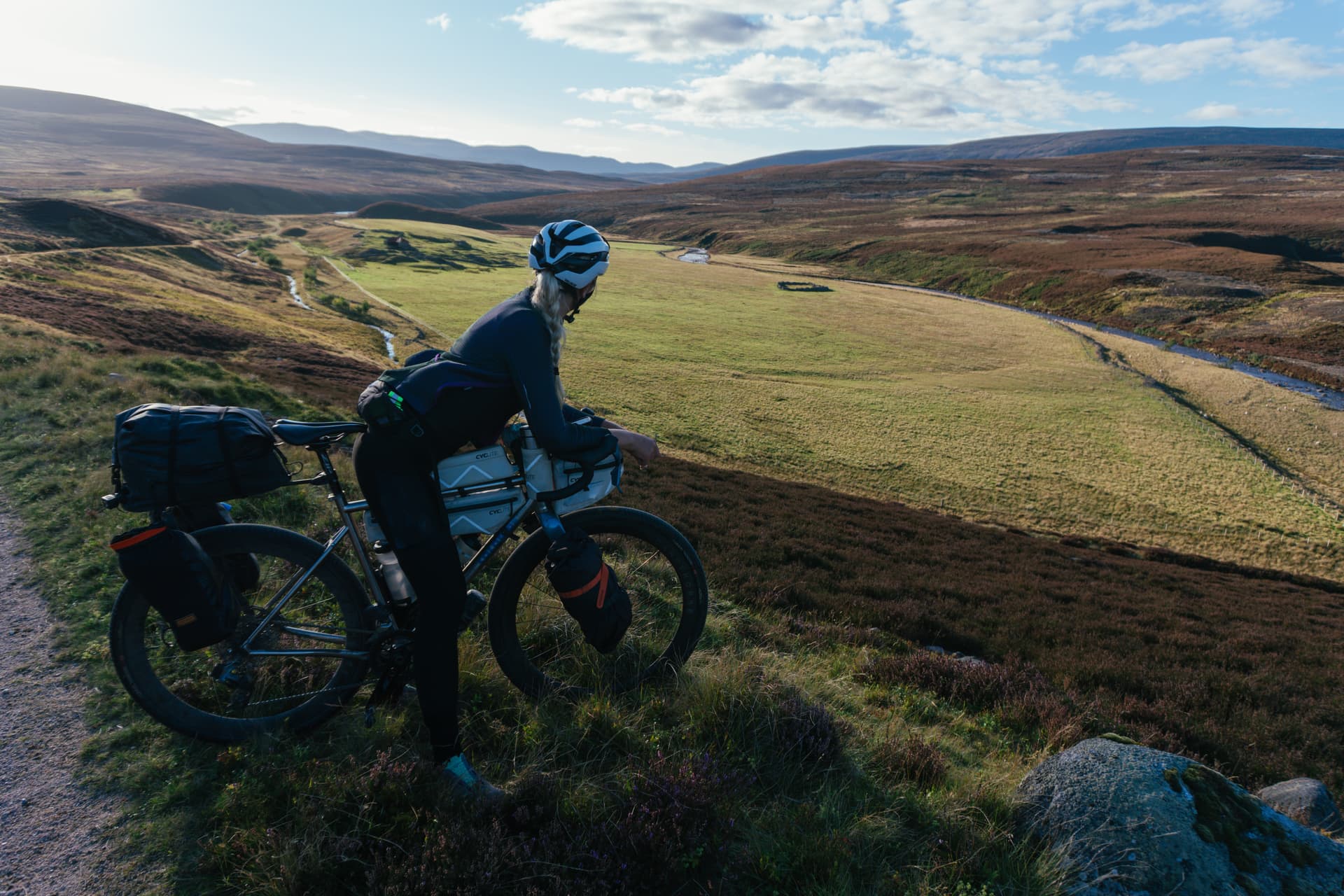
Scotland, even though it doesn’t have any super-tall peaks—though it is home to Ben Nevis, the highest mountain in the United Kingdom—is very mountainous and hilly. You have to be prepared for numerous climbs and covering a lot of elevation gain each day.
So this isn’t a trip where you’ll be riding on flat terrain the whole time, even if at first glance the Scottish mountains don’t look particularly intimidating.
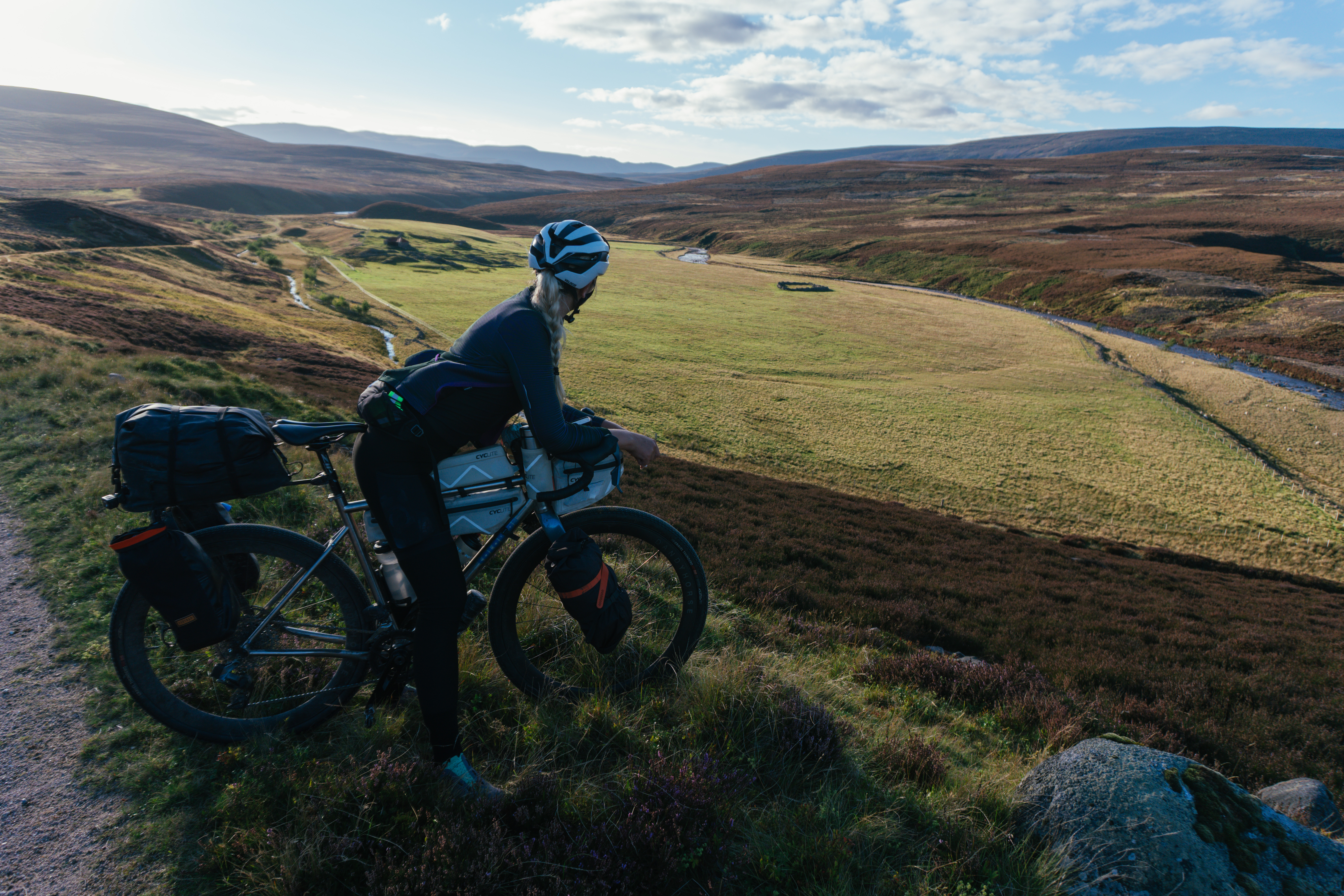
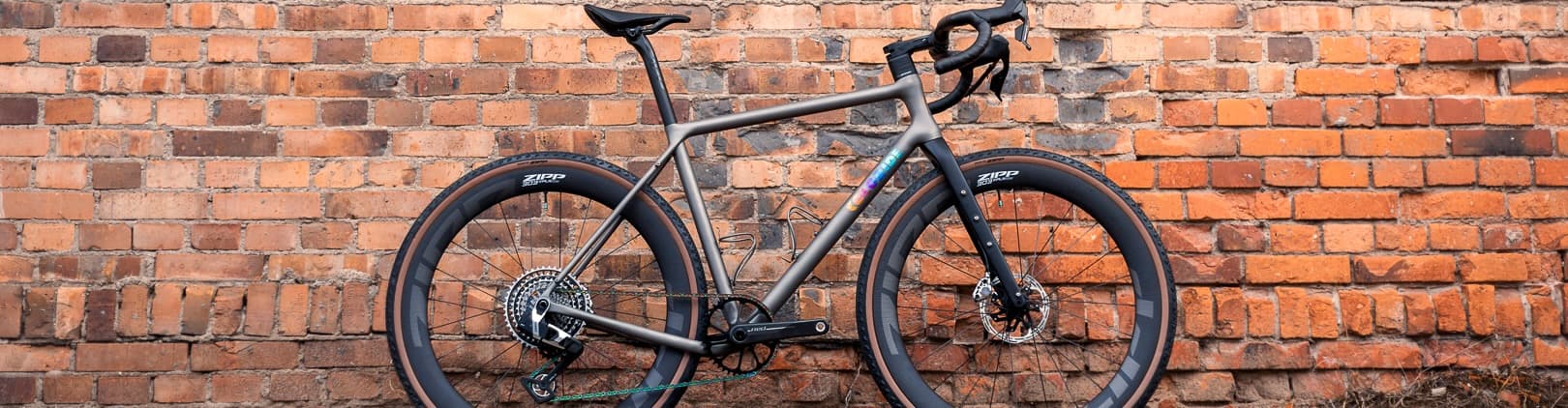
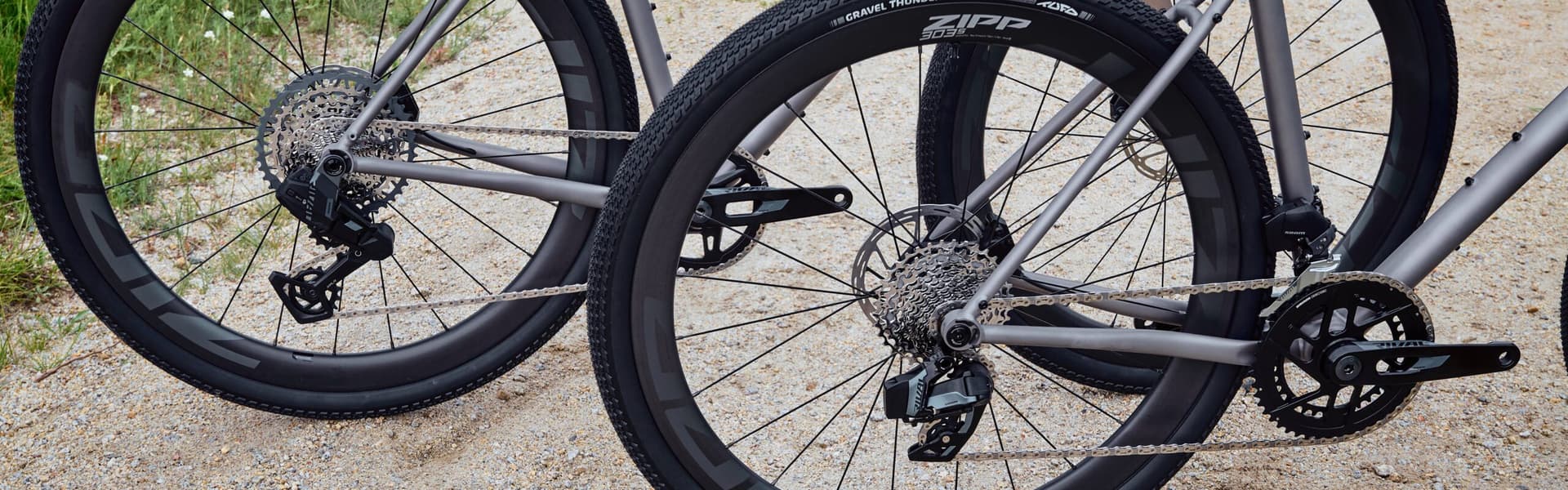
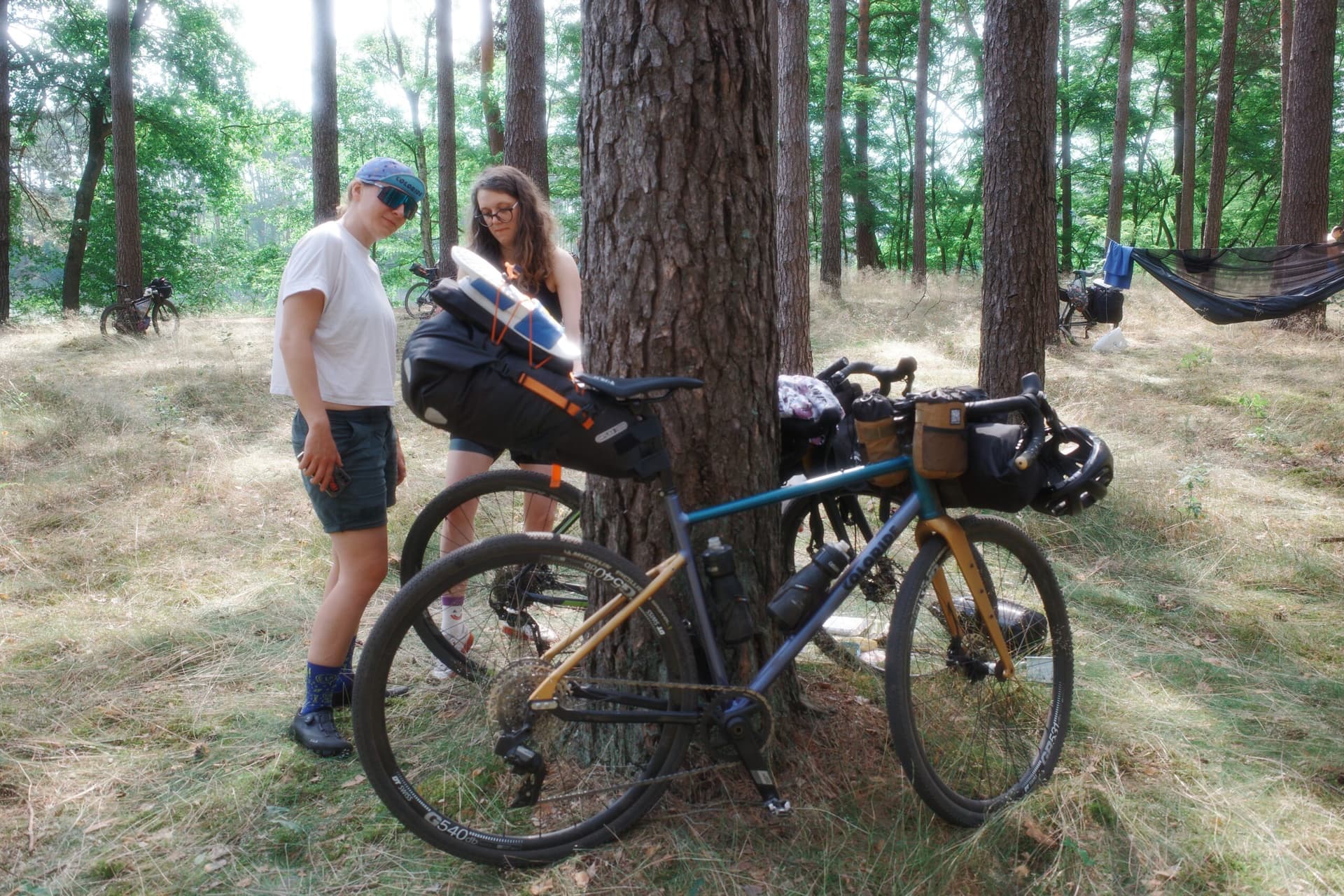
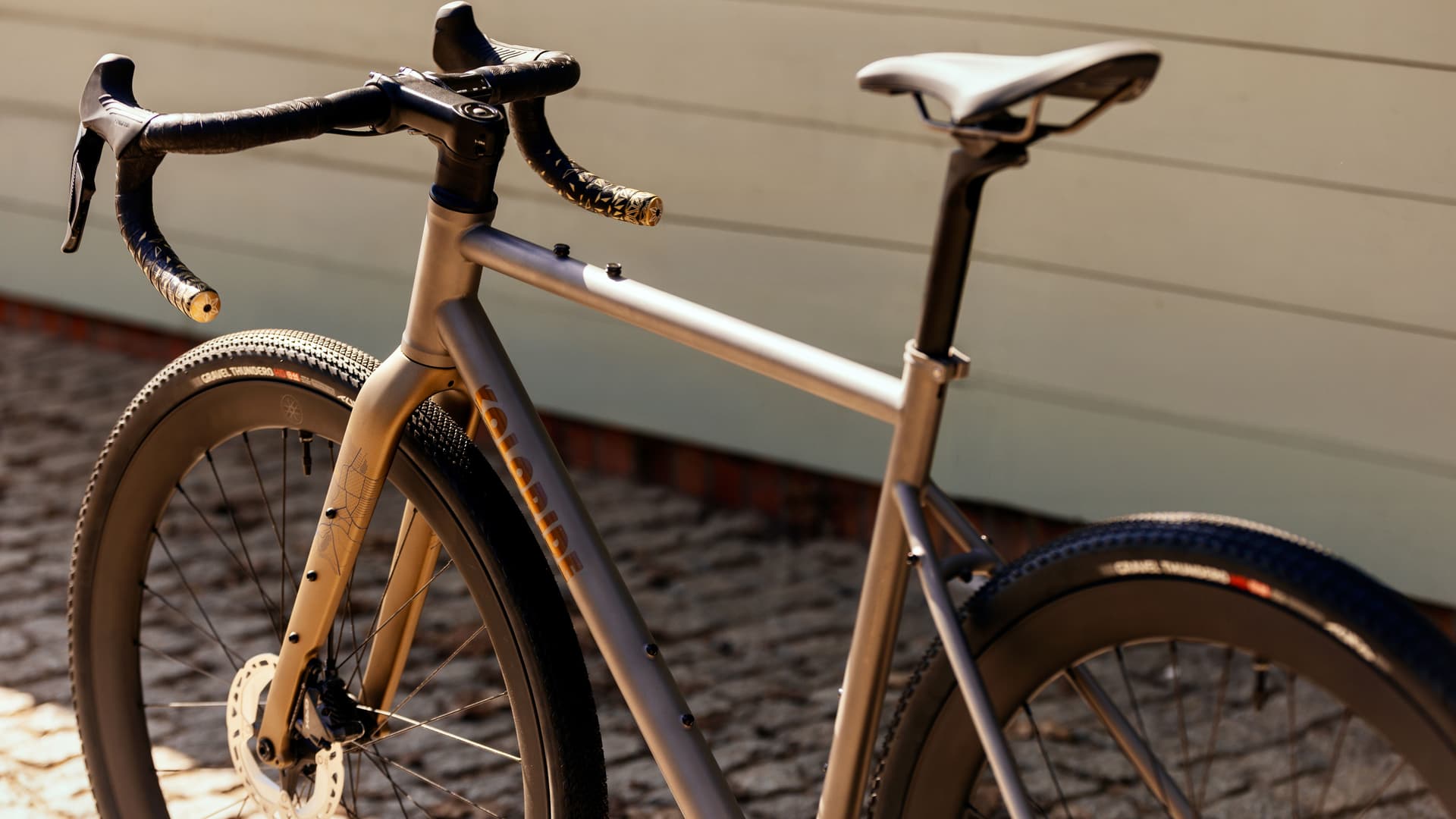
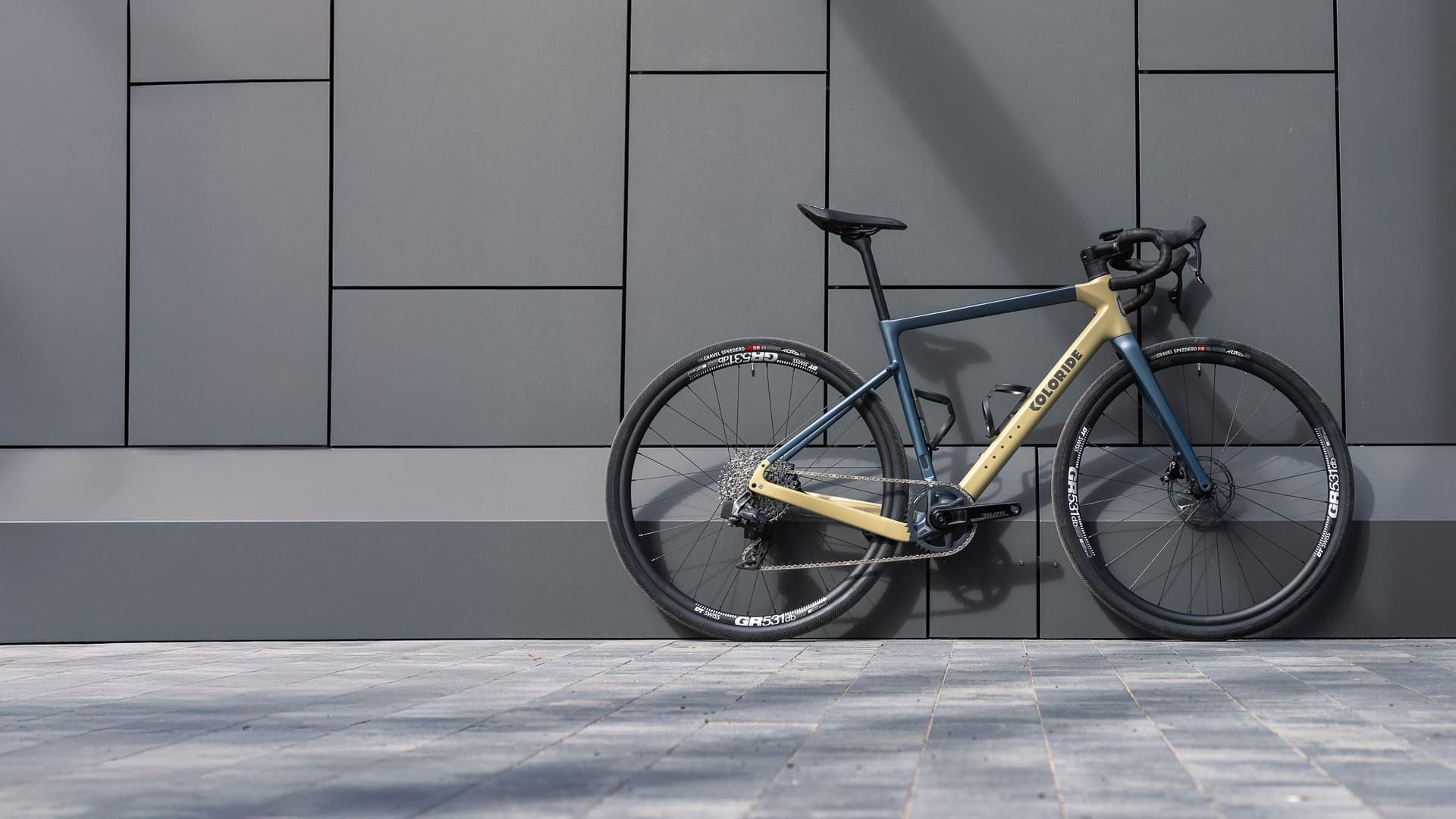
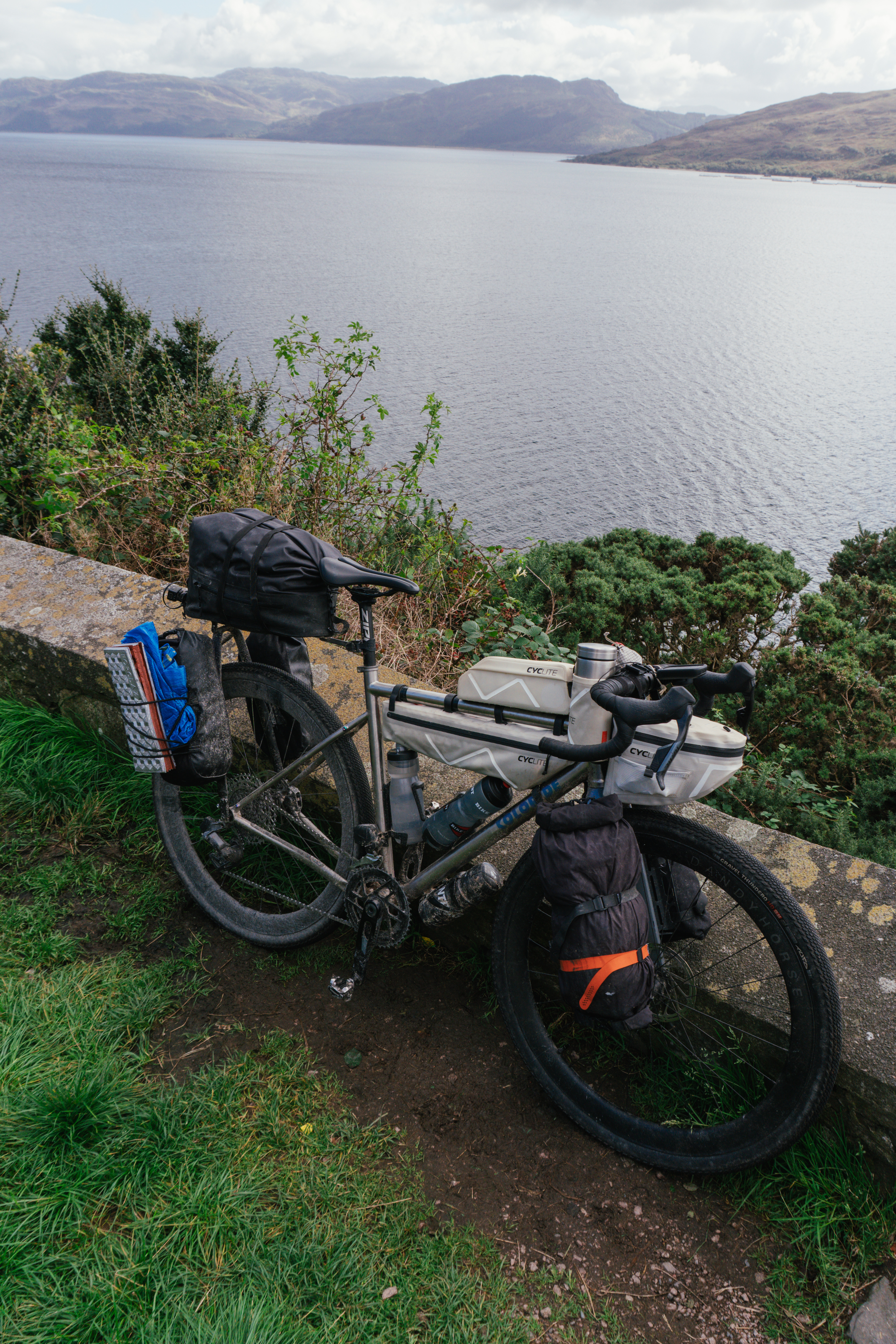
I rode my Aurora GRAI Ti—a titanium gravel bike from Koloride—which, with its 44mm tires, handled even the more technical sections with ease. The whole setup, including my luggage (a Tailifin rack, Restrap panniers, and Cyclite frame bags), weighed about 29 kg.
2. RAIN AND WIND
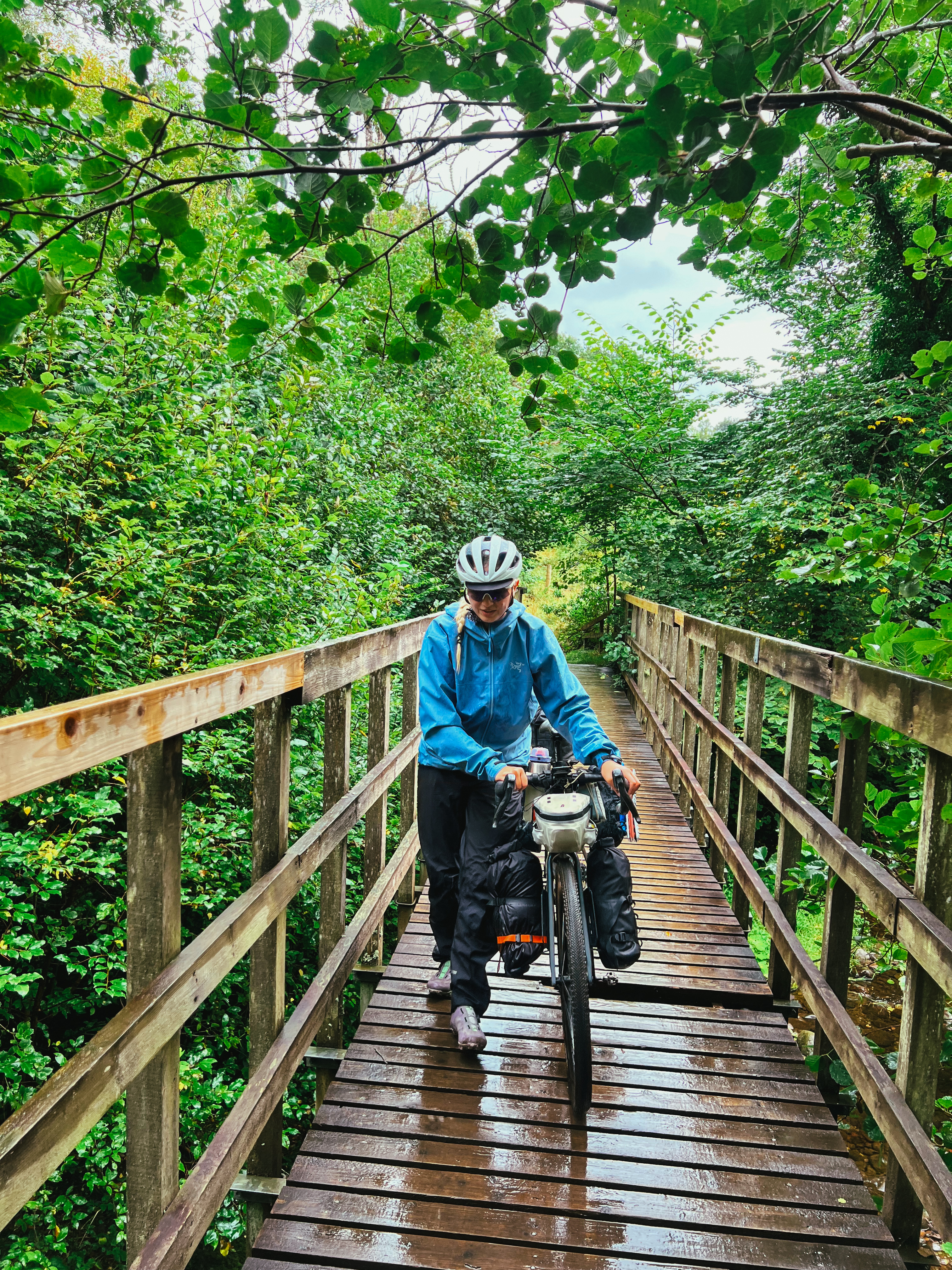
This region is famous for its unpredictable weather, and it can indeed change dramatically in just a few minutes. Statistically, May and September are the months with the most stable weather in Scotland, and that’s when I’d recommend visiting, but during our 14-day stay in Scotland in September, we only had 3 days without rain.
If you’re traveling there with a bike, you have to be prepared for the fact that it will DEFINITELY rain and be windy.
A big plus is that the region has an oceanic climate, so there aren’t big temperature swings between day and night. In September, we had a steady temperature of around 15 degrees, and at night it dropped to 11–12 degrees. Thanks to that, even though we got soaked, we weren’t terribly cold. A warm shower at the campground and a night in the tent were really pleasant.
3. MIDGES
May and September are the best months for exploring Scotland, and not just because of the weather. From June through the end of August, midges take over the country.
Apparently, they’re the very reason the Romans failed to conquer Scotland. They’re these tiny little midges that love it when the sun is hidden behind clouds and there isn’t much of a breeze—and that’s when they swarm and practically eat people alive.
There’s even a challenge to go a minute with your face uncovered while surrounded by midges.
A face net is a must-have if you’re going there during peak midge season (I also recommend having one in September—you never know.)… It’s best to buy midge spray there, because apparently only the local ones really work.
4. COSTS
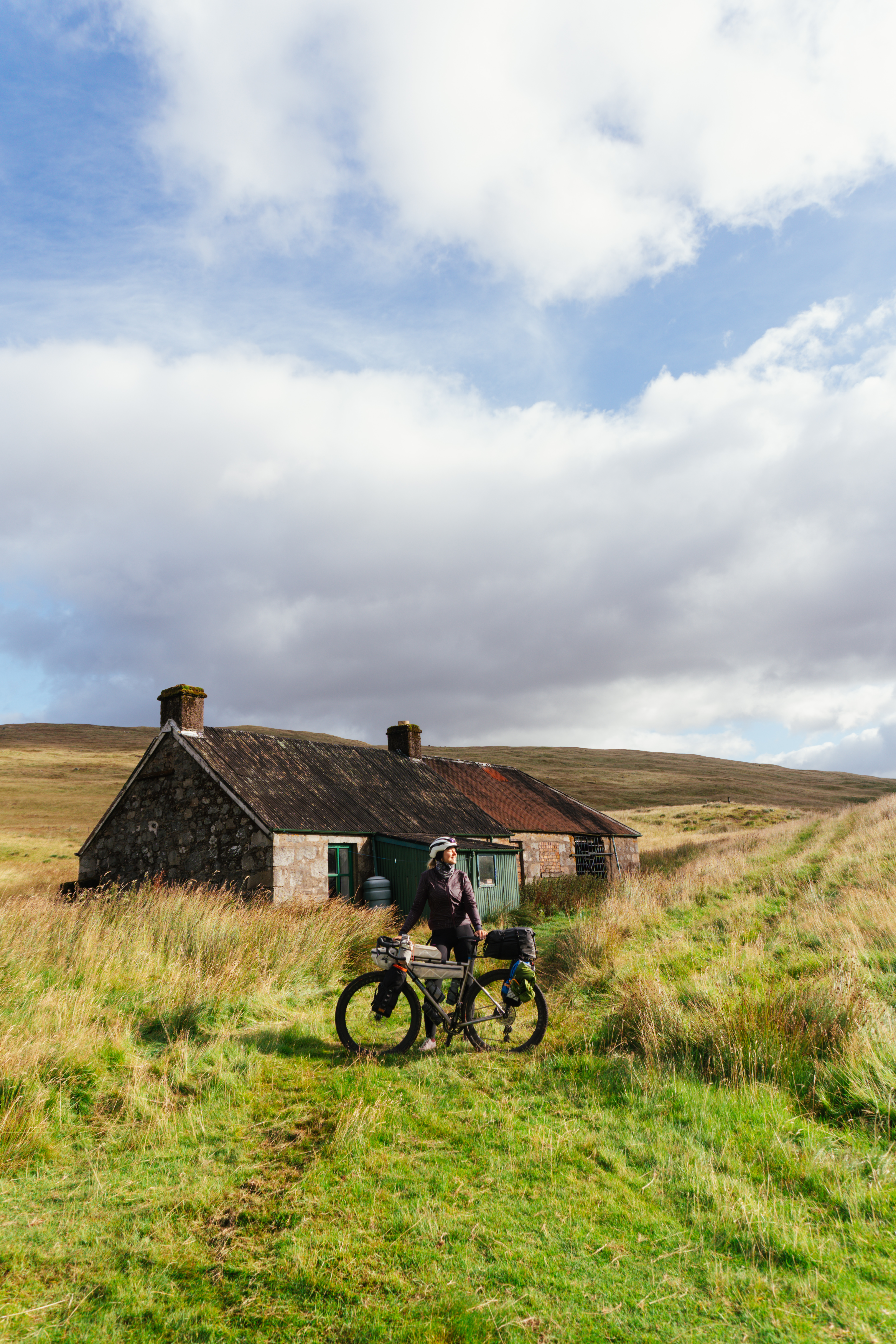
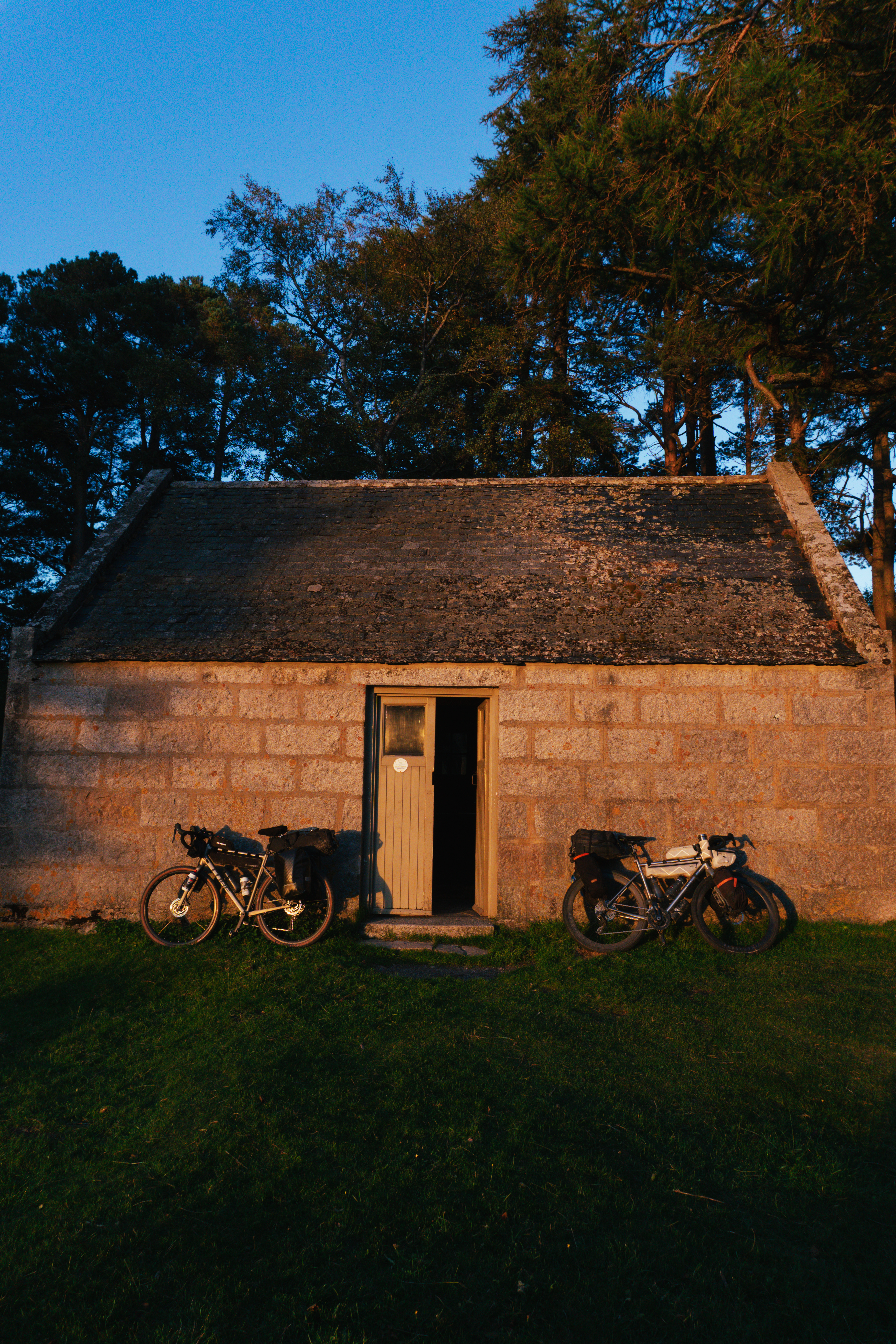
Scotland isn’t cheap if you want to sleep in a warm hotel bed. Restaurants aren’t exactly cheap either. Fortunately, you can camp out in a tent—of course, while respecting the locals, their property, and nature. There’s also a free network of mountain huts called “bothies,” which are scattered throughout Scotland. You can take shelter there for the night, light a fire in the fireplace, and dry your belongings.
In my opinion, Scotland requires very careful advance planning of logistics and lodging options. This is especially true if you’re heading to more remote areas and don’t want to stay in hotels or campgrounds every day.
5. FLEXIBILITY
What’s the point of spending an entire month planning the route, accommodations, and coordinating it all with ferries, if the weather and canceled ferries effectively turned our entire plan
?
In those moments, you have to make quick decisions and keep enjoying the trip.
And I think that’s what Scotland taught me most of all. You can have a perfectly planned itinerary, but we can’t predict everything. The weather, ferries, road conditions—anything
can mean that within a few hours, you’ll have to come up with a completely new plan.
On the ferry operator’s website, under the “Service Status” tab, you’ll find information about service disruptions on specific routes: https://www.calmac.co.uk/en-gb/#/
6. ROADS
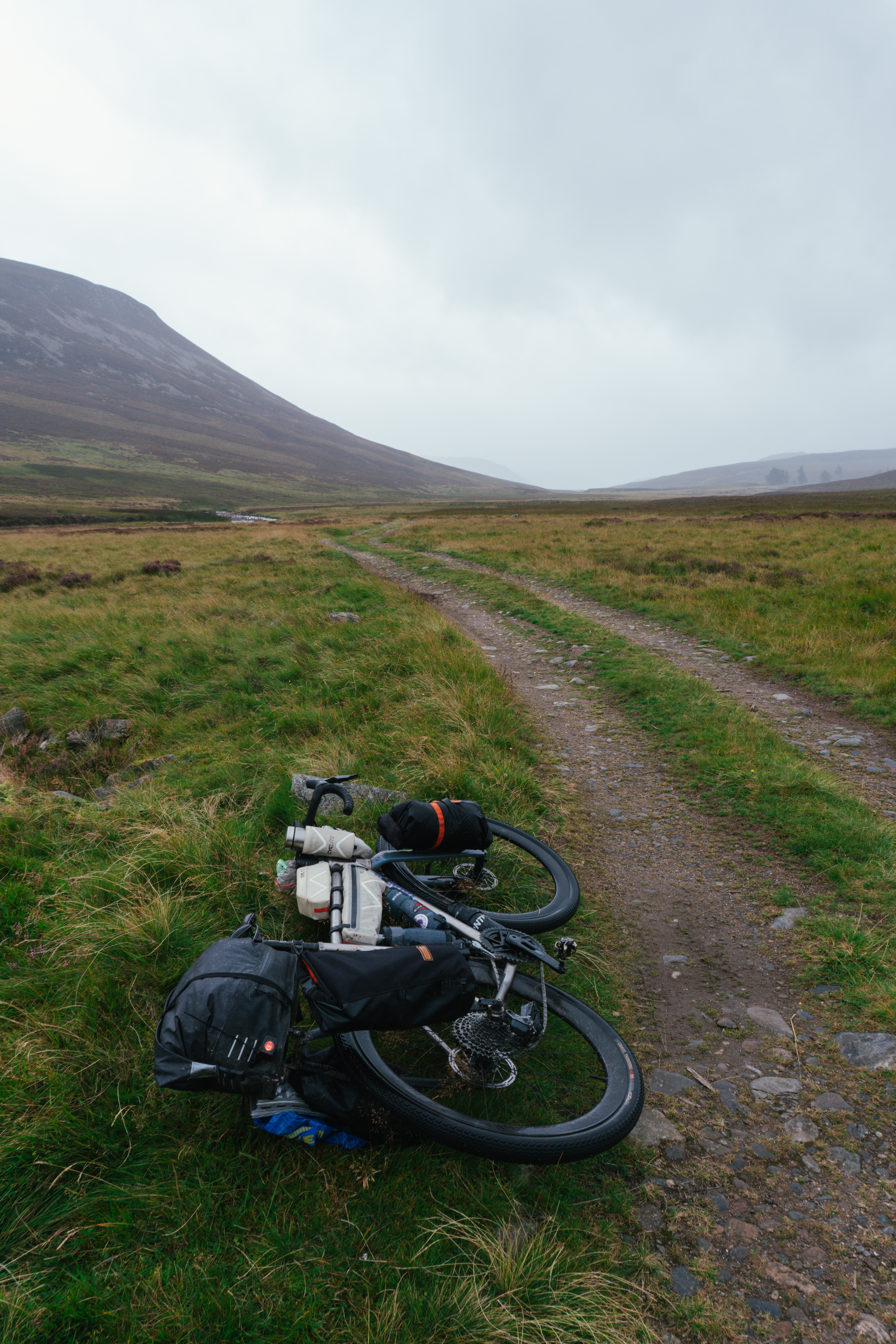
One definite downside of Scotland is its small road network. Either you stick to the marked trails—of which there are plenty, though they can be challenging and border on MTB riding—or you can choose a street with
all the tourist traffic.
There are very few options for shortcuts or detours, so you really need to plan your route well in advance. You can’t always just veer off somewhere and find an alternative route.
We found the most beautiful gravel trails in Cairngorms National Park!
If I were riding even closer, I’d also check out the routes on bikepacking.com, like the Pictish Trail.
7. MUST-HAVES
If I were to make a list of things that are really worth bringing along, it would look like this:
Rain jacket and rain pants—an absolute must. In Scotland, it’s really not worth counting
on actually managing to avoid the rain.
Waterproof socks—my discovery of this trip. They totally saved me, especially on
the wettest days.
Midge spray—best to buy it there, because apparently only the local ones work.
A few freeze-dried meals and a small stove with a gas cartridge—Scotland can be
very remote, so it’s a good idea to plan ahead for hot meals.
Reflective vests—the roads are narrow, visibility can be poor, and there will definitely be times
when you’ll have to ride on the road. A small brush—the amount of dirt from off-road trails and changeable weather will be
significant. A brush like this to give your bike a quick once-over before riding will be worth its weight in gold!
8. IS IT WORTH IT?
A hundred times YES!
This isn’t a trip I’d recommend to everyone—rather, it’s for those who love intense adventures, aren’t afraid of challenges, and can keep their spirits high no matter the conditions. It’s also for those who don’t want to travel super far to feel truly remote and a bit like they’re in a movie.
It’s hard to fall in love with Scotland, but if you learn to love it just as it is, it will reward you with the most beautiful, cinematic, magical scenes that you’ll remember for many years to come.
MY CONTROVERSIAL OPINION:
Scotland is at its most beautiful precisely when the sun hides behind a thick layer of clouds. :)
Here are a few useful links:
Map of official Scottish cycling routes https://www.visitscotland.com/things-to-do/
outdoor-activities/cycling/national-routes
Map of free mountain huts (bothies) https://www.mountainbothies.org.uk/
bothies/location-map/
Midges forecast https://www.smidgeup.com/midge-forecast/
Map of historic routes (I rode a few of them!) https://scotways.com/heritage-paths/
map/#zoom=7.452&lat=56.903107&lon=-4.232716&seq=9
I recommend using websites like mapy.cz or Komoot to plan your routes. It’s best to plan on both and compare section by section to get a feel for the route and avoid any surprises.
You can find my entire route on my Strava and Komoot profiles, and my daily adventures on Instagram @natnykiel_cycling
. Thanks, see you out on the bike!
Natalia Nykiel