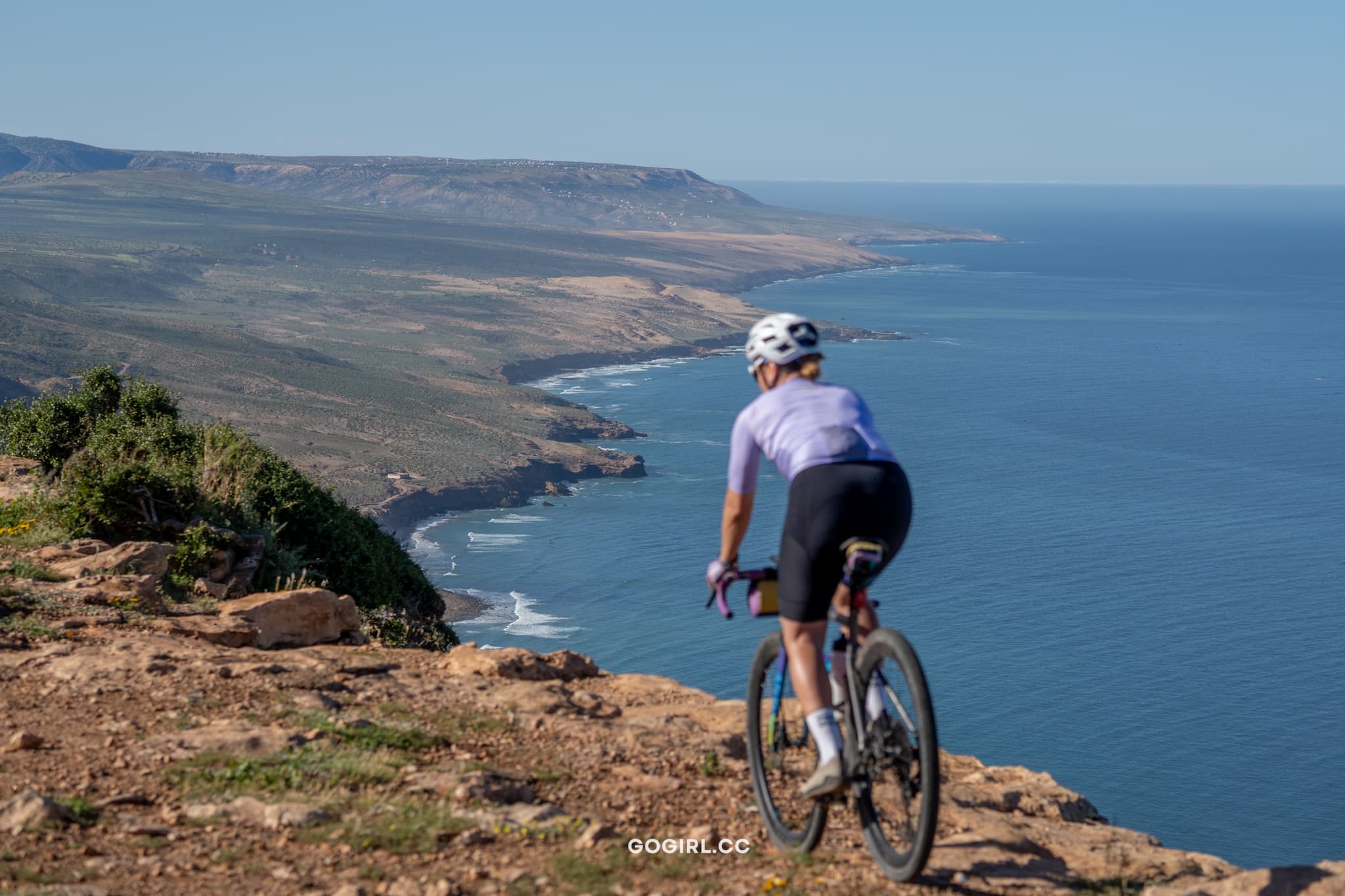

Gravel biking offers incredible freedom, allowing you to seamlessly transition from asphalt to forest trails. However, with this versatility comes the question: what type of front fork will be best for our ride? Below we explain the differences between a rigid carbon fork and a suspension fork, and help you choose the option that perfectly suits your cycling needs.
Rigid Carbon Fork – Speed and Lightness
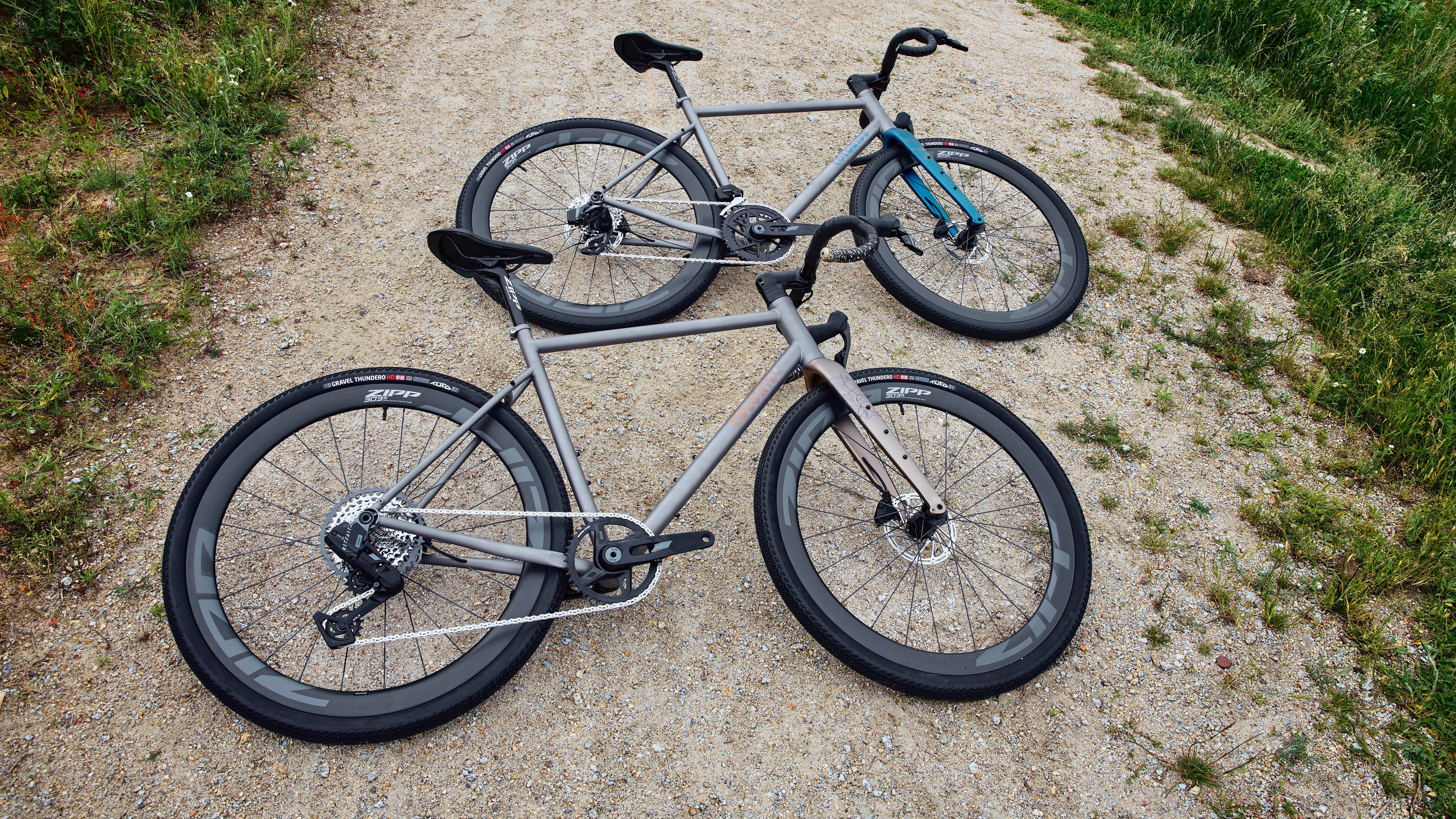
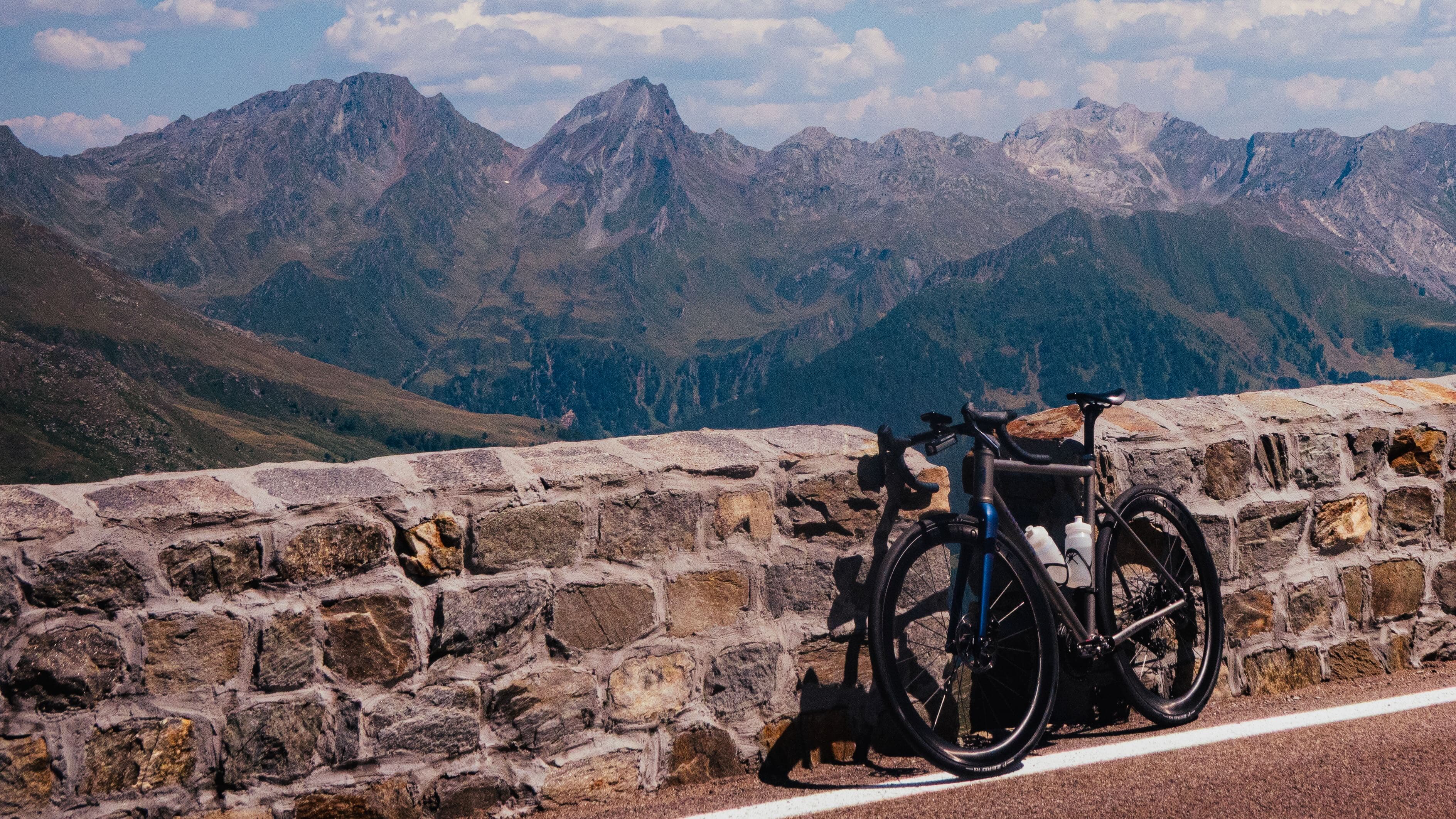
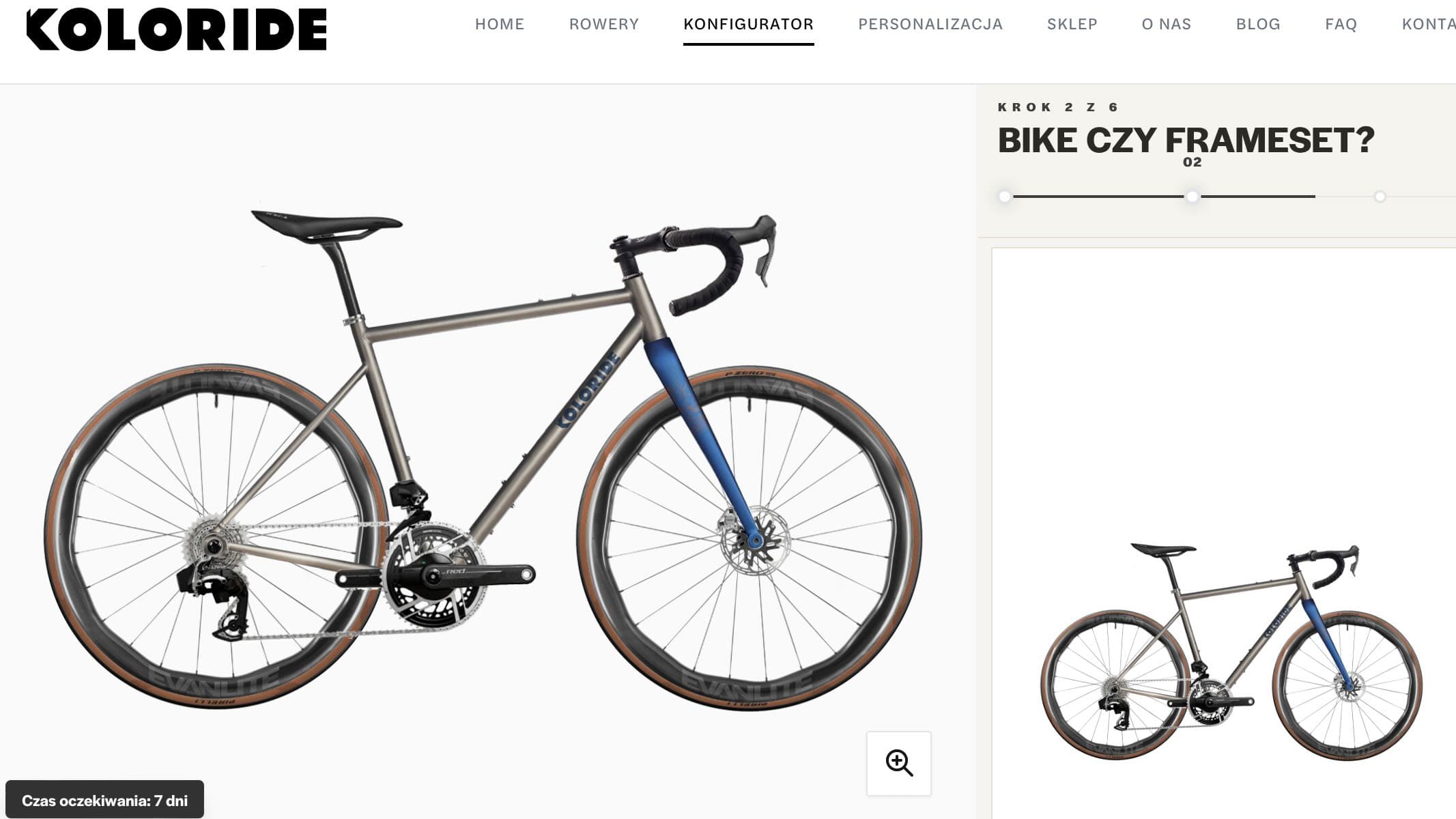
A classic choice in the gravel world. The rigid carbon fork is valued mainly for its low weight and excellent power transfer.
Advantages:
- Lightness: Carbon forks are significantly lighter than suspension forks, which makes the whole bike more responsive and easier to accelerate.
- Efficiency: Without energy loss during suspension compression, every watt put into pedaling goes directly into speed. Great on asphalt and smooth gravel.
- Simplicity: No moving parts means no maintenance and no risk of failure.
Who is it for?
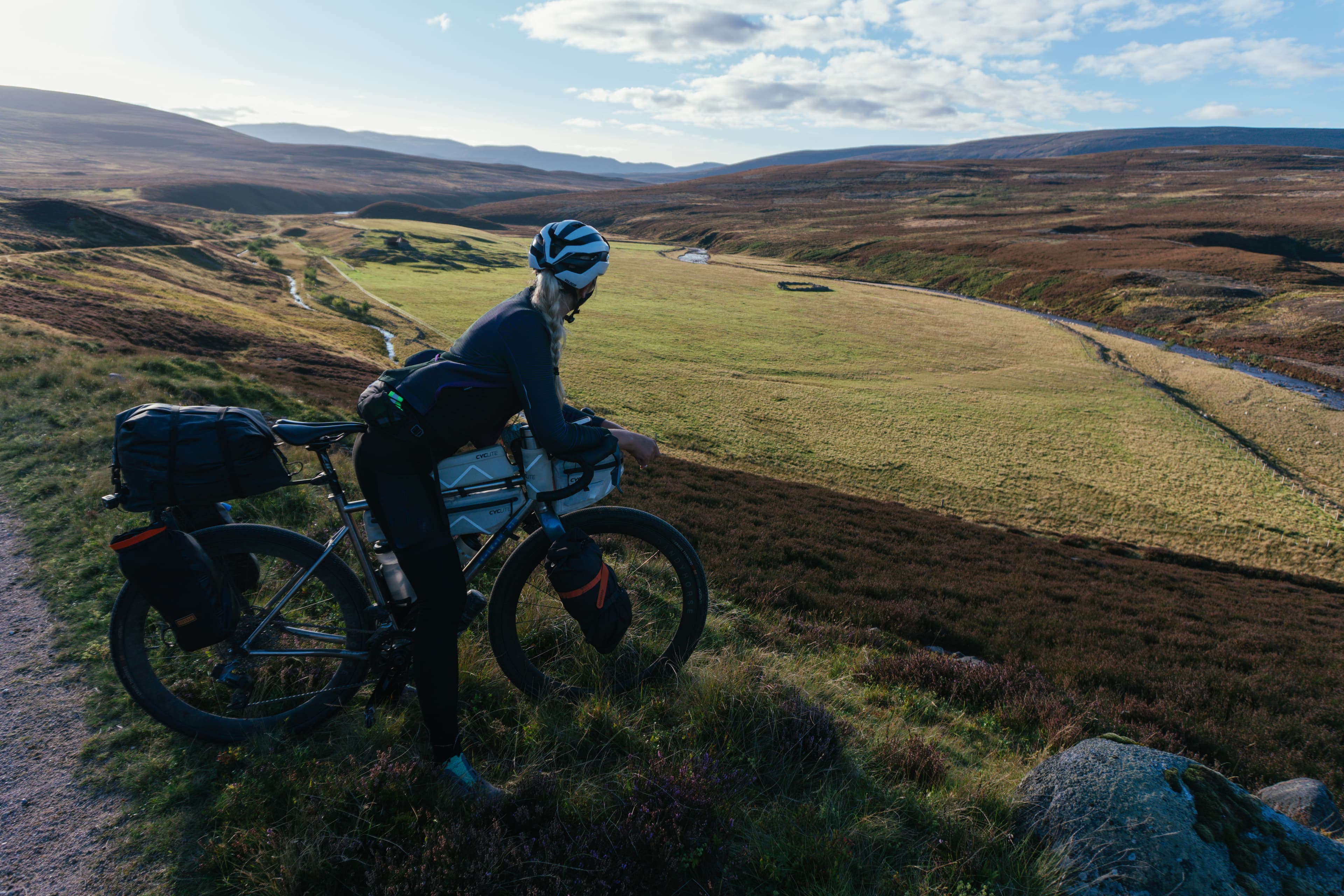
Perfect for riders focusing on speed, bikepackers who need attachment points for bags (Koloride forks have standard mounts), and those riding mainly on mixed surfaces without extreme bumps.
Suspension Fork (e.g., RockShox Rudy) – Comfort and Control
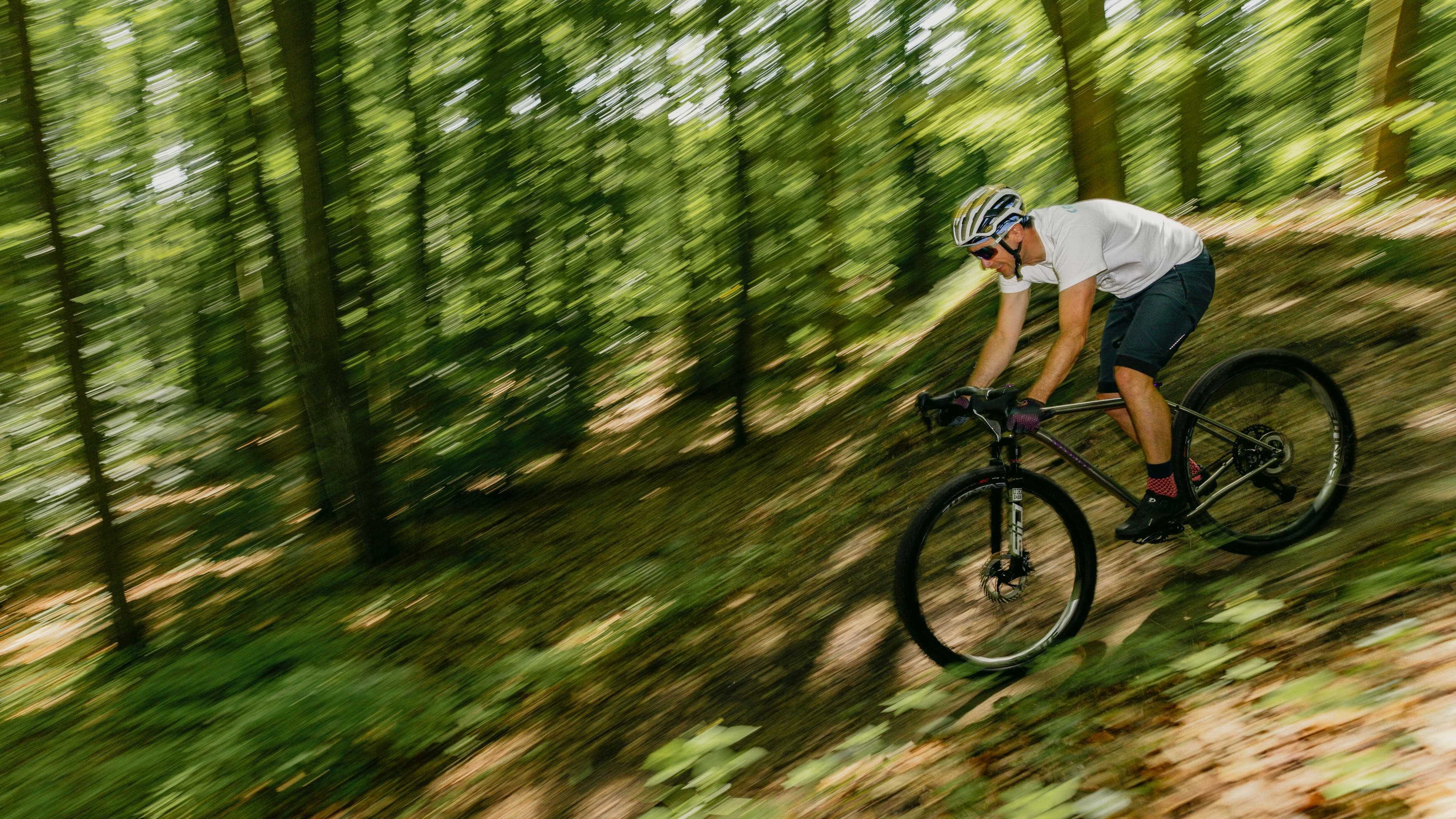
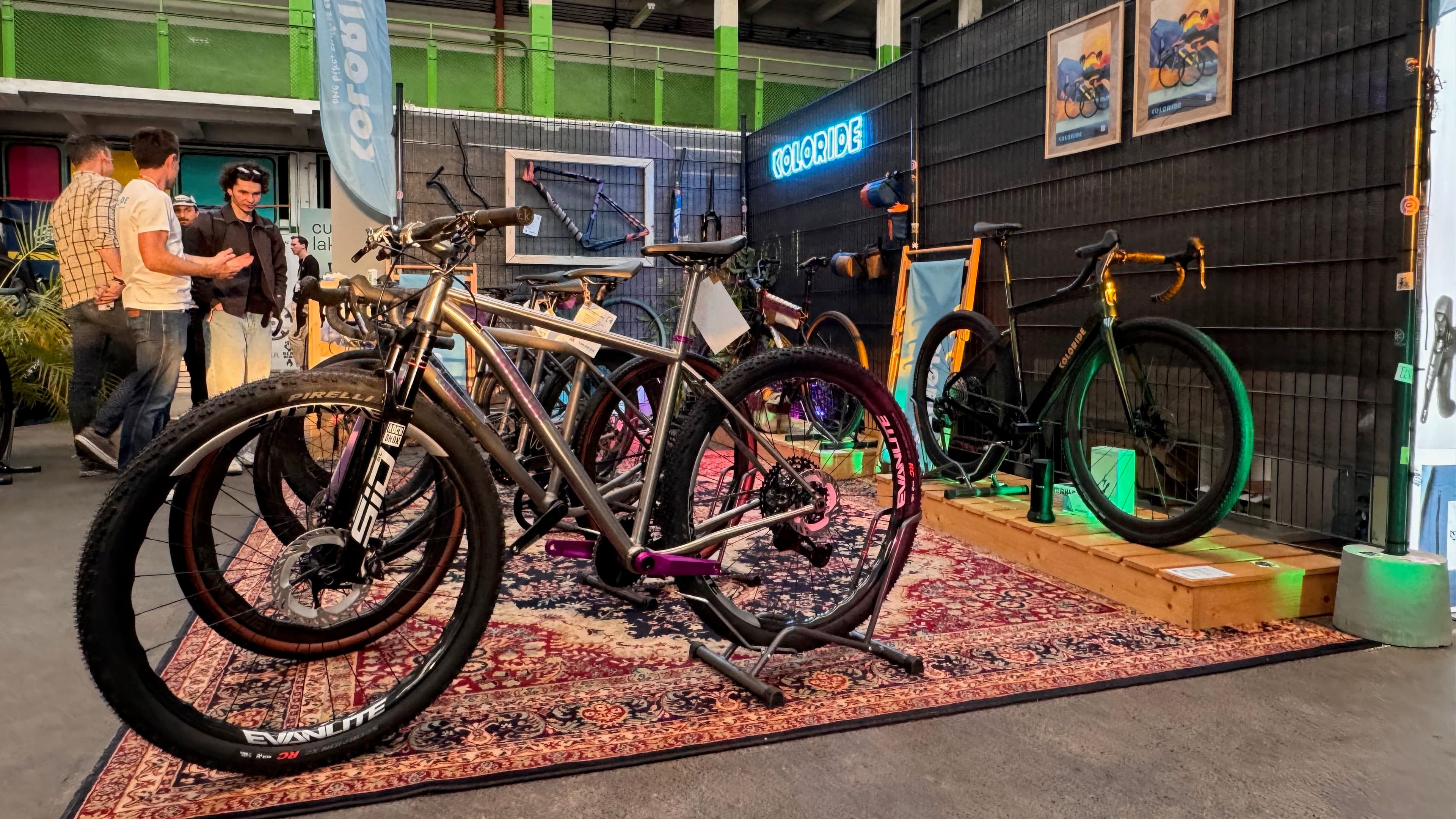
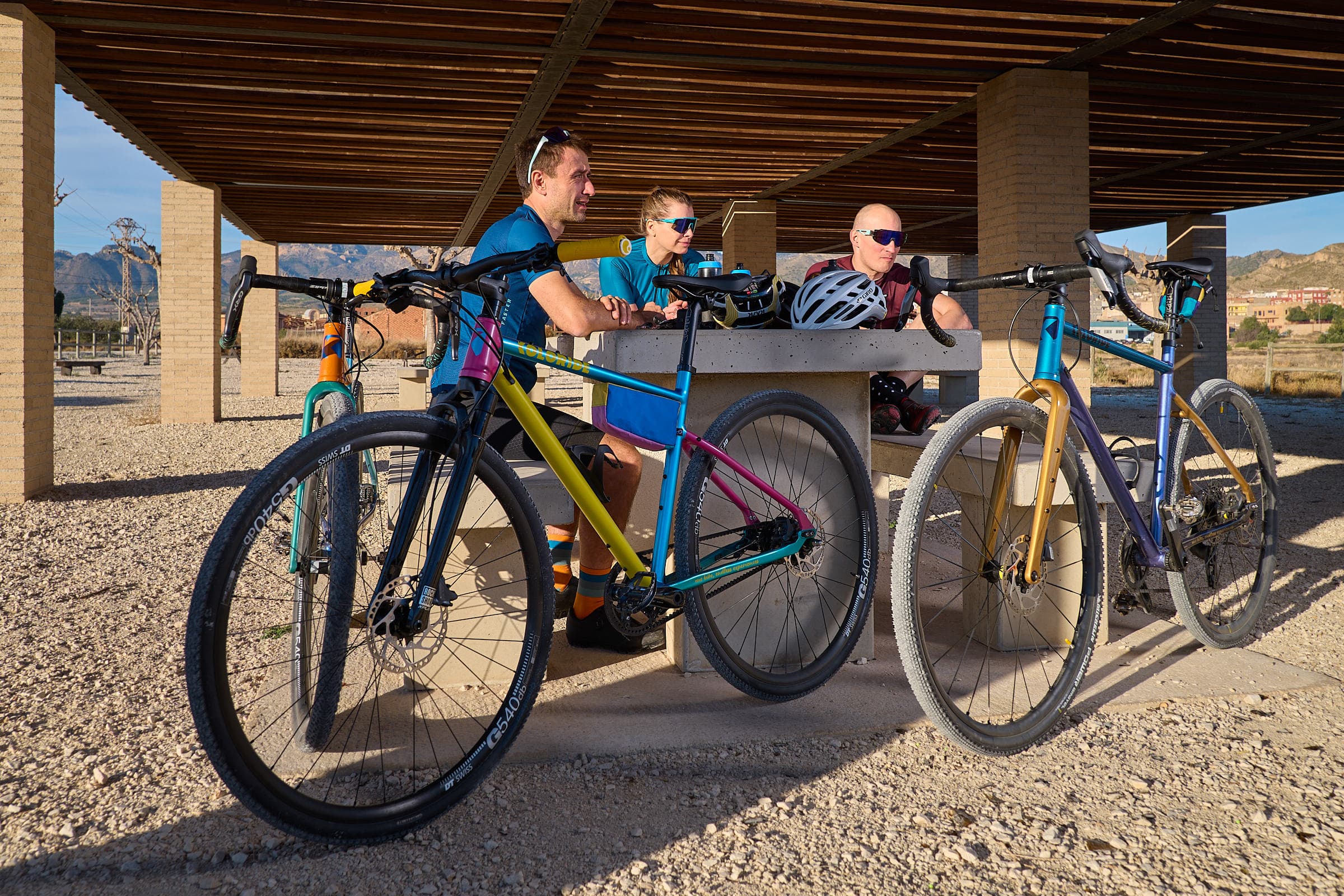
A suspension fork in a gravel bike is a relatively new but dynamically growing trend. It offers 30-40mm of travel, changing fundamentally how the bike behaves on roots and stones.
Advantages:
- Comfort: It perfectly dampens vibrations from uneven surfaces, significantly reducing hand and shoulder fatigue during long, off-road climbs and descents.
- Control: The front wheel keeps better contact with the ground, providing more grip and confidence on technical, rocky trails.
- Versatility: It allows you to enter terrain that would normally be reserved for cross-country mountain bikes.
Who is it for?
For people who treat their gravel bike as an expedition machine over difficult terrain, value maximum comfort on long distances, and often ride on potholed, root-filled forest paths.
Summary
The choice between a rigid and a suspension fork comes down to a compromise between weight and speed vs. comfort and off-road control. In the Koloride configurator, you can adjust the bike exactly to the conditions in which you ride the most. The choice is yours!