
When choosing bicycle tires, it is worth first answering the question: where do you ride most often and in what weather conditions. A different tread will work on smooth asphalt, and another on gravel paths or muddy routes.
Asphalt tires - fast and easy driving
For driving on even, dry surfaces, .
is best
Thanks to them, they ensure smooth, dynamic driving and better acceleration.
It is worth using proven models, such as:
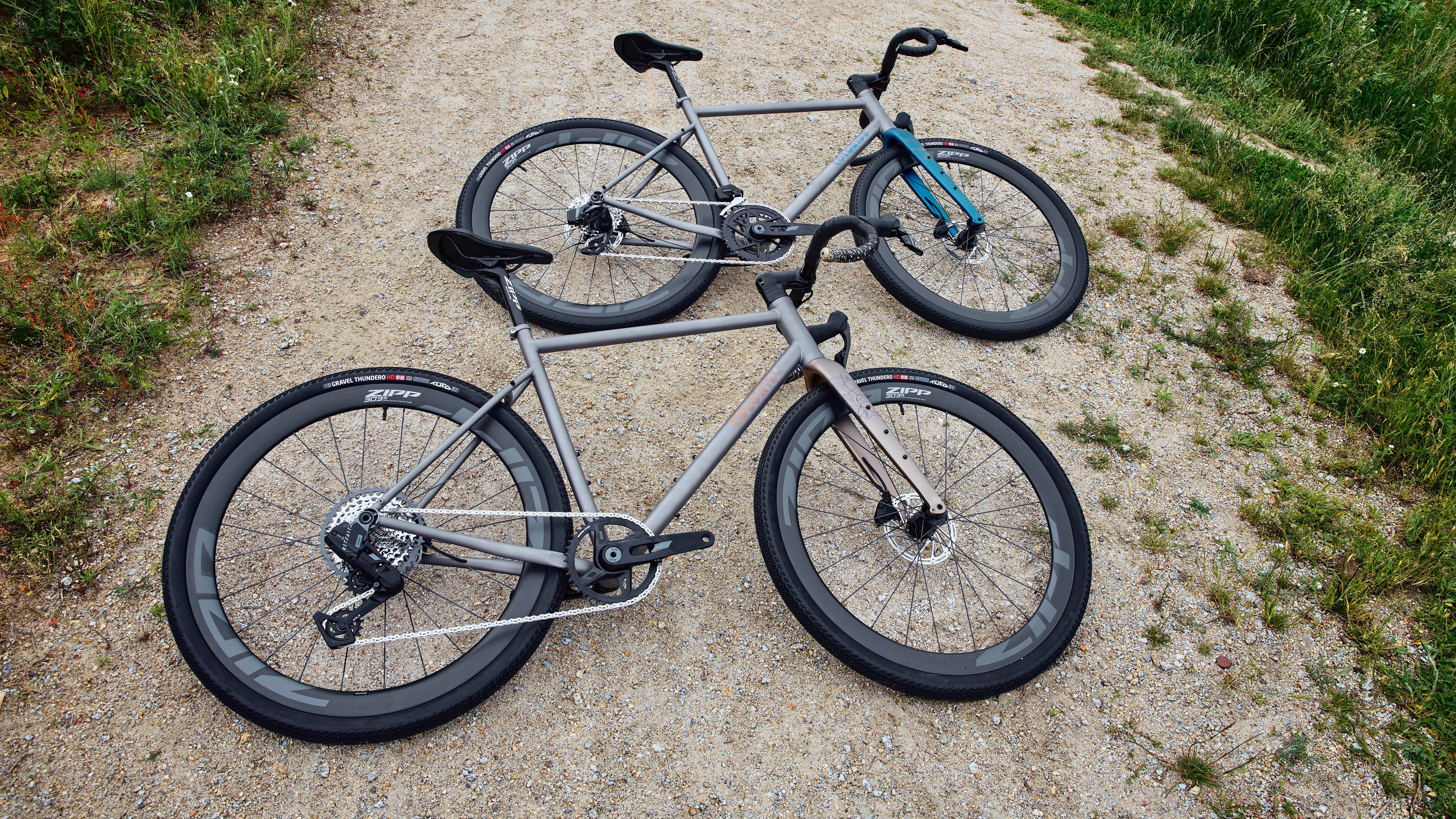
???? It is worth considering having two sets of wheels - with different tires.
This is an increasingly popular solution in gravel and all-road bikes, which allows you to quickly adjust the equipment to the conditions and riding style.
You can prepare one wheel forfast, asphalt routes, and the other - with a more aggressive tread - forterrain and worse expensive.
This approach often turns out to bemore practical and cheaper in the long run than frequent tire changes, and at the same time saves time and equipment.
For worse roads and wet surfaces - choose semi-slicks
If you come across .
often, select .
Their central part is smooth, while the sides have a distinct tread that improves grip on wet roads.
m.in will work well.:
It's an ideal choice for those who travel most of their routes on asphalt, but sometimes like to stray onto less paved roads.
Universal tires – for asphalt and light terrain
If you are looking for a bike that performs well both on asphalt and on light gravel, choose models with .
They can be fine and even, as in , or more sparse and directional, as in .
Such tires provide and, so they are perfect for everyday driving on variable surfaces.


For mud and demanding terrain - aggressive tread is essential
If your natural driving environment is , choose tires with .
They clean mud well and ensure driving confidence in unpredictable conditions.
Recommended models:
These are the perfect tires for when grip is crucial.
Tire width – not always "the wider the better"
Although it is said that "", it is not always true.
On smooth asphalt, the tires above may increase rolling resistance.
In turn, on loose surfaces, they will provide more comfort and stability - and sometimes even greater speed, because they better absorb unevenness.
Tire pressure – the key to comfort
Driving comfort is not only the choice of tire, but also .
Lower pressure means greater tire flexibility and better vibration damping.
Thanks to the system, you can give up inner tubes and use . This allows you to lower pressure, increase traction and improve comfort - without losing driving efficiency.
Adjust the number of bars to , and you will get the perfect combination.
We could talk about tires forever...
There is no one perfect tire for all conditions.
When choosing tires, pay attention to .
Well-selected tires will not only improve driving comfort, but also increase safety and pleasure on each route.
See you on the bike!