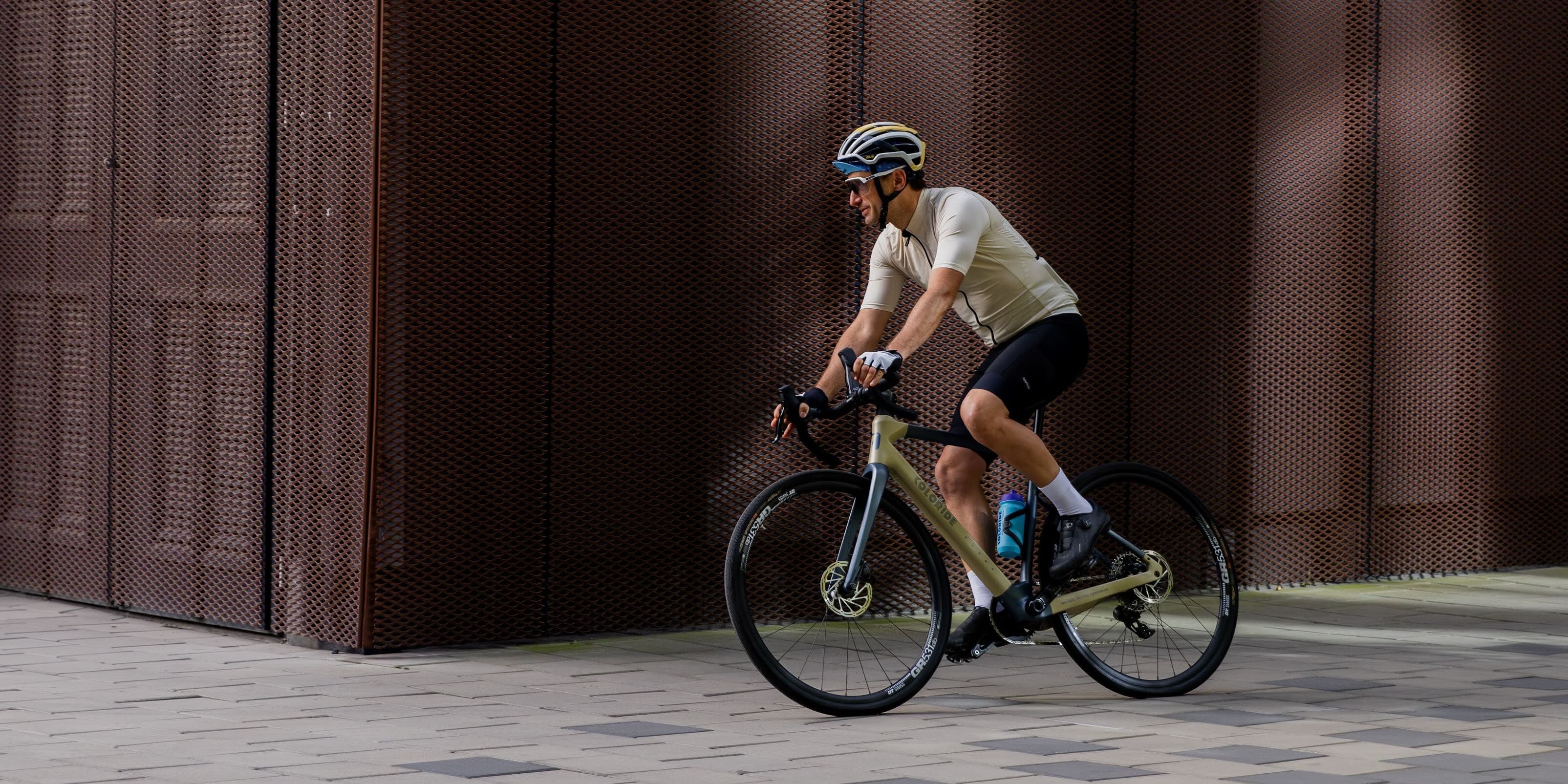
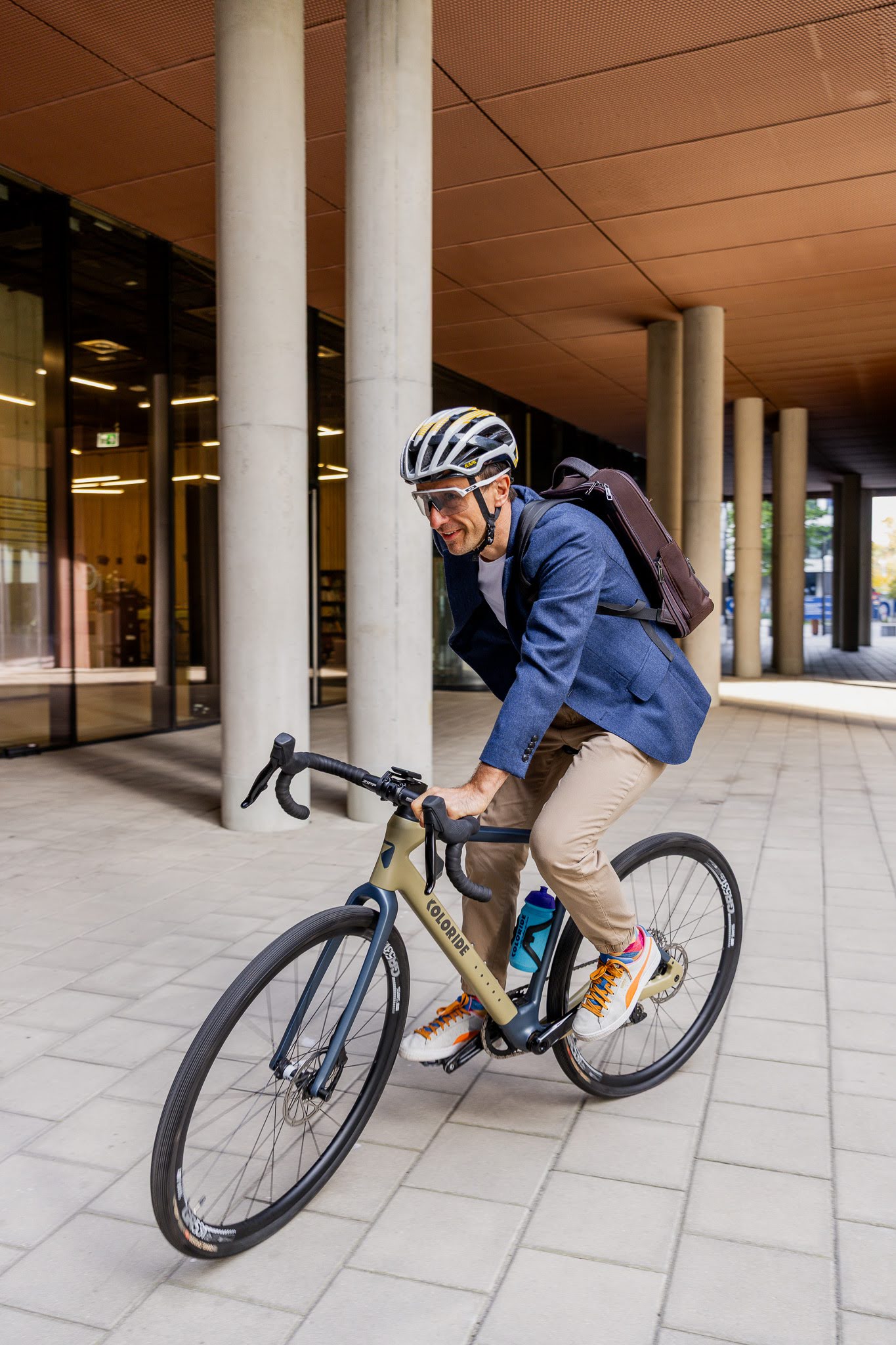
E-gravel or classic gravel? The difference seems obvious: one has electric assist, the other doesn’t. In practice, however, the choice isn’t simply a matter of asking, “Do you need electric assist?”
An e-gravel bike can let you ride farther, tackle steeper climbs, keep up with a stronger group, or simply pace yourself differently on the route. And it doesn’t have to be a choice exclusively for those who are less fit. On the other hand—if a classic gravel bike doesn’t limit your riding in any way, your commute to work isn’t tiring, and adding a motor and battery isn’t a necessity.
That’s why I’d start with a different question: what will the electric assist actually change about my riding?
Who actually chooses an e-gravel bike?
In conversations with customers, I see a few recurring scenarios. The first involves people who have been cycling for many years and still want to cover long distances, travel, and tackle significant elevation gains, but feel that as they age, they’re starting to lack a bit of strength. They don’t need a bike that will do the work for them. They need support during those few moments that start to hold up the entire ride.
The second group consists of people who want to ride with their partner or friends, but differences in fitness levels make riding together uncomfortable. One person is constantly waiting, while the other is constantly trying to keep up. An e-gravel bike can bridge that gap very effectively.
There are also people who use e-gravel bikes for their daily commute to work—without sweat or tears :)—and then set out on longer rides with the same bike on the weekends. So, electric
assistance doesn’t define a single type of user. What’s more important is the reason why we want to use it.
When would I choose a classic gravel bike?
If you can easily ride over 100 km on varied terrain, handle climbs well, and find that the effort itself is part of what you’re looking for in cycling, then I’d choose a classic gravel bike for training, group rides, or athletic outings. That distance is already a good test of your fitness and experience. If you can cover it with ease, you probably don’t need electric assist to achieve most of your cycling goals.
A classic gravel bike will also be lighter and simpler in design. You don’t have to charge a battery, worry about range, or carry an extra charger. The lower weight matters not only while riding but also when carrying the bike, taking it up stairs, or transporting it.
However, I wouldn’t treat the 100 km as a test to determine whether “you can or cannot have an e-bike.” For all kinds of activities, an e-gravel bike can still be a great option, even for someone in excellent physical condition. It can let you ride farther, tackle steeper climbs, or pace yourself differently throughout a full day on the bike.
If a classic gravel bike doesn’t limit you in any way, I’d choose a bike without electric assist. If electric assist opens up new possibilities for you—I’d start thinking about an e-gravel bike.
When does an e-gravel bike really make sense?
Imagine that your partner easily completes a route that you simply don’t have the strength for yet. You want to ride together, see the same places, and spend the day on your bikes together. An e-gravel bike helps bridge the fitness gap without taking away from the riding experience for either of you.
The same can be true when riding with a stronger group of friends, or when you still want to explore new places but an injury, age, or overall fitness are starting to limit the distance and elevation gain you can handle. The motor can also help you get back into cycling when physical limitations allow you to ride but not to exert yourself too much.
In none of these cases does the motor need to run the entire time. And that’s one of the most important things to understand before your first ride on a lightweight e-gravel bike.
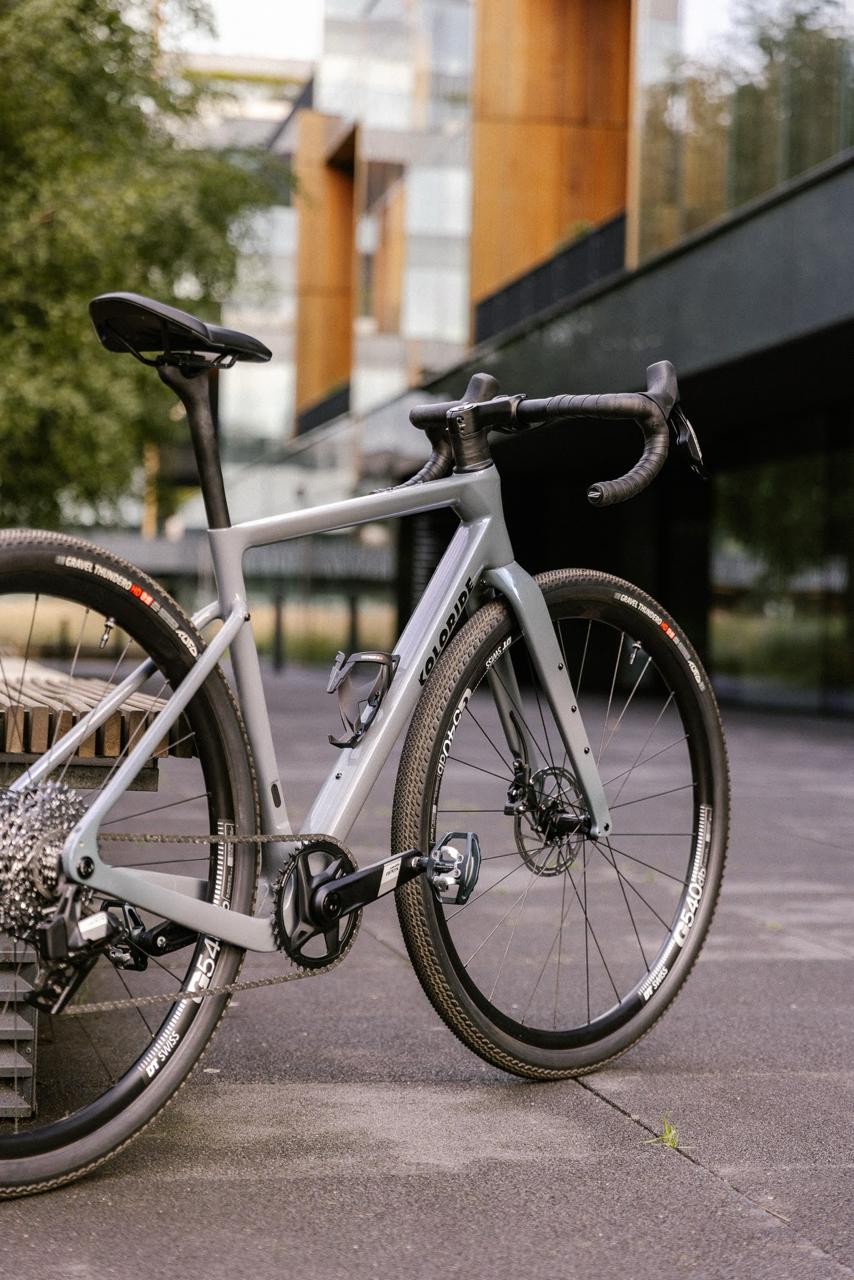
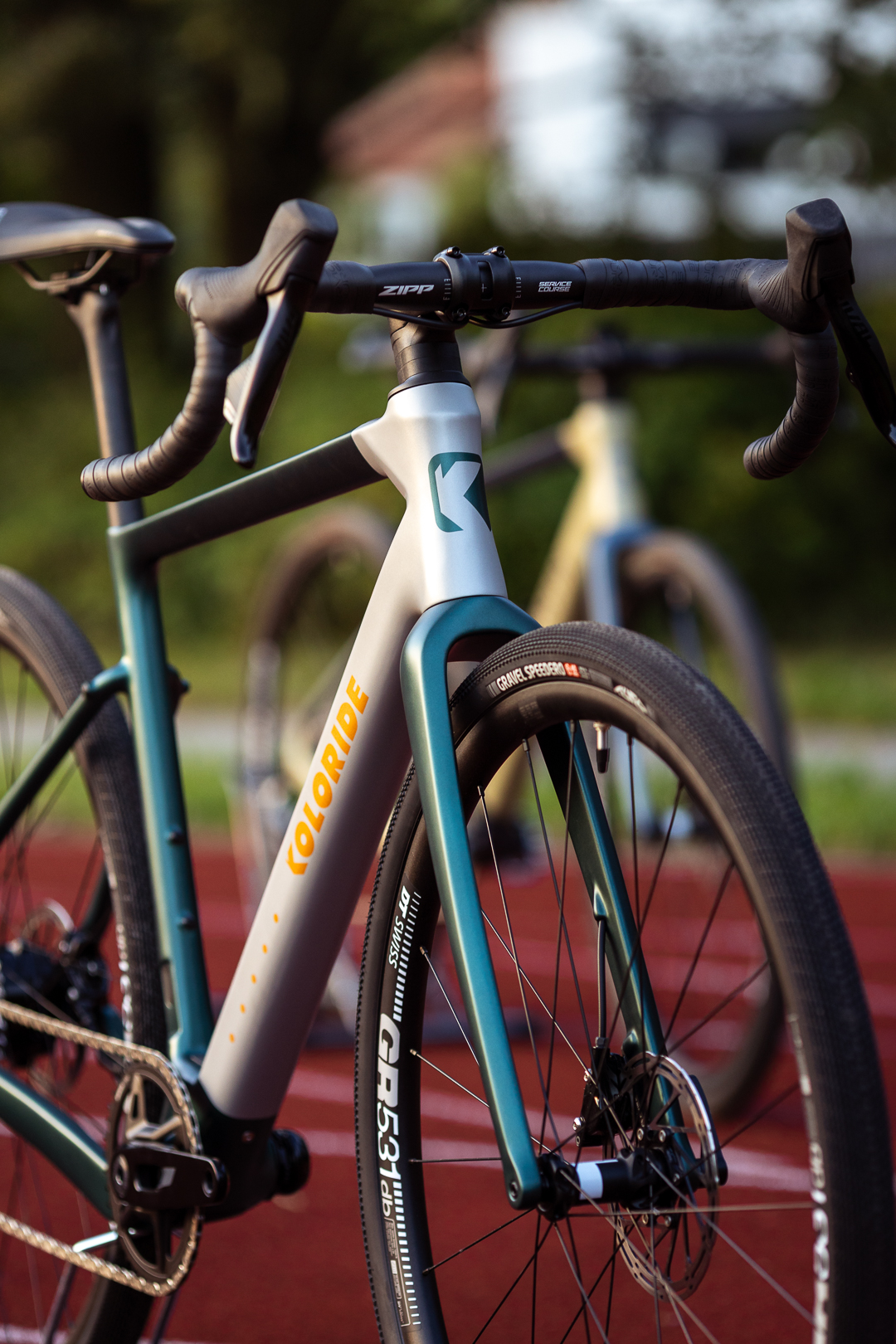
How does a lightweight e-gravel bike actually ride?
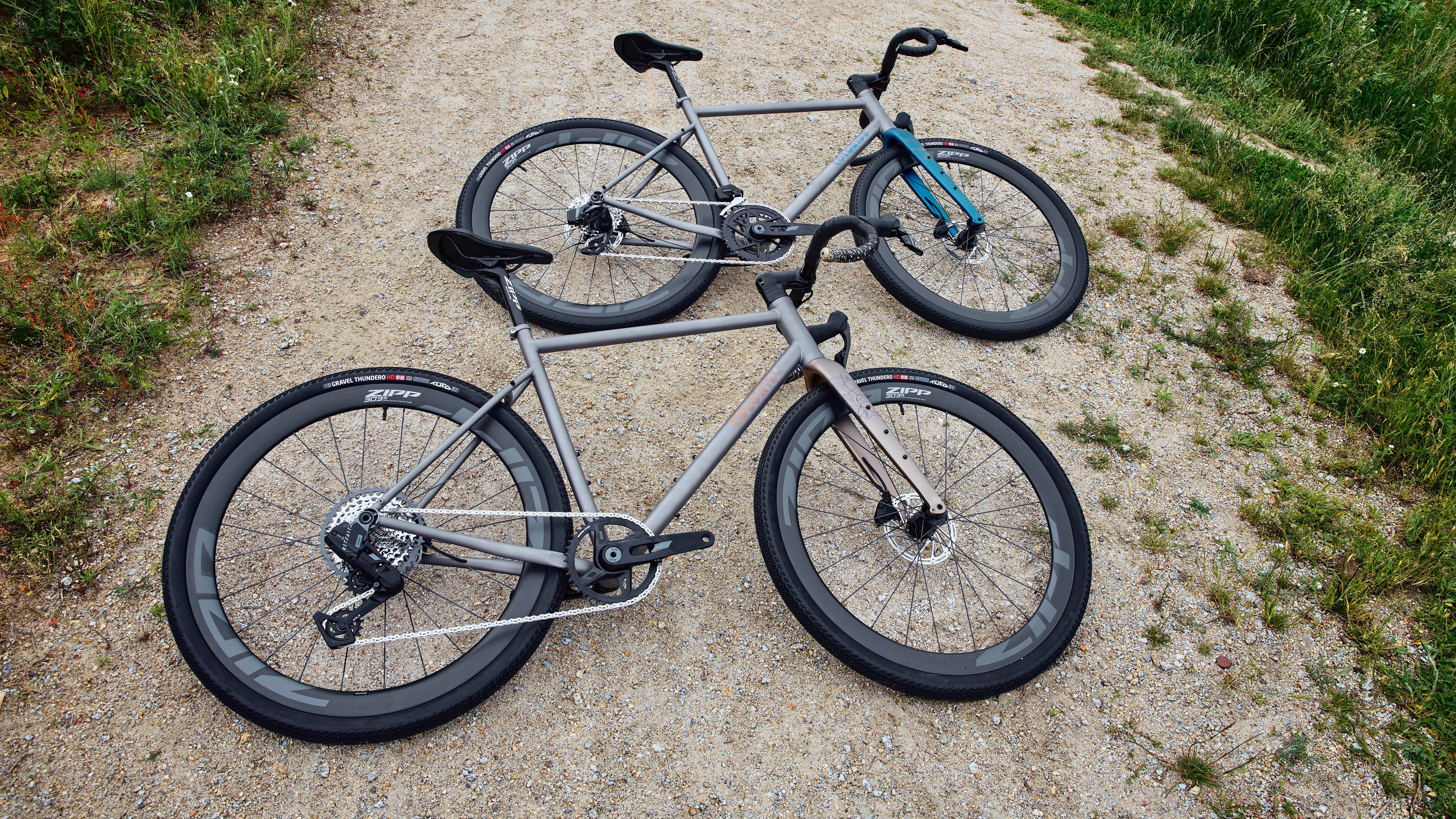
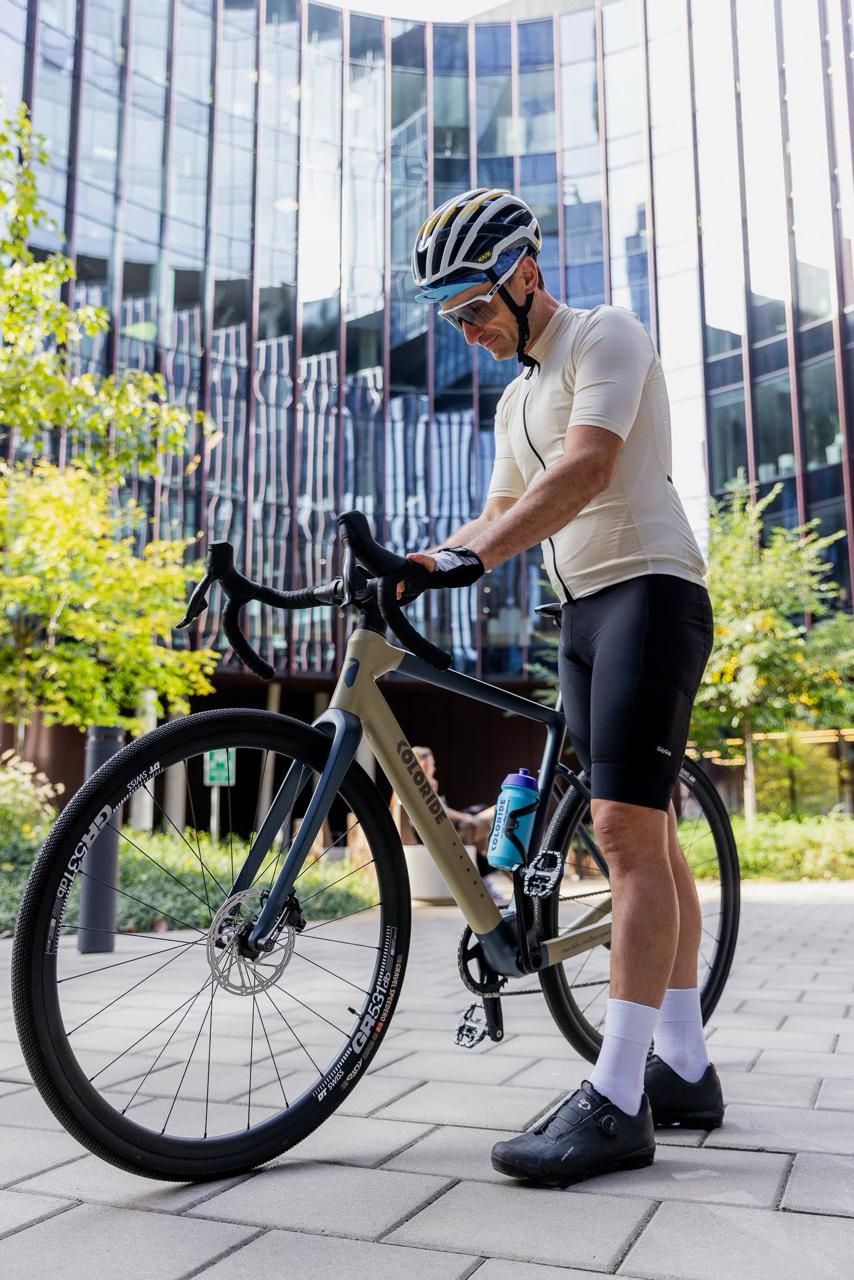
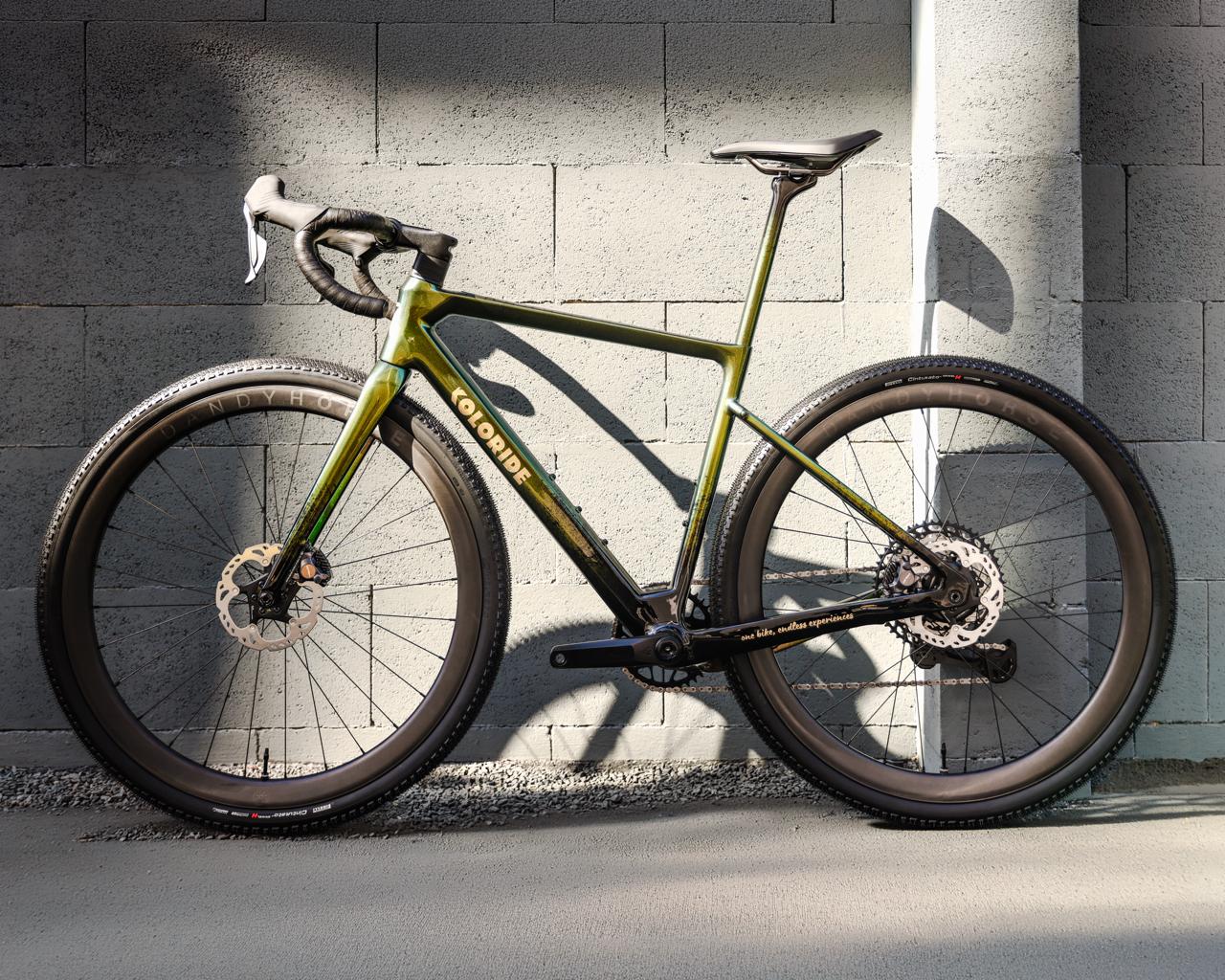
In the e-KOLO CF, we use the MAHLE X20 system. We wanted to make sure that the motor and battery didn’t turn the bike into a heavy e-bike. It’s still meant to be a gravel bike—dynamic, agile, and fun to ride even when the assist is turned off.
When riding the e-KOLO without assistance turned on, I basically don’t feel much difference compared to a classic bike. There’s no noticeable resistance from the motor, and thanks to its low weight, the bike still accelerates eagerly and handles easily.
When I turn on the assistance, it just feels lighter. However, I’m still the one pedaling, and my own effort determines how much support the system provides.
Of course, you feel this most on uphills. The extra power immediately helps you climb the hill. The second place where I really appreciate it is on sand and in muddy terrain. In places where it’s easy to lose momentum without assistance, the extra power helps me get over obstacles without stopping.
An e-gravel bike doesn’t have to weigh 20 kilograms
This is one of the stereotypes about electric bikes. Of course, an e-gravel bike will be heavier than a comparable gravel bike without a motor—you have to account for the battery, motor, and electronics. However, this doesn’t necessarily mean it will weigh a dozen or so extra kilograms.
Our e-KOLO CF with the MAHLE X20 system weighs, depending on the configuration, about 11.4–12.0 kg in size M.
This weight matters not only when carrying the bike; it’s also very important when riding without assistance. When designing the e-KOLO, our goal was precisely to ensure that the battery and motor didn’t make the bike feel heavy, and that it still handled like a lightweight gravel bike.
What happens once you exceed 25 km/h?
This is especially important for riders switching from a classic gravel bike or road bike, because 25 km/h isn’t exactly a high speed on flat terrain.
Once you exceed 25 km/h, the assist stops working and you continue riding under your own power. At first, you might feel what I call a “power dip” :). One moment you were riding with assistance, and suddenly you have to generate all the power needed to maintain your speed on your own.
This doesn’t mean, however, that the bike suddenly starts to offer a lot of resistance. It’s more that we feel the transition between light pedaling with assistance and riding solely under our own power. The display shows the battery level, so it’s easy to prepare for this. After a few rides, we also start to anticipate when the assist will cut out, and it ceases to be particularly noticeable.
And this is where the low weight of a lightweight e-gravel bike makes a huge difference. On a heavy e-bike, once the assist cuts out, you’re primarily fighting against the weight of the entire bike. On the e-KOLO, you simply keep riding.
What is the actual range of an e-gravel bike?
There’s no single, straightforward answer to the question, “How many kilometers can I ride on a single charge?” It all depends on where and how you ride.
The level of assistance, the number and length of climbs, the rider’s weight, the road surface, the temperature, and how much effort you put in can all significantly affect the result. If you use the motor mainly when you actually need it, you’ll ride much farther than if you ride continuously at the highest assistance level.
At e-KOLO, we use the iX250 battery with a capacity of 236 Wh. Based on our experience on flat routes, when using the assist sparingly, the main battery alone can last for a distance of up to about 100 km.
In the mountains, the situation is completely different. Long climbs consume a lot of energy, and the actual range can drop to about 40–50 km. The same applies if you use high-level pedal assist for most of the ride and put little effort into pedaling yourself. That’s
why I would always treat the ranges claimed by manufacturers as a reference point rather than a promise of a specific number of kilometers.
Range Extender—Extra Kilometers When You Need Them
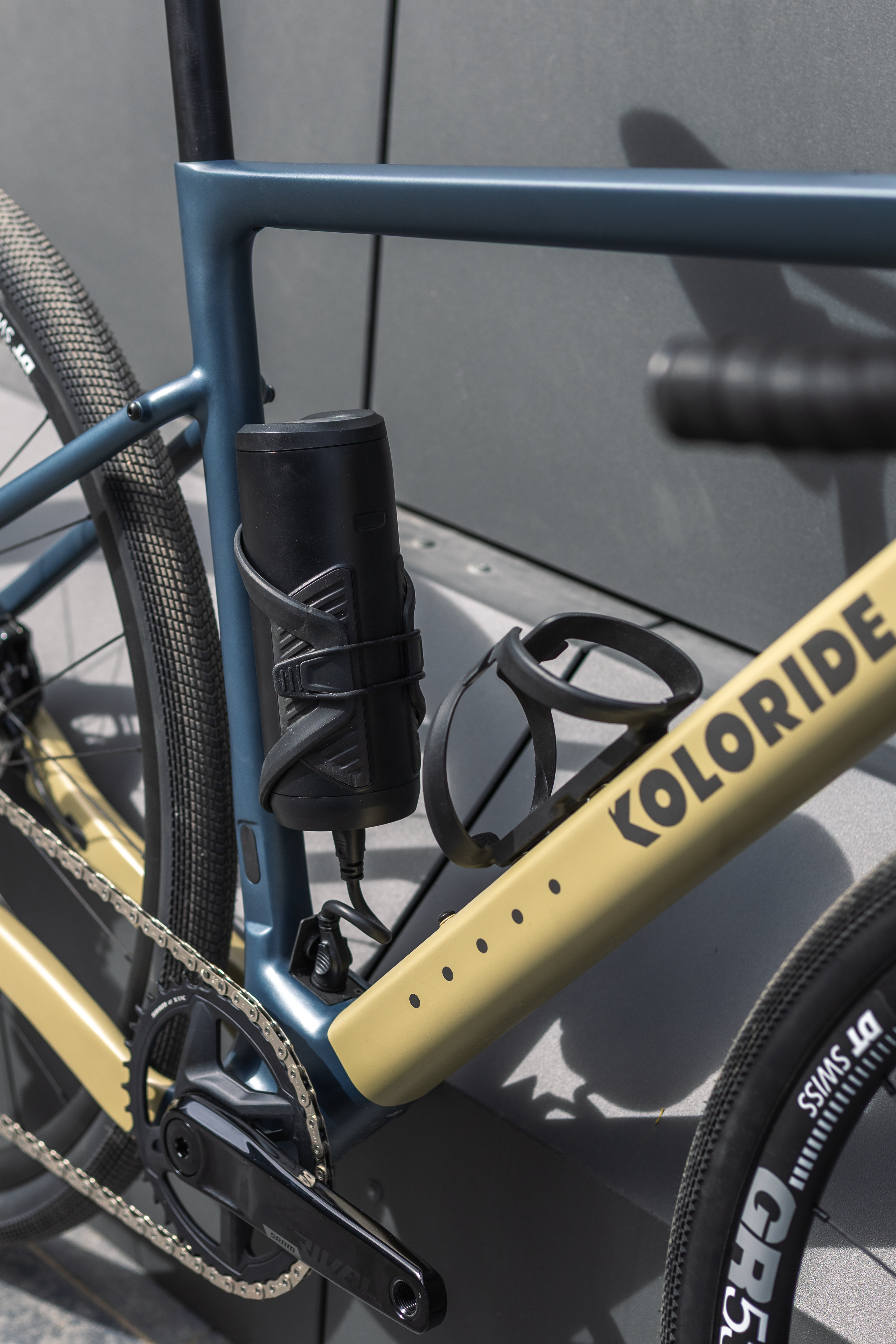
The MAHLE X20 system can be supplemented with the e185 Range Extender, which has a capacity of 171 Wh. Combined with the main iX250 battery, this provides approximately 77% additional capacity. According to MAHLE’s data, under optimal conditions, this can translate to approximately 60 additional kilometers.
In practice, it’s more realistic to expect about 30–50 additional kilometers, depending on elevation changes, road surface, assist level, and the amount of effort the rider puts in.
And this is exactly the kind of solution that suits me very well. You don’t need a large battery for everyday use, and you don’t have to carry its extra weight on every ride. You ride a lightweight bike with a 236 Wh battery, and when you’re planning a longer or more demanding day, you take the Range Extender with you.
There’s another practical advantage: you can remove the extra battery from the bike and charge it separately. If you stop for coffee or lunch, you take it with you and recharge it during your break—kind of like a phone. You don’t have to wheel the whole bike to an outlet.
For me, that’s exactly what a lightweight e-gravel bike is all about: not carrying a battery larger than I actually need on a daily basis, and taking the extra range with me when I know I might need it.
What if the battery runs out?
That’s one of the most important questions to ask before buying an e-gravel bike. And it’s also one of the things that most distinguishes a lightweight e-gravel bike from a heavy e-bike.
If the battery runs out on an e-KOLO, you can simply keep riding. The bike is light enough, and the system’s resistance is low enough, that without assistance it handles very similarly to a regular bike. Of course, it won’t be as light as a comparable non-motorized gravel bike, but a dead battery doesn’t mean you have to find a way home.
For me, this is one of the most important features of a lightweight system. The motor is meant to assist with riding, not to be a prerequisite for the bike to ride well at all.
E-gravel or classic gravel—how do you decide?
I wouldn’t buy an e-gravel bike just because “it’ll be easier on an electric bike.” Nor would I rule it out just because “it doesn’t count on an electric bike.” Those are two very weak arguments :)
Instead, consider whether the motor will open up riding opportunities that you don’t currently pursue—or pursue much less frequently. Will it allow you to ride with a partner on a route you normally wouldn’t attempt? Will you tackle steeper climbs? Will you return to long rides? Will you be able to ride with a stronger group? Or maybe you’ll simply choose your bike over your car more often?
If I feel that I have enough strength even for tougher climbs and long distances, I’d choose a classic gravel bike for training and competitive riding. And one more thing—if you’re not in shape today but want to work on it, you can build it up. A lack of fitness in and of itself doesn’t mean you necessarily need an e-bike.
However, if I start running out of energy, get injured, or simply view biking as just one of my activities rather than a sport around which I plan my entire week —but I still want to explore, ride with friends, and keep up with the group—I’d start seriously considering an e-gravel bike.
Cheers!
Sebastian Golczak | Koloride Cycling
Koloride's FAQ
Can you ride an e-gravel bike without pedal assist?
Yes. On a lightweight e-gravel bike like the e-KOLO CF, you can turn off the motor assistance and continue riding normally. The bike’s low weight and the system’s minimal resistance mean you aren’t dependent on the motor.
What happens when you exceed 25 km/h?
The pedal assist stops working, and from that point on, you generate all the power needed to ride on your own. At first, you may notice the change, but once you get used to it, the moment the assist disengages feels natural.
What is the range of the e-gravel bike?
There’s no single figure that applies to every route. In our experience, the e-KOLO with a 236 Wh battery can reach up to about 100 km on flat routes when using the assist sparingly. In the mountains or with intensive use of the assist, the range may drop to about 40–50 km.
How much range does the Range Extender provide?
The MAHLE e185 Range Extender has a capacity of 171 Wh and increases the capacity of the iX250 battery pack by about 77%. According to MAHLE’s specifications, it provides about 60 additional kilometers under optimal conditions. Based on our experience, it’s more realistic to expect about 30–50 km, depending on the terrain and how you use the pedal assist.
Is e-gravel only for people who aren’t in great shape?
No. The assist can even out fitness differences within a group, increase distance and elevation gain, help you get back into cycling, or simply allow you to pace yourself differently on a long ride.
So the most important question isn’t “Do I need an e-bike?” but “What will the assist allow me to do on my bike that I can’t do today without it?”